
Natural rubber and TPE materials now represent a significant alternative to PVC, which still accounts for 38.9% of the global market. While high-performance options offer superior traction, selecting the wrong thickness can lead to persistent joint pain or compromised stability during standing poses. Finding a balance between cushioning and floor connection remains a frequent challenge for practitioners.
This article evaluates the best yoga mats based on density and grip to help you identify the ideal surface for your specific practice.
- Key Criteria for Selecting High-Performance Yoga Mats
- Retrospec Solana for Maximum Joint Cushioning
- BalanceForm GoYoga for Affordable Daily Practice
- Umineux TPE Mat with Integrated Alignment Lines
- Adidas Fitness Mat for Rubber-Based Durability
- Glymnis Non-Slip Mat for High-Traction Sessions
- Long-Term Maintenance and Replacement Indicators
Key Criteria for Selecting High-Performance Yoga Mats
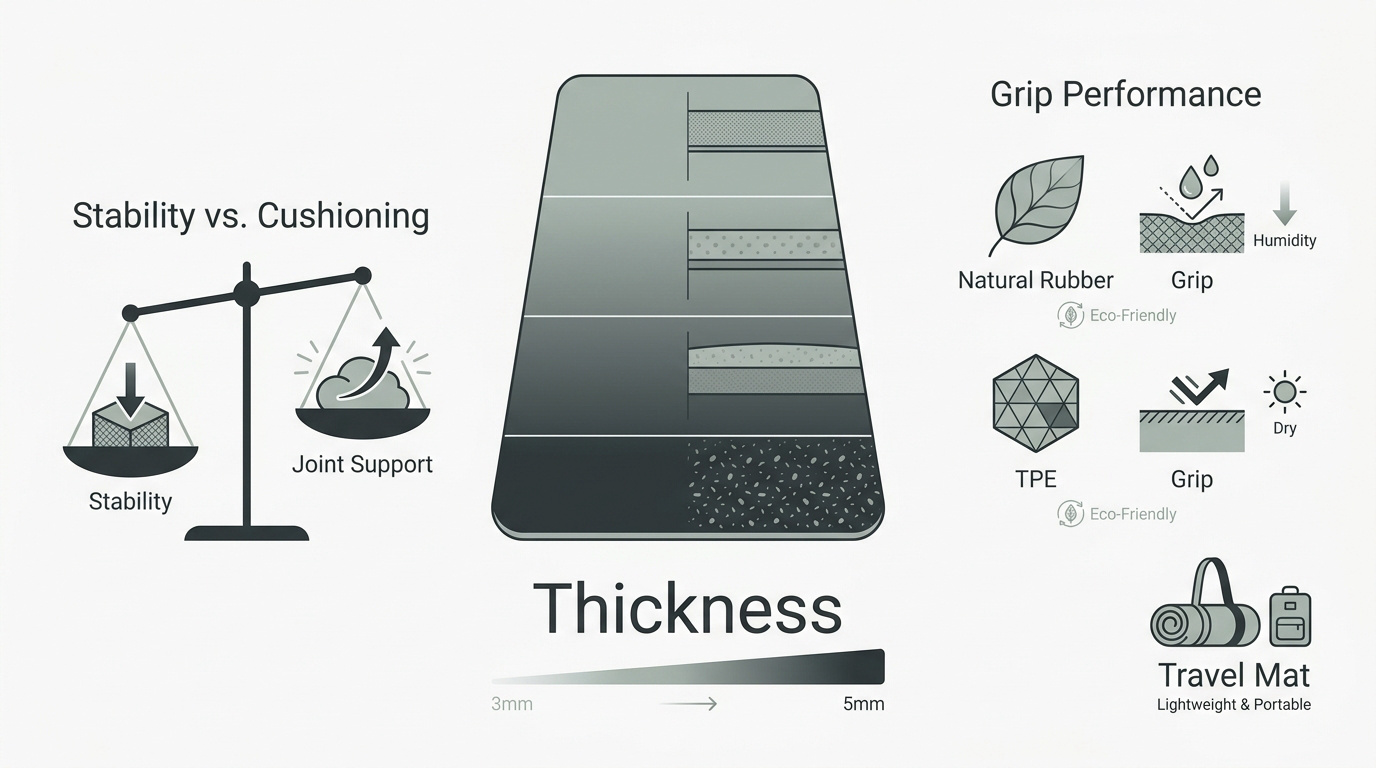
High-performance mats require a balance of 3-5mm thickness for stability and natural rubber or TPE for grip. While PVC dominates 38.9% of the market, eco-friendly materials offer superior traction during sweaty sessions.
This technical balance between comfort and floor connection directly influences how thickness impacts your joint support and overall balance.
- Gentle yoga/meditation: 6-10mm for joint comfort.
- Hot yoga/Vinyasa: 3-5mm for grip and stability.
- HIIT/Pilates: 7mm+ for shock absorption.
Impact of Thickness on Joint Stability
Choosing between 1/2-inch cushioning and thinner mats involves a trade-off. Excessive padding often creates a “marshmallow” effect. This makes standing poses difficult because the surface lacks necessary firmness.
Dense closed-cell foam differs significantly from lightweight travel alternatives. Experts suggest 3 to 5 mm is the sweet spot for most. High density protects bony prominences without sacrificing balance.
Travel mats usually sacrifice this cushion to ensure easy portability. This remains a vital choice for commuters. Thinner mats ultimately provide a much better ground connection during practice.
Material Selection and Grip Performance
Natural rubber and TPE offer distinct grip advantages in humid conditions. Natural rubber typically wins for hot yoga sessions. It provides a reliable surface even when things get quite sweaty.
High-performance mats like the Manduka PRO series require a specific break-in period. Some surfaces need salt scrubs to remove their initial film. Consistent use eventually ensures long-term, top-notch traction.
Environmental impact is another major factor in material selection. Natural rubber is both biodegradable and renewable, unlike synthetic options. You can find more market data at Grand View Research.
Retrospec Solana for Maximum Joint Cushioning
While technical specs matter, seeing how specific models perform in the wild helps narrow the search, starting with the thickest options.
The Retrospec Solana features an impressive 1-inch thickness designed for sensitive knees. This high-density foam provides a cloud-like feel while the ribbed surface helps with basic traction.
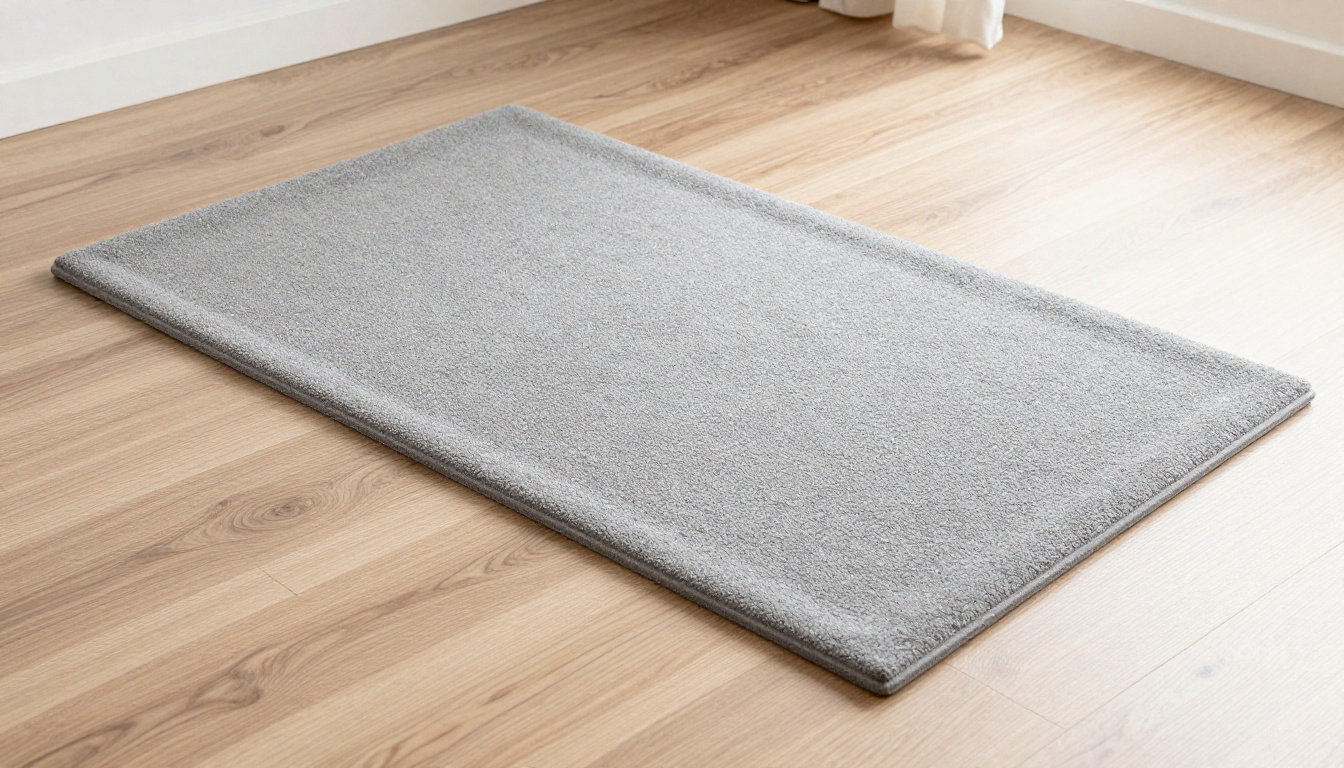
It is perfect for restorative yoga or Pilates, though less effective for advanced balance poses. The BPA-free material is easy to wipe down, ensuring a clean practice environment every time.
Portability remains a challenge due to its bulk, despite the included nylon strap. It is a solid choice for home use rather than a daily commute to the studio.
Choosing the right yoga mats can significantly aid recovery. You might also explore Yoga Postures for Diseases: Healing Through the Body to further your wellness journey.
BalanceForm GoYoga for Affordable Daily Practice
If the Solana is too specialized, many beginners look for a versatile all-rounder that won’t break the bank. The BalanceForm GoYoga mat serves as a budget-friendly entry point for new practitioners. It features double-sided non-slip surfaces to ensure stability. This design makes it safe for use on various floor types.
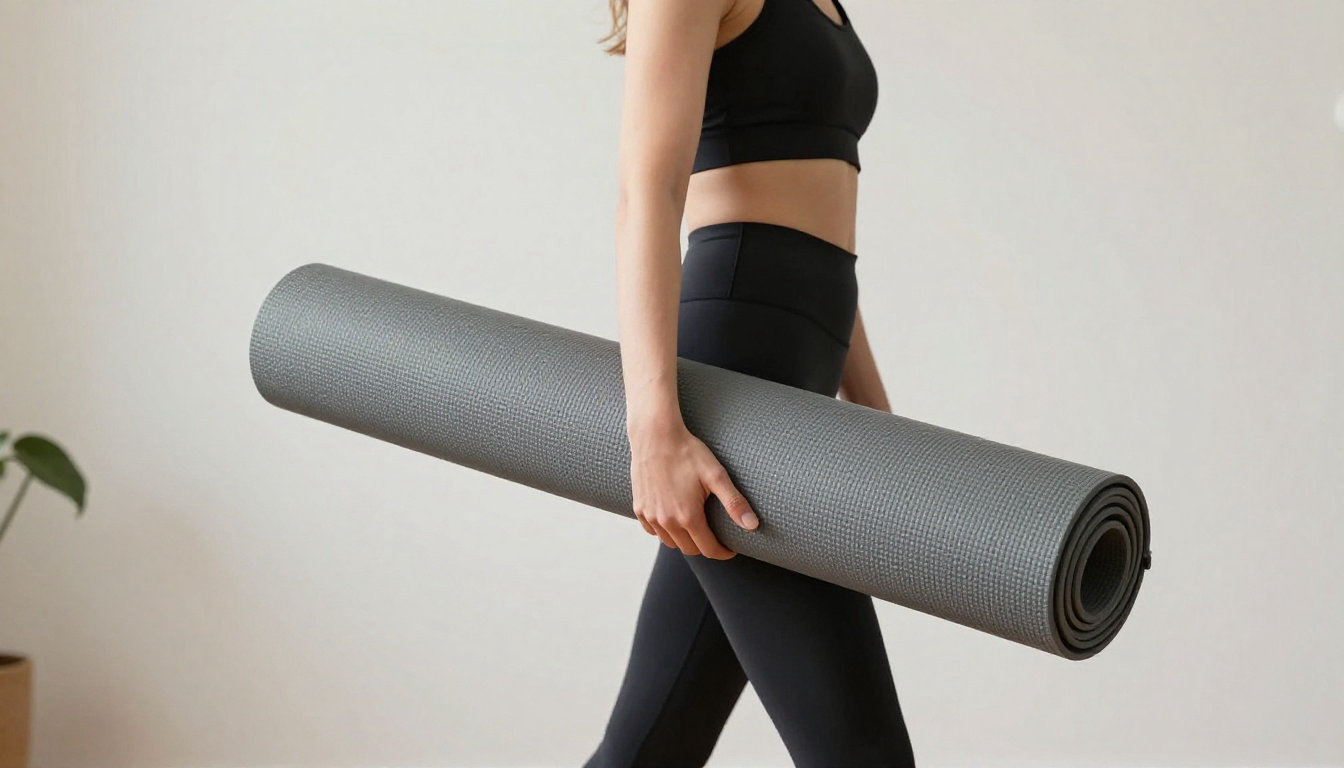
The 1/4-inch thickness effectively balances joint comfort and necessary stability. It is lightweight, weighing very little, and includes a functional carrying strap. Most beginners find this level of support sufficient for daily routines.
- Available in 7 colors
- Moisture-resistant technology
- Easy-to-clean surface
- High-density foam
Using the right equipment helps when Mastering the vakrasana pose for spinal health. Quality yoga mats provide the foundation needed for such movements.
Umineux TPE Mat with Integrated Alignment Lines
Beyond simple cushioning, some mats act as a silent coach by helping you find your center.
The alignment system is printed directly on the TPE surface. These visual lines help beginners maintain proper posture during sequences. It is especially useful for home practice sessions.
The TPE material offers significant environmental benefits. It is completely odorless and eco-friendly compared to standard PVC. The dual-layer structure also adds necessary durability for long-term use.
Grip performance remains reliable during sessions with light sweating. However, very hot yoga might require a towel to prevent slipping. You might also explore Nadi Shodhana Pranayama: Purifying the Energy Channels for a balanced practice. The surface texture provides decent traction.
This model features extra-wide dimensions for better comfort. It offers more room than standard yoga mats. This extra space suits larger body frames perfectly.
Adidas Fitness Mat for Rubber-Based Durability
For those who demand industrial-grade longevity, moving toward established fitness brands often pays off.
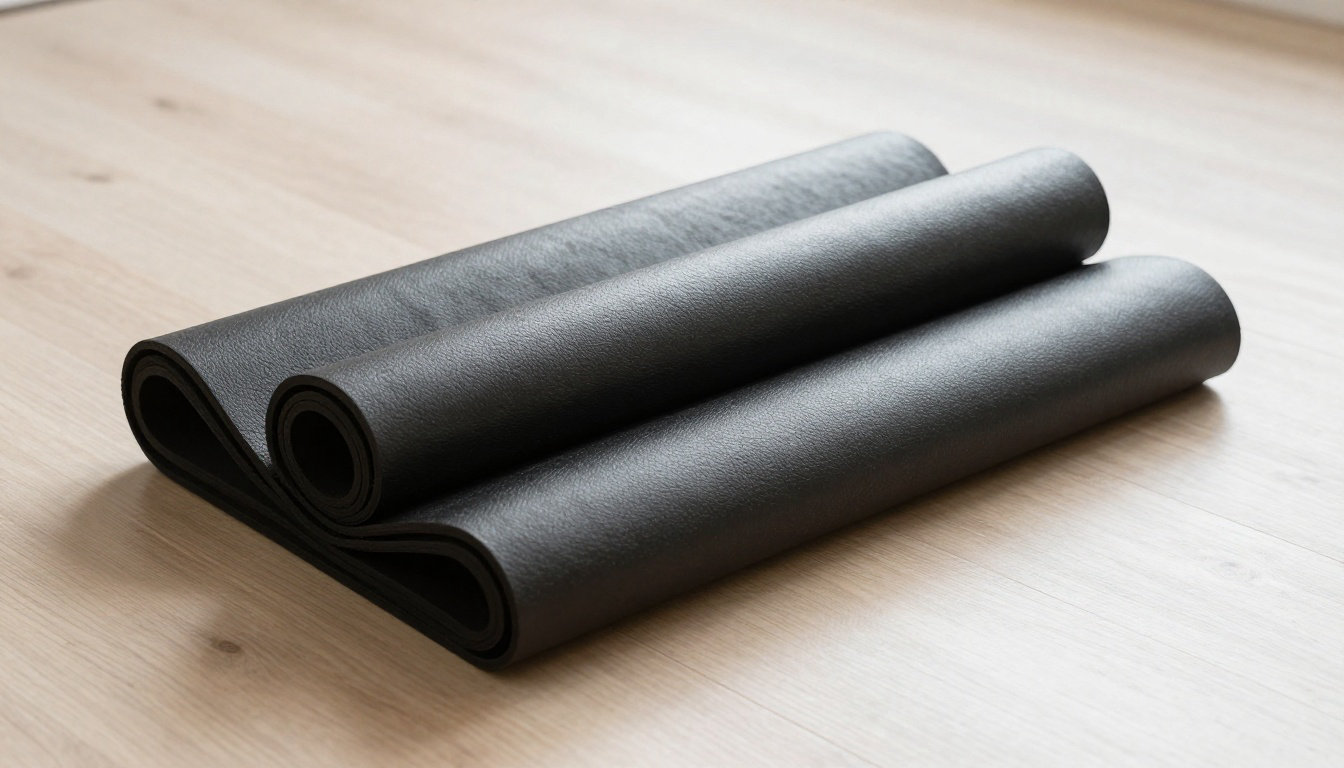
The Adidas Fitness Mat features a 10mm thickness and reactive foam. It is built for intense gym use. The material resists compression over time.
| Feature | Adidas Fitness Mat | Standard Yoga Mat |
|---|---|---|
| Thickness | 10mm | 4mm |
| Material | NBR | PVC/TPE |
| Best Use | HIIT/Gym | Yoga only |
| Portability | Roll-up | Lightweight |
This model includes a carry strap and an easy-clean surface. It is a practical choice for hybrid athletes. The texture prevents sliding during movement.
Finding the right yoga mats depends on your specific practice goals. You might also enjoy learning about Yoga Mudras: The Secrets of Sacred Gestures for Energy.
Glymnis Non-Slip Mat for High-Traction Sessions
If your practice involves significant heat and movement, traction becomes the only metric that truly matters.
The Glymnis mat prioritizes stability through specialized non-slip technology. It consists of a tear-resistant TPE material. Its specific surface texture remains effective for palms during intensive sessions.
This model holds certifications for being eco-friendly and sustainable. It is manufactured without harmful chemicals, phtalates, or unpleasant odors. Research at ScienceDirect discusses how materials impact indoor chemical emissions.
The mat is less effective and loses traction when it becomes wet or very sweaty.
The 6mm thickness offers a balanced density for practitioners. It provides necessary cushioning for sensitive knees and ankles. The edges stay flat on the floor without curling.
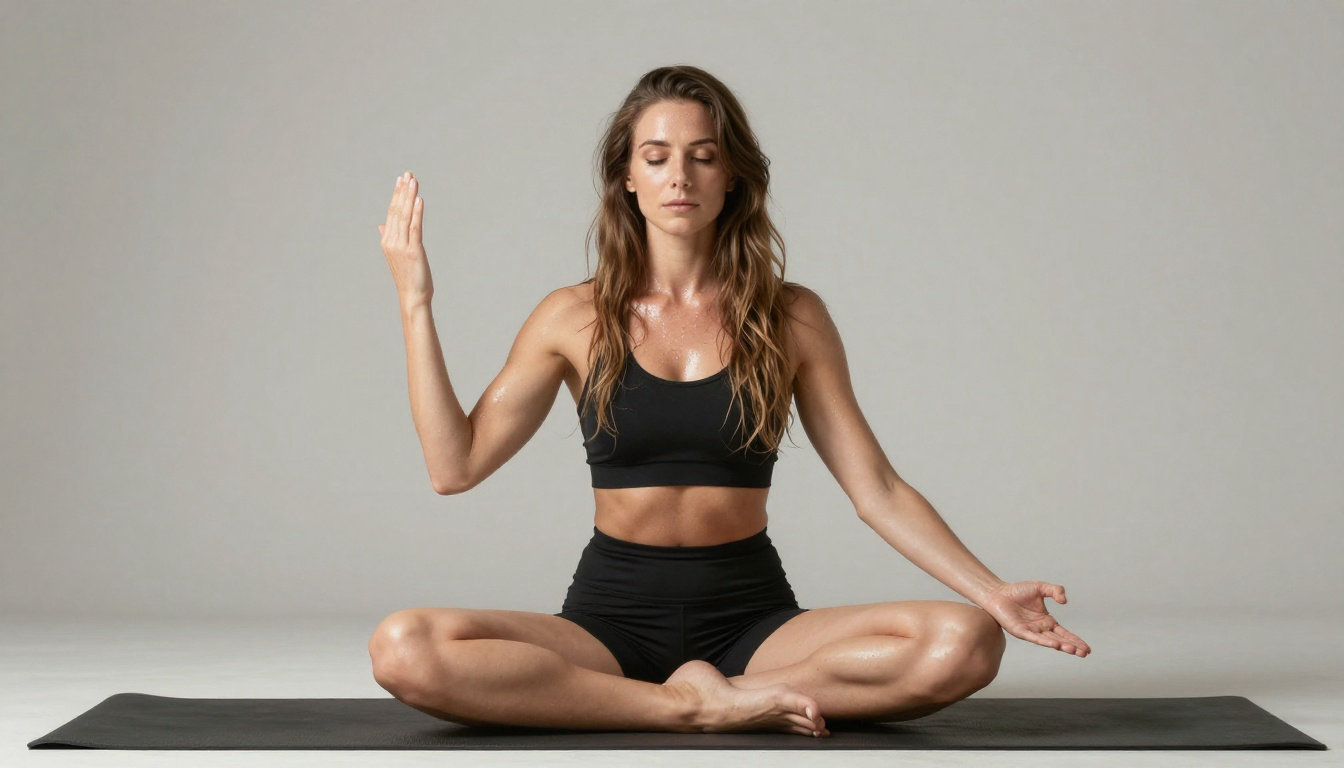
Stretching helps release physical tension and mental stress. You might consider Mastering Mushti Mudra for emotional release and digestion during your next yoga mats session.
Long-Term Maintenance and Replacement Indicators
Buying the right mat is only the first step; keeping it in top shape requires a bit of discipline.
Cleaning Protocols for Surface Longevity
Maintain your mat by using a mixture of mild soap and warm water. Avoid harsh chemicals that degrade the grip. Air-drying is essential before rolling it up to prevent bacteria.
Avoid direct sunlight to prevent cracking; always air-dry completely before rolling to maintain surface integrity.
Store your mat using a dedicated strap to prevent curling. Keep the accessory out of direct sunlight. High heat can cause materials like TPE or rubber to crack prematurely.
Identifying Signs of Structural Wear
Watch for physical markers like flaking, thinning, or visible holes. If you start slipping on a dry mat, the texture is gone. It is then time for a replacement.
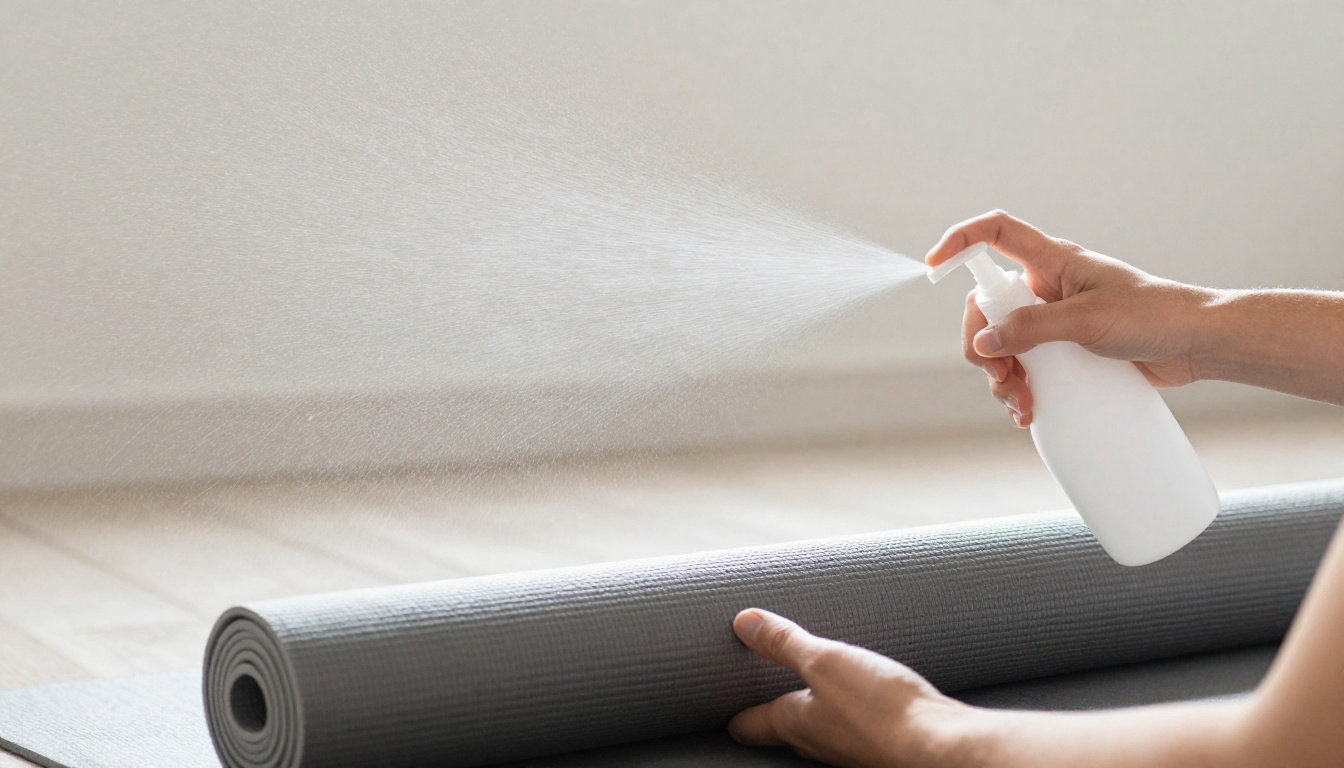
Lifecycles vary depending on the specific material used. Natural rubber may degrade faster than PVC but remains better for the planet. Frequent use dictates the product’s actual lifespan.
| Material Type | Estimated Lifespan |
|---|---|
| PVC | 5 to 10+ years |
| Natural Rubber | 1 to 5 years |
| TPE / Foam | 6 months to 2 years |
Choosing the right yoga mat requires balancing 3-5mm thickness for stability with high-traction materials like natural rubber or TPE. Prioritize joint cushioning for gentle sessions or thinner, grippy surfaces for dynamic flows to ensure long-term performance. Secure your ideal practice surface today to elevate your balance and comfort.