Scientific research indicates that 300 million people worldwide practice yoga, a discipline proven to significantly lower cortisol levels and improve cardiovascular health. Many individuals hesitate to begin due to a perceived lack of flexibility or physical strength.
This article examines the most effective yoga exercises to enhance your mobility and mental resilience. We will analyze foundational poses and safety protocols to help you establish a sustainable home routine.
- Fundamental Benefits of Yoga Exercises
- 3 Foundational Poses for Beginner Practice
- How to Stay Safe During Practice?
- Choosing Yoga Styles and Basic Gear
- Role of Breathwork and Mindfulness
- 4 Steps for a Consistent Home Routine
- Addressing Common Practice Barriers
Fundamental Benefits of Yoga Exercises
Yoga combines asanas, pranayama, and meditation to enhance flexibility and strength. Scientific studies confirm its efficacy in reducing cortisol, managing chronic pain, and improving cardiovascular health, offering a comprehensive physical and mental toolkit for significant physical improvements.
Practitioners worldwide
To improve resilience
Of history in India
Physical Health and Mobility Improvements
Consistent practice builds functional strength and joint mobility. Yoga originated in India 5000 years ago as a holistic mind-body practice. You can learn more through Harvard Health on Yoga. It remains a global standard for health.
Correction of posture occurs through precise spinal alignment. Muscle engagement actively supports the skeletal frame. This process reduces long-term strain on the back. It transforms how the body carries itself daily.
Around 300 million people worldwide use these methods. Physical flow creates a foundation for longevity. It is a proven therapeutic approach for mobility. Science backs these traditional movements for modern aging.
Mental Wellbeing and Stress Management
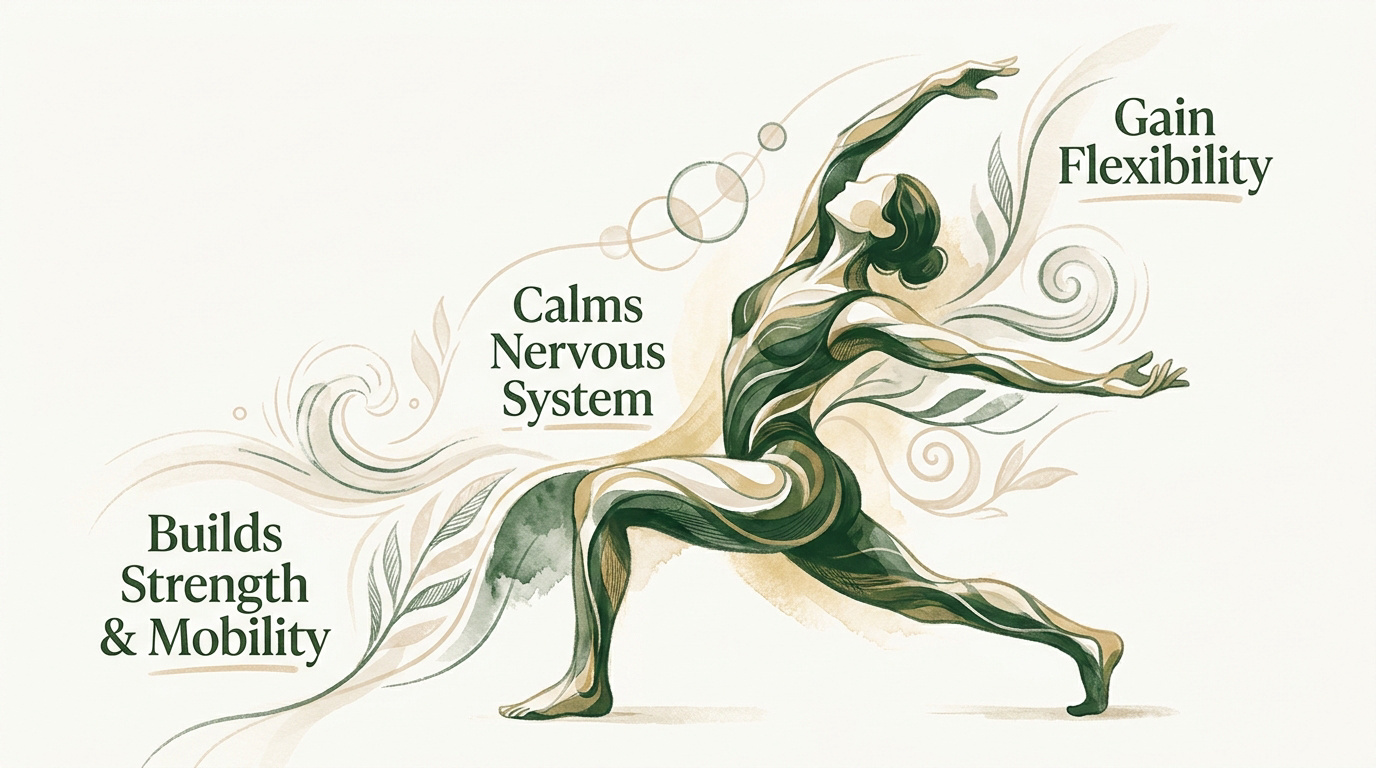
Yoga facilitates the reduction of cortisol levels through movement. It serves as a recognized complementary therapy for anxiety. This practice helps manage daily mental pressure effectively. It targets the physiological roots of stress.
There is a clear link between physical flow and mental clarity. Rhythmic movement calms the nervous system. This leads to a state of focused relaxation. The mind settles as the body moves.
Research indicates that 10 sessions can significantly improve psychological resilience. This is especially true during high-stress life events. For deeper insights, consult this Study on Yoga and Resilience. Resilience becomes a tangible skill.
| Benefit | Impact |
|---|---|
| Cortisol | Significant reduction |
| Vagal Tone | Improved relaxation |
| Alpha Waves | Increased calm |
Debunking the Flexibility Myth for Beginners
Many people avoid starting because they believe they must be flexible. This fear often prevents life-changing habits. In reality, yoga exercises are the tool used to gain that missing flexibility.
Flexibility is a result of practice, not a prerequisite. Everyone starts with different physical limitations. The practice meets you exactly where you are today. No prior athletic background is required.
Stiffness is actually a great reason to begin. Small, daily movements lead to big changes over time. You might also explore Mudras for Diseases: Healing Body and Mind Through Your Hands. Start your journey with patience and consistency.
3 Foundational Poses for Beginner Practice
Transitioning from the general benefits of this ancient practice leads us to the specific physical shapes that define a beginner’s journey. These movements establish the core mechanics of yoga exercises.
Grounding and Alignment in Mountain Pose
Stand with feet together and arms at sides. Engage your thighs and lift your chest high. Distribute your weight evenly across the soles of your feet.
This pose teaches you how to stand correctly. It builds a strong foundation for all other poses. It effectively improves posture and increases spinal awareness.
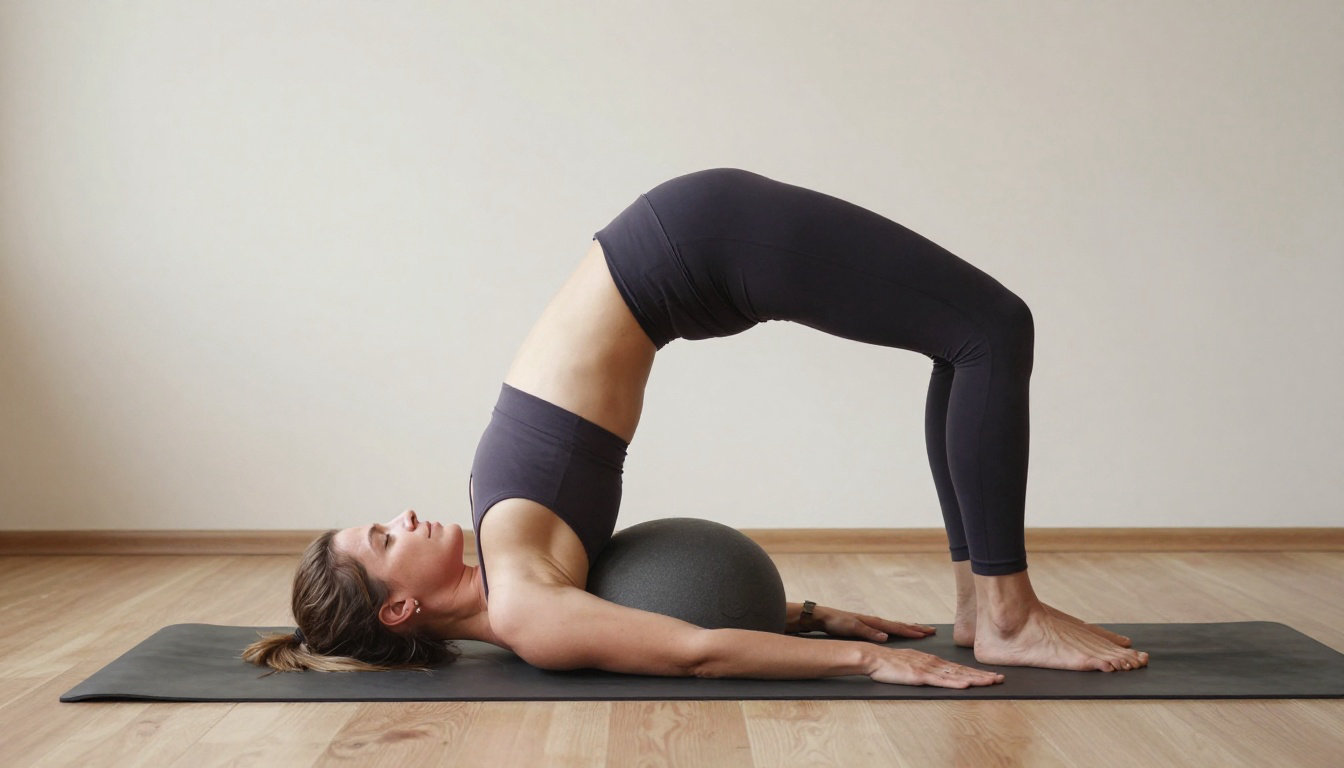
Feel the energy rising through your crown while grounding your feet. Maintain a neutral pelvis to support the lower back. You can explore more Yoga Postures for Diseases: Healing Through the Body to see how alignment aids recovery.
Building Strength with Downward Facing Dog
Spread your fingers wide on the mat for stability. Push your hips back and toward the ceiling. Your body should form a triangle or inverted V-shape.
Keep a slight bend in the knees if needed. Let your head hang heavy between your arms. This action creates a deep stretch for the hamstrings and spine.
In Downward Dog, keep a slight bend in the knees to prioritize spinal length over straight legs if hamstrings are tight.
This pose energizes the whole body quickly through a mix of strength and stretch. It remains a staple in almost every yoga class. To maintain the pose correctly, remember these cues:
- Press palms firmly into the floor.
- Lift sit bones high toward the sky.
- Relax the neck completely.
- Breathe deeply through the nose.
Finding Recovery in Child’s Pose
Kneel on the floor and sit on your heels. Fold forward and rest your forehead down. This position provides an immediate resting place for the hips and back.
It is your “reset” button during a flow. Return here whenever you feel overwhelmed or tired. It allows the heart rate to settle during a session.
Breathe into the back of your ribs. Allow your shoulders to melt toward the earth. This pose nurtures the nervous system and encourages a deep sense of release. It is a vital tool for managing stress and physical fatigue.
How to Stay Safe During Practice?
While poses build strength, safety ensures you can continue practicing for years to come.
Listening to Physical Limits and Signals
Distinguishing between discomfort and sharp pain is vital. Muscle heat often feels like a normal, productive tension during the practice. However, sharp or stabbing sensations act as a clear warning signal.
Backing off immediately remains the most effective response to pain. You should never push through a joint’s resistance or ignore a pinch. Respect the boundaries your body sets today, as they change daily.
A non-competitive mindset on the mat prevents many common injuries. Your practice is personal and unique to your own physical journey. Avoid comparing your depth to others to maintain focus on self-care. Acupressure Points for Back Pain: Relieve Your Pain.
Modifying Poses for Individual Skeletal Structures
Using blocks helps to bridge the reach gap during difficult stretches. Blocks effectively bring the floor closer to your hands. This adjustment maintains integrity in your spinal alignment and prevents straining.
Adjusting angles is a practical way to protect sensitive joints. Turning your feet slightly can help the knees track safely. Small shifts prevent long-term wear and tear on your connective tissues.
Everyone’s bone structure is different, making certain movements naturally unique. Some poses may look different on your body than on a teacher’s. That is perfectly normal and expected in a healthy practice.
| Pose | Common Limitation | Recommended Prop | Benefit |
|---|---|---|---|
| Forward Fold | Tight hamstrings | Use blocks | Reduces back strain |
| Triangle Pose | Short arms | Use blocks | Improves alignment |
| Seated Twist | Tight spine | Use strap | Deepens rotation safely |
| Pigeon Pose | Tight hips | Use bolster | Supports the pelvis |
Safe Transitions Between Flowing Movements
Core engagement is required during every single transition between postures. A strong center protects your lower back from sudden movements. Move with intention rather than using momentum to swing your limbs.
Moving without straining muscles requires a soft, controlled approach. Step forward lightly between your hands during flows. Keep your gaze steady to maintain balance and avoid dizziness.
The breath-to-movement connection serves as the foundation for safety. Inhale to expand and exhale to move through the yoga exercises. This synchronization keeps the body safe and fluid. It prevents jerky or dangerous movements during the session.
Choosing Yoga Styles and Basic Gear
Safety is the foundation, but choosing the right style and tools defines your experience.
Comparing Hatha and Vinyasa Approaches
Hatha yoga features a deliberate, slow pace. Poses are held longer to build physical stamina. This approach is excellent for learning proper skeletal alignment.
Vinyasa sessions describe a rhythmic, flowing sequence. Movement is linked directly to the breath. This style feels more like a structured dance.
Pick Hatha when you need quiet focus. Choose Vinyasa when you want to sweat. Both offer unique paths to long-term wellness.
Slow pace, focus on alignment, long holds, beginner-friendly.
Fast pace, breath-linked movement, dance-like flow, high energy.
Restorative and Yin Yoga for Deep Recovery
Yin yoga focuses specifically on connective tissues. Poses are held for several minutes quietly. This targets the fascia and deep joints.
Restorative yoga uses many props for support. It triggers the body’s natural relaxation response. This practice helps with nervous system regulation.
These styles are perfect for evening routines. They help quiet the mind after a long day. You can further enhance this by practicing Nadi Shodhana Pranayama: Purifying the Energy Channels.
Essential Equipment for a Home Setup
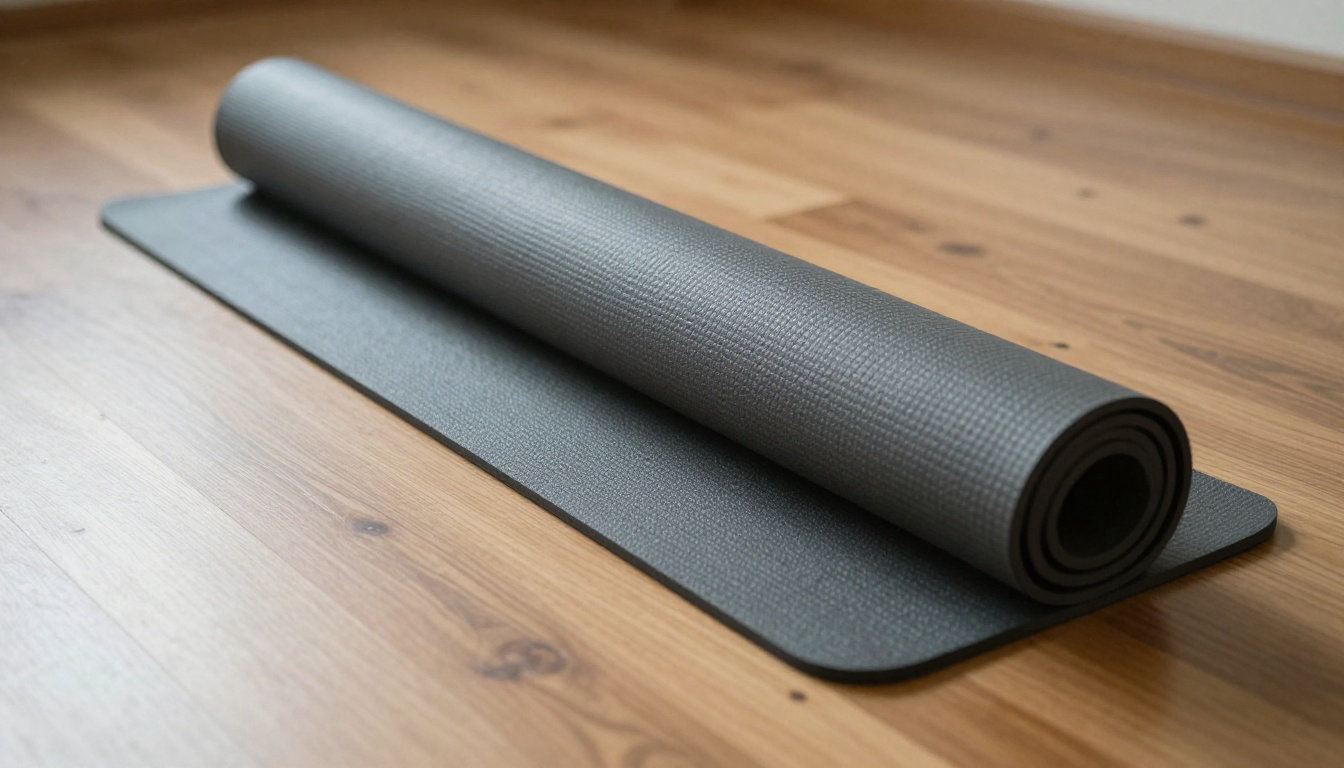
Look for non-slip materials for safety. Thickness matters for protecting your sensitive knees. High-grip mats are the primary criteria for selection.
Blocks and straps are highly useful. These tools act as extensions of arms. They help you reach further without physical straining.
Keep the home setup simple at first. You do not need expensive designer gear. A good mat is the only true necessity.
Start small and grow your collection later as your practice evolves.
Role of Breathwork and Mindfulness
Beyond the physical gear, the most powerful tool you own is your breath.
The Power of Pranayama Techniques
Basic breathing techniques like Ujjayi, often called ocean breath, involve a specific method. Constrict the back of your throat slightly while breathing. This creates a soothing, rhythmic sound during your practice.
The breath serves as an anchor for the wandering mind. Focus intently on the inhale and the exhale. This prevents distraction during difficult physical poses and maintains your internal steady state.
Pranayama masters the energy within the body effectively. It bridges the gap between mind and muscle for better control. Practice this daily for the best results. Pranayama: Master the Breath and Energy of Yoga.
Integrating Mindfulness with Physical Movement
Staying present on the mat requires specific mental techniques. Notice the sensation of your feet grounding into the floor. Observe the air moving in your lungs with every single movement.
Observe all physical sensations without any harsh judgment or frustration. If your mind wanders, bring it back to the current pose. Yoga is a practice of returning home to your own body.
Mindfulness transforms exercise into a moving meditation for the practitioner. It enriches the experience beyond just burning calories through effort. You become more aware of your inner state. This builds lasting mental resilience over time.
Breathing Exercises for Anxiety Relief
A specific sequence can help with calming the heart during stress. Try inhaling for four counts and exhaling for eight counts. This signals safety to your brain and lowers your heart rate.
There is a direct link between long exhales and deep relaxation. Long exhales activate the parasympathetic nervous system quite efficiently. Tension begins to melt away instantly as your body releases stored stress.
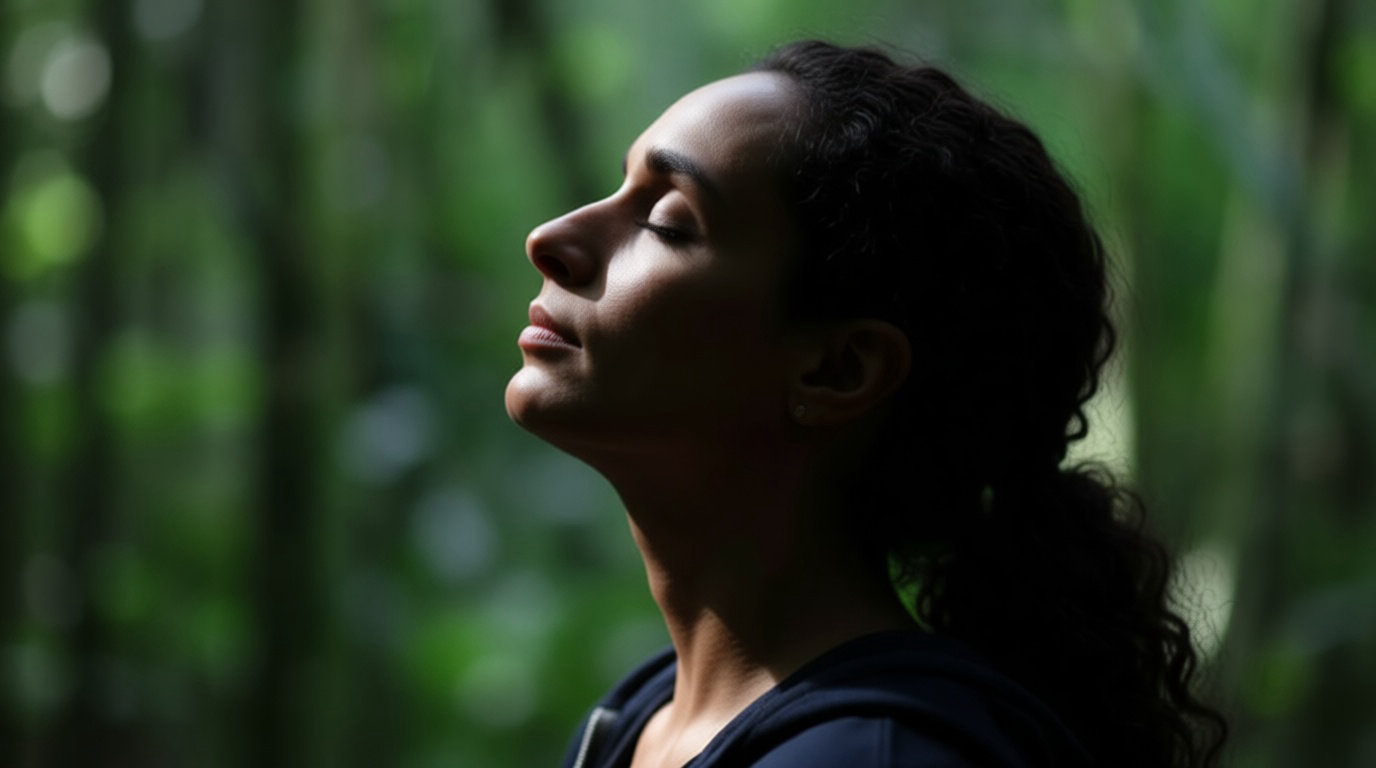
Use these tools anytime outside of class for immediate relief. Yoga breath is a portable stress reliever for daily life challenges. It works in traffic or before meetings. Mastering Mushti Mudra for emotional release and digestion.
4 Steps for a Consistent Home Routine
Once you master the breath, the next challenge is showing up every day.
Decide between morning energy or evening release.
Use a high-grip mat in a calm, lit area.
Select an instructor that matches your goals.
Incorporate movements for desk-related tension.
Finding the Best Time for Daily Practice
Morning sessions effectively energize the body for the upcoming day. Evening practices conversely help release accumulated daily stress and tension. Both options offer unique physiological benefits for practitioners.
Fitting short practices into busy schedules remains highly effective. Even ten minutes makes a huge difference in your progress. Consistency beats intensity every single time for long-term results.
Set a specific time to build a lasting habit. Treat your practice like an important meeting on your calendar. This commitment ensures you actually step on the mat. Routine simplifies the decision-making process significantly.
Sequences for Relieving Desk Work Stiffness
Specific movements effectively target neck and shoulder tension. Roll your shoulders back and down often during the day. Gently tilt your head side to side to release muscles.
Performing exercises in limited office spaces is entirely possible. Seated twists can be done easily in most desk chairs. These small movements prevent chronic stiffness from becoming a permanent issue.
Target the hips to counter the effects of long sitting. Low lunges are perfect for opening tight hip flexors daily. Do these daily to maintain optimal lower back health. Useful desk-side options include:
- Seated Cat-Cow
- Neck rolls
- Wrist stretches
- Standing forward fold
Selecting Online Platforms and Instructors
Specific criteria help when choosing a beginner teacher online. Look for clear verbal cues and essential safety tips. A good instructor explains the “why” behind different poses.
Digital formats present various pros and cons for students. Apps offer great flexibility for a busy professional schedule. Live classes provide real-time feedback and a sense of community.
Experiment with different styles and voices to find balance. You might not click with the first teacher you find. Keep searching until you find your perfect match. The right guide makes all the difference.
Addressing Common Practice Barriers
Even with a routine, life presents obstacles that require a flexible approach.
Managing Practice with Existing Injuries
Always talk to your doctor about injuries. Safety must remain your top priority. Always consult professionals before you start practicing.
Chair yoga is a fantastic, accessible option. It offers benefits without the risk of falling. Detail the use of gentle variations by visiting Chair Yoga Benefits.
Yoga is highly adaptable to most conditions. Use props to support your recovery process. Patience is a vital part of healing. Focus on what you can still do.
Frequency and Realistic Expectations for Results
Three times a week is a great goal. You will feel better almost immediately. This frequency allows for consistent physical changes.
Clarity often comes faster than physical flexibility. Notice the small wins in your mood. Mental shifts are frequently the first results observed.
Long-term health is built through these small habits. This was proven in a 2015 study. Practicing 12 minutes daily boosts bone density, according to Yoga for Bone Density.
Improving Sleep Quality through Movement
Evening yoga lowers your heart rate effectively. This prepares the brain for deep rest. Movement directly influences melatonin production for better recovery.
Legs-up-the-wall is a classic for relaxation. It drains tension from the lower body. This pose is ideal to perform right before bed.
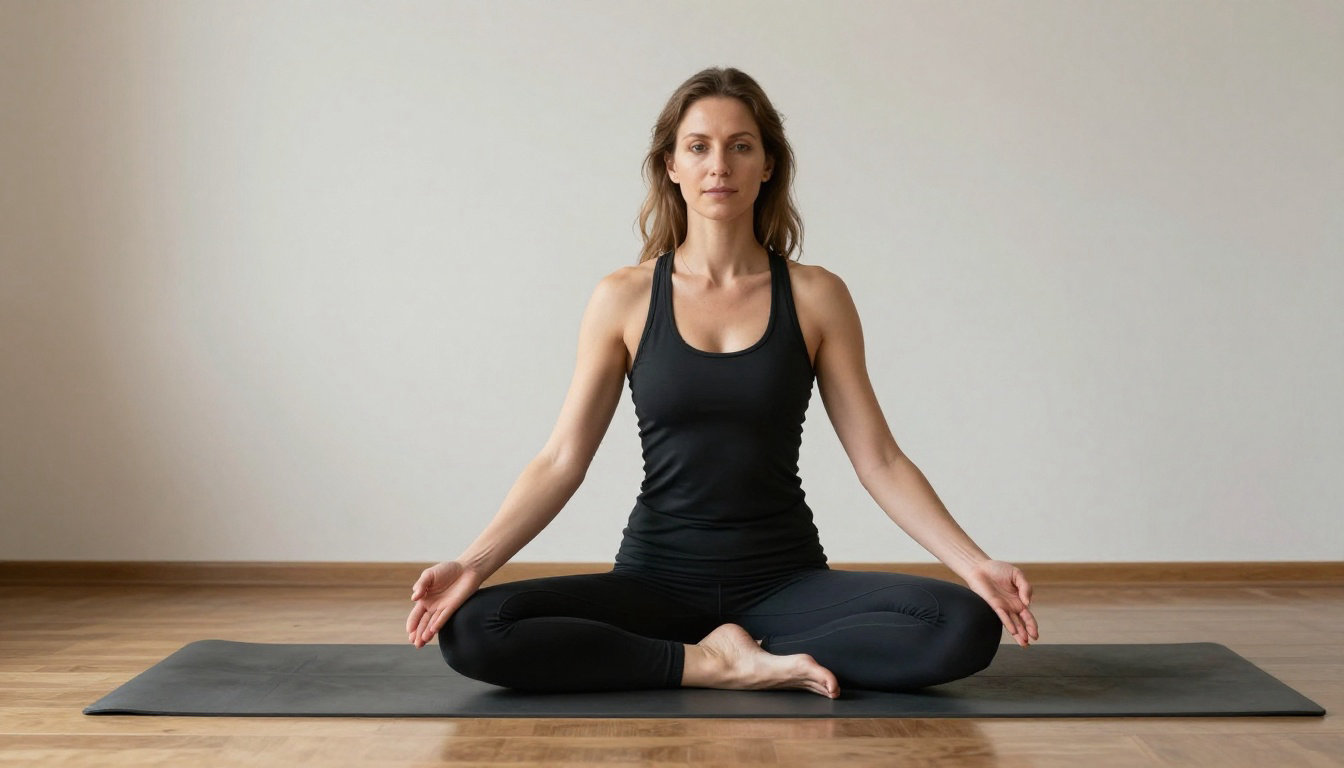
Dim the lights and breathe very slowly. This signals to your body that day ends. Better sleep leads to better days ahead, and you can explore more in Yoga Mudras: The Secrets of Sacred Gestures for Energy. Incorporating specific yoga exercises into your nightly ritual ensures a deeper rest.
Regularly practicing yoga exercises enhances flexibility, reduces cortisol, and builds lasting physical resilience. Start with foundational poses like Downward Dog to transform your daily wellbeing. Begin your journey today to experience a stronger, calmer body and a more focused mind for the future.