
Should physical stiffness prevent you from starting a practice that aims precisely to resolve it? Many beginners hesitate to join a class because they feel their lack of flexibility is a barrier, yet the primary goal of yoga for beginners is the process of body exploration rather than immediate perfection. One often feels intimidated by unfamiliar vocabulary and the fear of performing postures incorrectly.
This article provides a clear roadmap to master foundational poses and establish a safe routine. We will examine the core principles of alignment and breathwork to help you build a sustainable home practice.
- Principles Of Beginner Yoga For Health
- 6 Foundational Poses For A Solid Base
- How To Start A Safe Home Practice Today?
- Breathwork And Mental Wellness Integration
- 7-Day Plan To Build A Sustainable Routine
Principles Of Beginner Yoga For Health
Yoga focuses on mind-body integration through foundational poses like Mountain and Downward Dog. Success relies on consistent 15-minute sessions, proper spinal alignment, and controlled Pranayama breathing rather than initial physical flexibility.
Transitioning from these core foundations, it is vital to address common misconceptions regarding physical ability that often deter new practitioners.
Flexibility Is Not A Prerequisite
Stiffness is the very reason to practice. Yoga creates space in the body. You do not need to touch your toes today to begin your journey with yoga for beginners.
Focus on personal progression over looking like a social media photo. Every body has different limits. Respect your current range of motion. Growth happens through steady, patient effort over time.
Deliberate practice matters more than initial strength. Consistent effort leads to a sustainable Ashtanga yoga progression. Patience remains the most valuable tool for any new student.
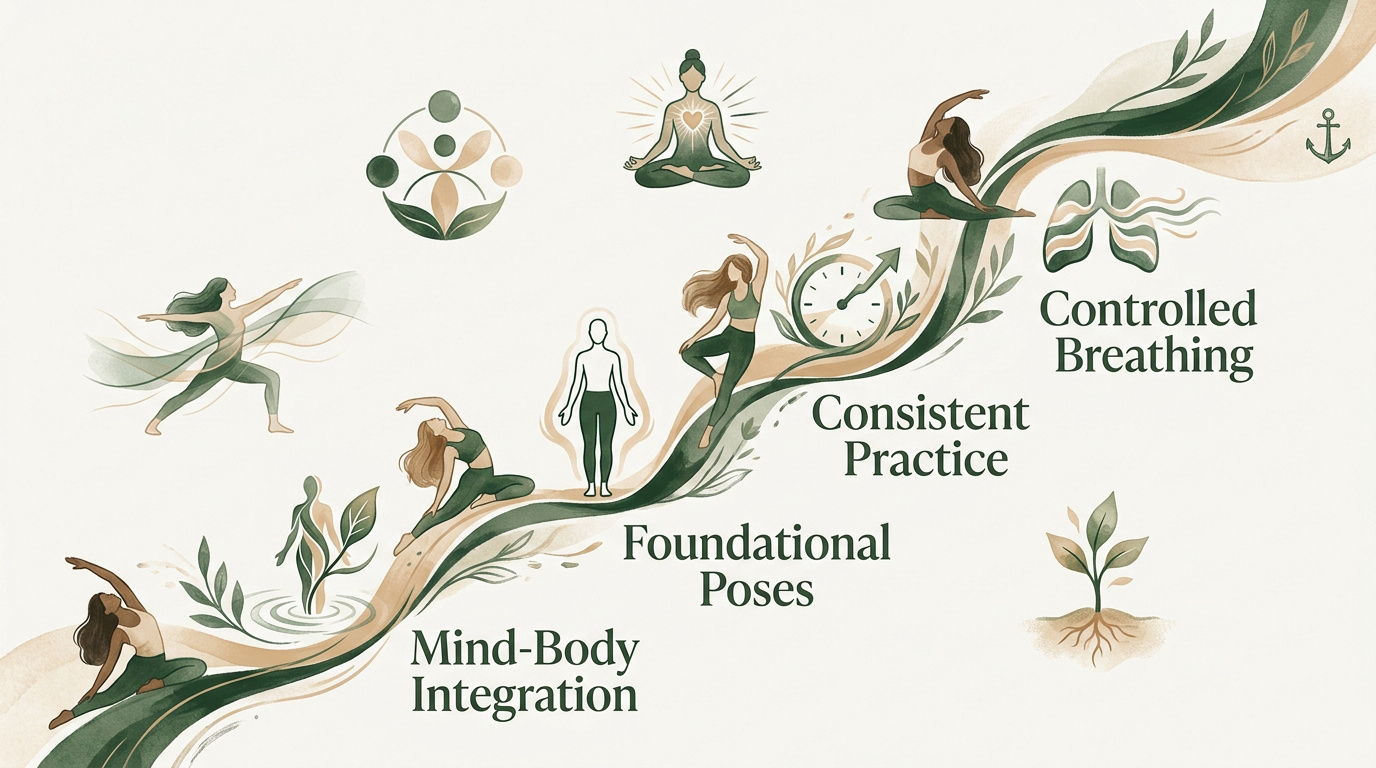
Integrating Mind Body And Spirit
Yoga is more than just stretching muscles. It is a holistic system for the self. We move to quiet the busy mind and find internal stillness.
Physical movement serves as a bridge to mental presence. Notice how your body feels in each shape. This awareness builds a deep internal connection during every session.
Beginners can use meditation to improve overall well-being. This spiritual side complements the physical work. Explore this path further through a Chakra meditation guide to deepen your practice.
6 Foundational Poses For A Solid Base
Moving from the core philosophy to the physical practice, let’s look at the essential shapes that define a beginner’s journey.
Grounding With Mountain And Child’s Pose
Tadasana, or Mountain Pose, teaches perfect standing alignment. Root your feet firmly into the earth. Lengthen your spine toward the sky. This simple pose fixes poor daily posture habits effectively.
Balasana provides a vital resting spot. Fold forward and let your forehead touch the mat. It allows the nervous system to reset during practice.
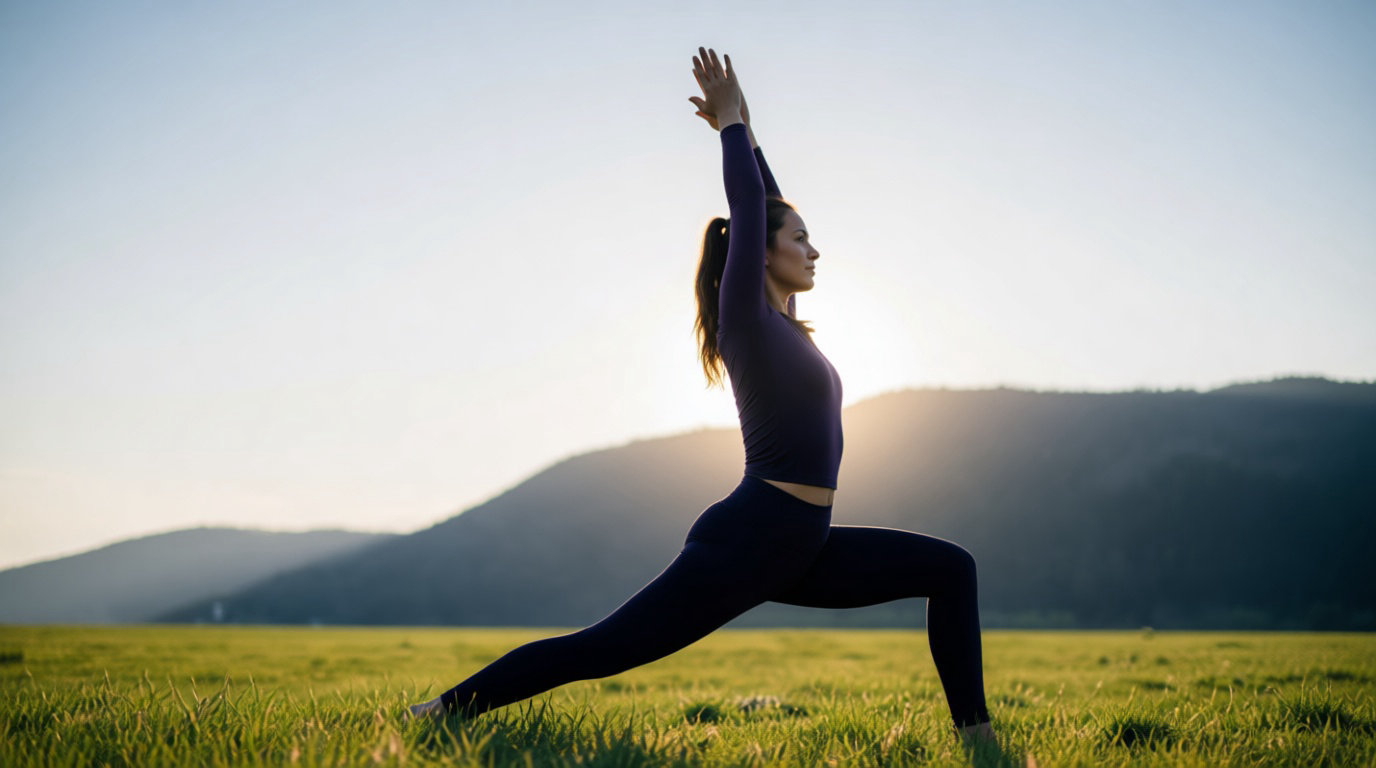
These basic poses start the healing process for various conditions. You can explore specific Yoga Postures for Diseases to see how alignment helps. Grounding is the first step toward recovery.
For Child’s Pose: bring knees together to relieve lower back discomfort if the wide-legged version feels too intense for your spine.
Stability In Downward Dog And Warrior
Downward Dog builds full-body strength. Distribute your weight evenly between hands and feet. Push the floor away to lift your hips high.
Warrior poses build fierce lower body stability. In Warrior I, your hips face the front of the mat. Warrior II requires opening the hips to the side. Both poses develop focus and physical endurance.
Hips and shoulders face the front of the mat. Back foot angled toward the front corner.
Hips and shoulders face the side of the mat. Back foot turned out to 90 degrees.
Proper bone stacking ensures safety and efficiency in these standing shapes. Consult an Anatomical Guide to Yoga for deeper insights. Aligning joints reduces unnecessary muscular strain.
Balance And Extension With Tree And Cobra
Tree Pose tests your concentration and balance. Fix your gaze on one unmoving point. Place your foot on the calf or thigh.
Cobra Pose strengthens the entire back. Lie on your belly and lift your chest slightly. Use your back muscles instead of just pushing with hands. This extension protects the spine from daily slouching.
While Cobra is basic, advanced inversions like headstands need wall support. Check these notes on Yoga headstand safety before progressing. Always prioritize stability over height in backbends.
How To Start A Safe Home Practice Today?
Once you know the poses, the next step is setting up a safe environment to practice them without distraction.
Creating A Dedicated Practice Space
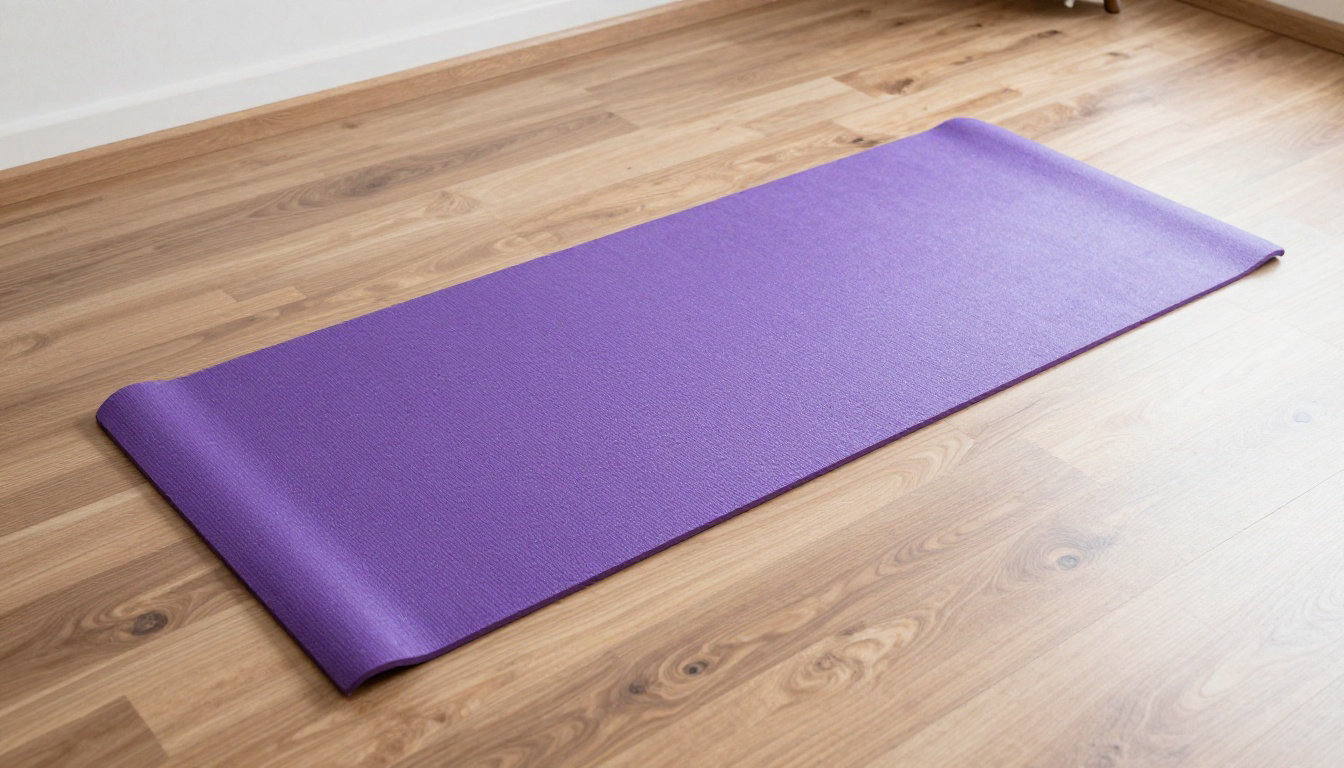
Preparation begins with gathering specific equipment to support your body. You will need these items to maintain stability and comfort during yoga for beginners sessions:
- A non-slip yoga mat
- Comfortable breathable clothing
- Two yoga blocks
- A cotton strap
Find a quiet corner with enough floor room. You need space to stretch your arms wide. Clear away any clutter that might cause trips. A peaceful environment helps you stay focused on your breath and prevents unnecessary mental distractions.
Establishing a routine is vital for progress. You might explore Steam Bath benefits as part of your post-practice recovery rituals to soothe muscles.
Recognizing The Difference Between Discomfort And Pain
Muscle stretching often feels like a dull ache. This discomfort is normal and safe for beginners. It means your tissues are lengthening and your body is adapting to new movements.
Sharp or stabbing pain is a warning signal. Never push through joint pain or electrical sensations. Back out of the pose immediately if you feel distress.
Sharp or stabbing pain is a warning. Never push through joint pain or electrical sensations. If you feel distress, back out of the pose immediately. Listening to your body prevents long-term injuries and ensures a sustainable practice.
Mindful movement helps you balance your Vata with Vayu mudra, which is useful for managing physical discomforts like gas or joint pain during your sessions.
Using Props To Adapt Difficult Postures
Blocks bring the floor closer to your hands. They are essential for those with tight hamstrings who cannot reach the ground. Straps help you reach your feet easily without straining your back or shoulders.
You don’t need expensive gear to start. Use thick blankets to cushion sensitive knees. A sturdy chair can provide balance support during standing poses. These modifications make the practice accessible to everyone regardless of their current flexibility level.
Integrating hand gestures can also enhance your focus. Try the Aakash mudra for detox while using hand gestures alongside props to deepen your internal awareness and physical cleansing.
Breathwork And Mental Wellness Integration
While the physical body works, the breath acts as the engine that drives mental clarity and emotional stability.
Basic Pranayama For Immediate Stress Reduction
Diaphragmatic breathing involves expanding the belly on the inhale. It signals the brain to relax. This is the foundation of all Pranayama.
A Yogic slow breathing study shows that improving baroreflex sensitivity is possible through slow rhythms. Equal breathing effectively lowers blood pressure for novices. It balances the nervous system quite naturally.
Practicing Nadi Shodhana Pranayama or Chandra bhedana pranayama helps by cooling the mind. These techniques are vital for yoga for beginners. They restore internal balance quickly.
Mental And Emotional Gains Of Regularity
Regular practice reduces daily anxiety levels significantly. You learn to stay calm under pressure. This focus carries over into your work.
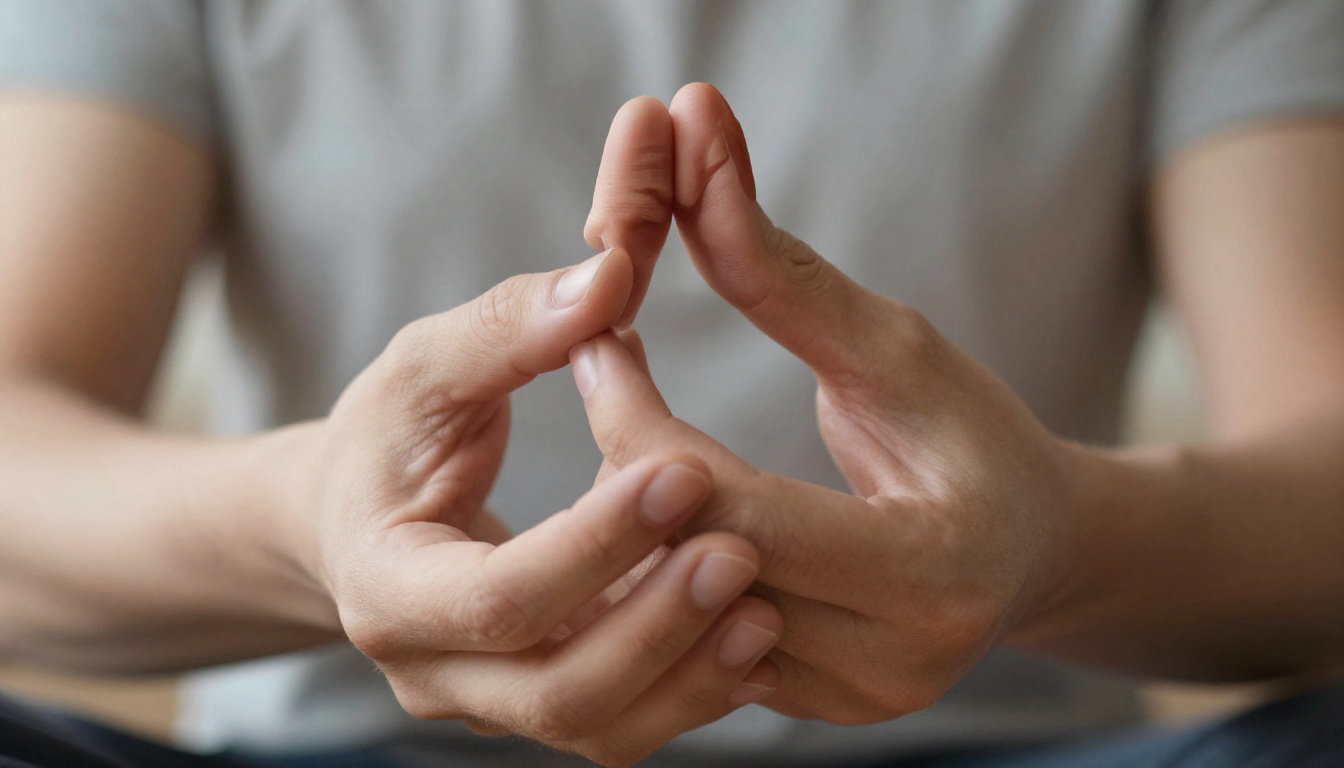
A mindful routine creates a sense of internal stability. You become more aware of your emotional triggers. Small sessions help build a resilient mindset over time. Consistency is the secret to these gains.
Utilizing Mrigi Mudra for calm is helpful. This specific hand gesture assists in using mudras to enhance emotional regulation during breathing exercises. It grounds your mental energy.
7-Day Plan To Build A Sustainable Routine
To turn these individual elements into a habit, a structured week-long approach helps cement your new practice.
Organizing A Daily 15-Minute Flow
Start with five minutes of gentle neck and shoulder rolls. This warms up the joints. Move into standing poses for five minutes.
Finish with five minutes of seated stretches and final relaxation. Morning sessions energize the body for the day. Evening flows help release tension before sleep. Choose a time that fits your schedule.
| Day | Focus | Key Pose | Duration |
|---|---|---|---|
| Day 1 | Grounding | Tadasana | 15 min |
| Day 2 | Balance | Tree Pose | 15 min |
| Day 3 | Strength | Warrior | 15 min |
| Day 4 | Flexibility | Cobra | 15 min |
| Day 5 | Breath | Pranayama | 15 min |
| Day 6 | Flow | Downward Dog | 15 min |
| Day 7 | Rest | Child’s Pose | 15 min |
Tracking Progress Beyond Physical Flexibility
Success isn’t just about touching your toes. Notice if you feel more energetic after practice. Check if your breathing is smoother.
Tracking mental shifts is equally important for beginners. Are you sleeping better at night? Do you feel less reactive to stress? These internal changes prove that the yoga is working deeply.
You might consider prasanna mudra for hair growth or Bhramara mudra for allergies when tracking specialized health benefits as you progress toward studio classes.
Mastering yoga for beginners involves integrating foundational poses like Mountain and Child’s Pose with conscious breathwork. By prioritizing consistent 15-minute sessions over initial flexibility, you foster deep mind-body alignment. Start your journey today to build lasting stability and mental clarity. Your future of balanced well-being begins now.