A lack of flexibility can lead to a significant reduction in the production of synovial fluid, which is essential for joint lubrication. When muscles lose their elasticity, the body often compensates through other muscle groups, increasing the risk of injury and chronic instability. Many individuals struggle to maintain their range of motion because they fail to distinguish between passive stretching and active joint control.
This article explains how to stretch by detailing the physiological differences between flexibility and mobility while providing a structured approach to safe movement. We will examine specific techniques to optimize your physical recovery and daily functional performance.
- Foundations of Effective Stretching Exercises
- How to Avoid Injury During Muscle Lengthening?
- 6 Exercises for the Most Common Tight Spots
- Practical Strategies for Daily Movement
Foundations of Effective Stretching Exercises
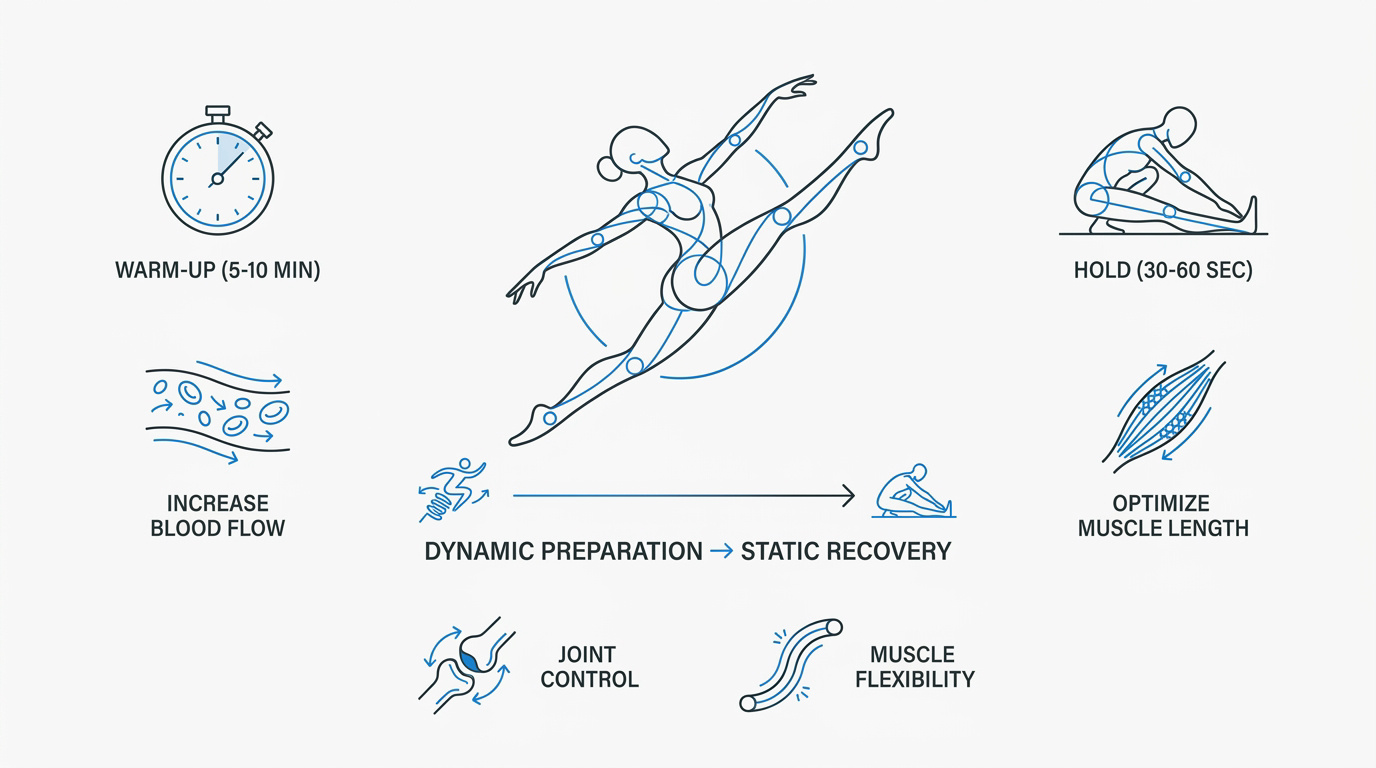
Effective stretching requires 5-10 minutes of warm-up to increase blood flow before holding static poses for 30-60 seconds. Combining dynamic preparation with static recovery optimizes muscle length and joint control for daily functional mobility.
This distinction between preparation and recovery leads directly into the physiological differences between muscle flexibility and joint-specific control.
Distinguishing Between Flexibility and Joint Mobility
Flexibility refers to the passive length of your muscles. Mobility differs because it requires active control over a joint’s full range. Both play unique roles in how we move daily.
Strength training often supports this functional range of motion. Mobility impacts everyday tasks like reaching or bending. You need stable joints to utilize the length provided by stretching and flexibility exercises.
These concepts are synergistic. One cannot function effectively without the other’s support.
Selecting Dynamic or Static Methods Based on Timing
Dynamic movements are best for pre-workout preparation. These active motions prime muscle fibers and raise your heart rate. In contrast, static holds are reserved for recovery after your physical activity is finished.
Dynamic stretching: pre-workout, primes fibers, increases heart rate. Static stretching: post-workout, better for relaxation and recovery.
Static positions influence muscle fibers differently. They promote relaxation once the body is warm. This helps the nervous system settle after exertion.
Timing is everything when learning how to stretch. Choosing the wrong method pre-exercise might temporarily reduce power. For better flow, consider how Pranayama: Master the Breath and Energy of Yoga integrates breathing into movement.
How to Avoid Injury During Muscle Lengthening?
While understanding the types of stretching is vital, executing them without safety protocols is a recipe for disaster.
Managing Tension Without Reaching the Pain Threshold
Identify the line between productive tension and harmful pain. Stretching should never feel sharp or stabbing. A gentle pull is the goal for safe muscle lengthening.
The stretch reflex is a natural survival mechanism. Your body fights back if you push too hard or too fast. This contraction serves to protect your tissues from tearing.
Listen to physical feedback and back off slightly if you cannot breathe deeply. Consistency beats intensity every time. Aim for a point of tension that feels manageable and controlled.
The stretch reflex triggers an automatic contraction to prevent injury. Avoid sharp pain and move slowly to bypass this protective response safely.
Proper Breathing and the Dangers of Ballistic Movement
Deep breathing increases oxygenation during a hold. Holding your breath creates unnecessary internal tension in the body. Breathe steadily into the specific muscle you are targeting.
Avoid bouncing or jerky movements during your routine. These ballistic actions often lead to micro-tears in the tissue. Controlled, static holds are much safer for the average person.
Keep your spine neutral and avoid rounding your back. Proper alignment ensures the stretch hits the right spot effectively. Good posture is essential for preventing secondary joint strain.
- Stop if you feel sharp pain.
- Avoid bouncing (ballistic) motions.
- Maintain a neutral spine.
- Never hold your breath during the stretch.
6 Exercises for the Most Common Tight Spots
Safety established, let’s look at the specific movements that target the areas where most of us carry the most tension.
Lower Body Focus for Calves and Hamstrings
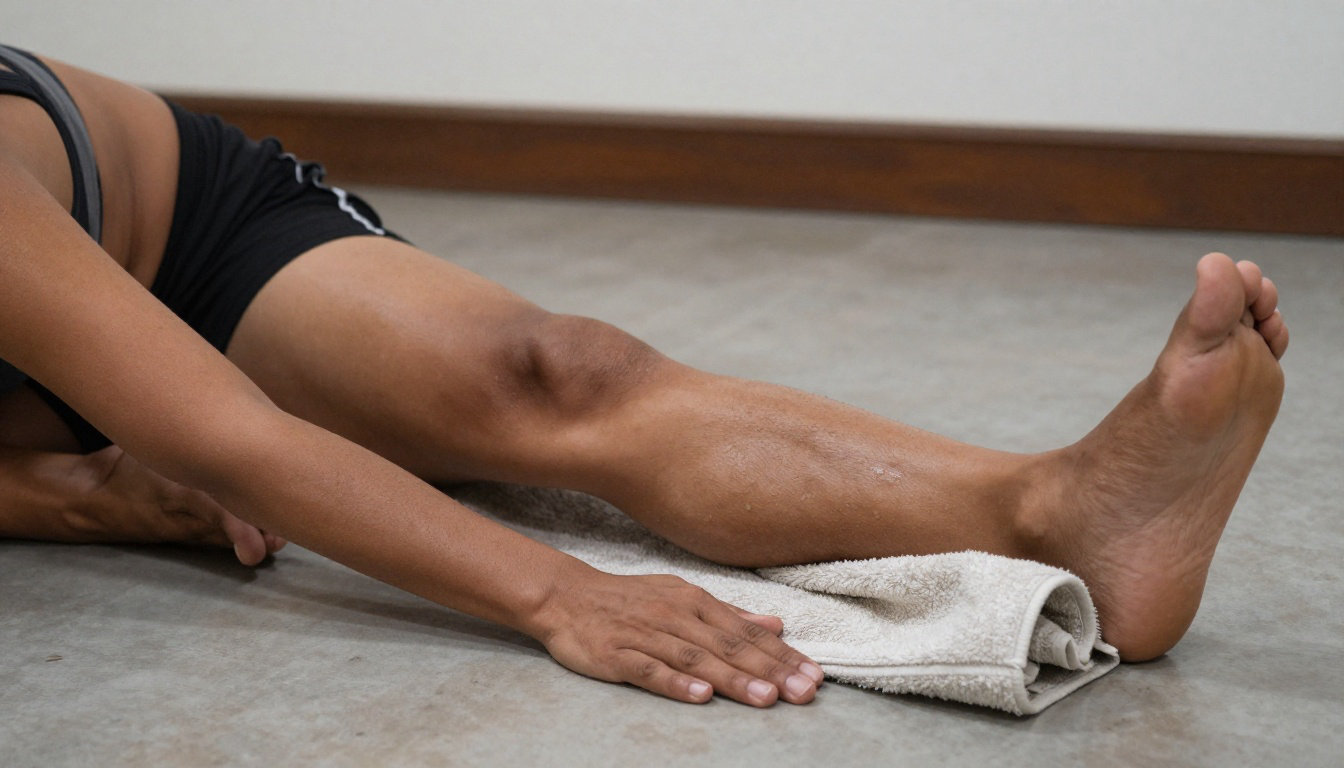
To stretch calves, stand facing a wall with one foot back. For hamstrings, lie down and lift your leg with a strap. These movements are foundational for anyone who walks or runs often.
Use a chair for balance if joints feel stiff. Do not force a range of motion your body isn’t ready for yet. Controlled movements are better than aggressive ones.
Avoid lifting your heels or rounding your back. These errors shift tension away from the target muscle. Proper form ensures you experience the Benefits of Upavista Konasana for Women’s Health effectively.
Relieving Tension in the Neck and Shoulders
The cross-body shoulder stretch and lateral neck tilts offer immediate relief. These movements effectively counteract the “tech neck” caused by frequent device usage. Keep your breathing steady throughout.
Opening the chest and shoulders prevents a slumped appearance and improves posture. This also helps with deep breathing. Do these daily to maintain an upright frame and reduce chronic fatigue.
Focus on tucking the chin slightly to realign the cervical spine. This specific position reduces headaches and stiffness. It is a simple way to reset your alignment during a busy day.
| Muscle | Exercise | Benefit | Hold |
|---|---|---|---|
| Calves | Wall Stretch | Less stiffness | 30-60s |
| Hamstrings | Supine Reach | Mobility | 30-60s |
| Hips | Kneeling Lunge | Relief | 30-60s |
| Shoulders | Cross-body | Open chest | 30-60s |
| Neck | Lateral Tilts | Eases neck | 30-60s |
| Lower Back | Knee to Chest | Less pressure | 30-60s |
Practical Strategies for Daily Movement
Targeted exercises work best when they aren’t isolated events but rather part of a broader lifestyle strategy.
Micro-Stretching Breaks for Sedentary Office Workers
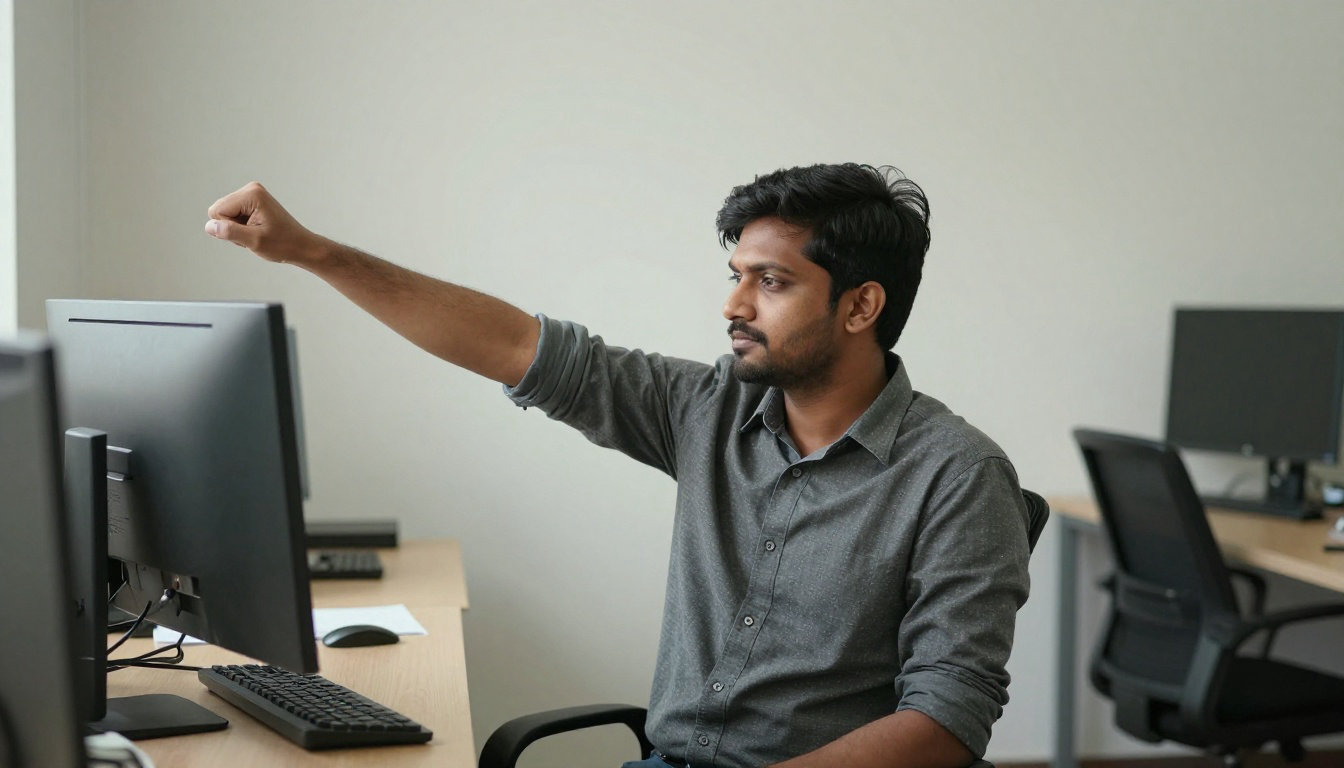
Integrate short movement intervals into your workday. Set a timer for every hour. Even two minutes of movement can reset your nervous system.
Set a timer every hour for a 2-minute break. Use chair-based stretches like seated spinal twists or hip flexor releases.
Detail chair-based stretches for hip flexors. Mention seated spinal twists for the lower back. These movements counteract the compression caused by sitting. You don’t even need to stand up.
Small, consistent movements prevent long-term stiffness. Acupressure Points for Back Pain: Relieve Your Pain can also help manage chronic pain.
Long-Term Progression and Age-Related Maintenance
Regular practice prevents age-related muscle shortening. It keeps your joints lubricated and functional. Think of it as long-term maintenance for your body.
- Frequency: 2-3 days per week minimum.
- Hold Duration: 30-60 seconds per pose.
- Preparation: 5-10 minutes of warm-up required.
Increase hold duration as you improve. Move from 30 seconds to a full minute. This deeper work targets the fascia and connective tissues.
Aim for at least two to three dedicated sessions. Consistency is the only way to see permanent changes. Following an ideal stretching routine ensures progress.
Integrating regular movement through dynamic warm-ups and static holds optimizes muscle length and joint control. By prioritizing consistency over intensity and respecting your pain threshold, you ensure long-term injury protection. Start implementing these techniques today to unlock a more fluid, functional, and pain-free future.