
The Hatha Yoga Pradipika, a foundational text from the 15th century, codifies a system designed to balance the solar and lunar energies within the human body. While many practitioners today seek physical flexibility, the traditional discipline of hatha yoga was originally conceived as a rigorous preparation for spiritual awakening and mental stillness. One often finds that modern sessions prioritize aesthetic movement over the internal purification required for true progress.
This article explains the historical origins of the practice and details how its core pillars can enhance your physical health and mental clarity. We will examine the traditional techniques that transform a simple workout into a comprehensive path for human optimization.
- Origins and Definition of Hatha Yoga Traditions
- Three Core Pillars of a Traditional Hatha Practice
- How Does Hatha Yoga Improve Physical and Mental Health?
- Classical Hatha versus Modern Postural Yoga
- Practical Steps to Start Your Hatha Yoga Practice
Origins and Definition of Hatha Yoga Traditions
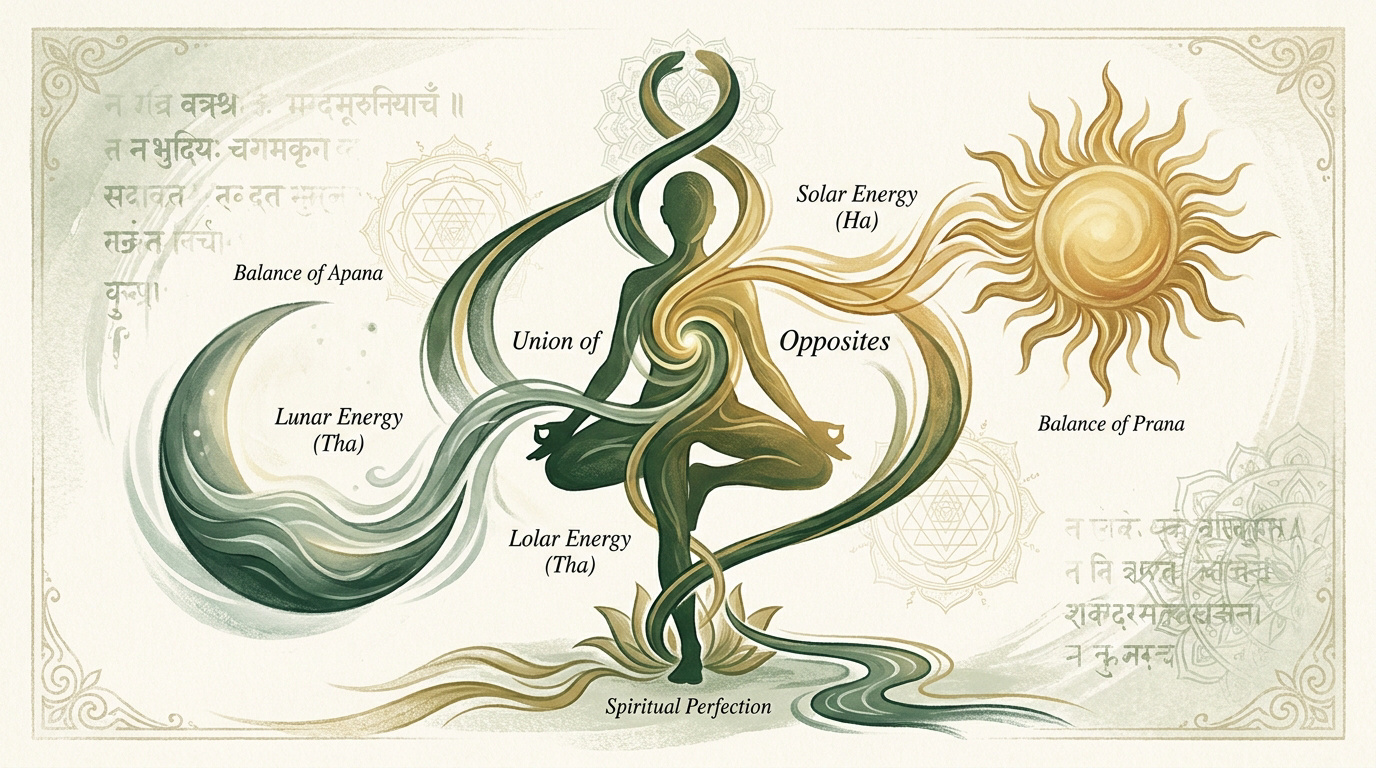
Hatha Yoga, meaning “discipline of force,” balances solar (Ha) and lunar (Tha) energies. Founded by Gorakhnath in the 11th century, it integrates asanas, pranayama, and purification to achieve spiritual perfection and mental withdrawal.
This linguistic foundation explains how the physical practice serves as a direct gateway to internal equilibrium.
In Sanskrit, Ha represents the Sun and Tha represents the Moon, symbolizing the union of opposites and the meaning of “force” or “energetic.”
The Etymology of Force and Balance
The term originates from Sanskrit roots where “Ha” represents the sun and “Tha” the moon. These syllables symbolize the union of opposites within the human body.
Practitioners balance internal energies like Prana and Apana through physical effort. This “force” is required to align energetic and physical states. Such equilibrium creates a stable foundation for higher meditation.
By joining these two forces, the practitioner finds stillness and non-duality. This linguistic breakdown is vital for understanding the practice’s depth. Explore more on Hatha Yoga meaning and etymology.
From Tantric Roots to the Hatha Yoga Pradipika
Origins trace back to 11th-century tantric movements. These early practices focused on the physical body’s inherent divinity.
In the 15th century, Svātmārāma codified these techniques in the Hatha Yoga Pradipika. This text shifted focus from complex rituals to accessible physical methods. It remains an influential manual today. It outlines the path from body to spirit.
This transition moved yoga from secretive forest hermitages to structured systems. This evolution allowed ancient techniques to survive across centuries.
Patanjali’s earlier works also influenced these developments. Even though hatha yoga is more physical, it shares ultimate spiritual goals.
The Legacy of the Natha Sampradaya Tradition
Natha yogis, specifically Gorakhnath, were the primary preservers of Hatha. These wandering ascetics valued direct experience over theoretical study. Their lineage kept the fire alive.
The tradition moved from extreme asceticism to a broader spiritual system. Intense methods once used to transform the body became refined asanas. The focus remained on the body as a temple for enlightenment.
Their legacy heavily influenced modern global yoga. Without the Natha tradition, the physical aspect might have been lost. Their grit defined the “force” in Hatha. Learn about Yoga Mudras: The Secrets of Sacred Gestures for Energy.
Three Core Pillars of a Traditional Hatha Practice
While history provides the context, the actual practice rests on specific pillars that transform the physical shell into a vessel for consciousness.
Asanas as Tools for Physical and Energetic Alignment
Asanas are defined as steady, comfortable poses held for extended periods. Unlike modern flows, traditional hatha yoga emphasizes stillness to observe the mind. This duration allows the body to release deep-seated tension. It is a slow, deliberate process of discovery.
Alignment impacts the flow of Prana significantly. Proper posture ensures that energy channels are not blocked. This physical precision is a prerequisite for any advanced energetic work.
Asanas are not just stretches but energetic seals. Each pose targets specific organs and nerve centers. This makes the physical practice a form of internal medicine, especially when Mastering the vakrasana pose for spinal health.
Pranayama and the Bridge of Breath Awareness
Pranayama is the science of breath control. It acts as the bridge between the conscious and unconscious mind. By regulating breath, we regulate our very life force.
Breathing patterns are linked directly to the nervous system. Slow, rhythmic breathing signals safety to the brain. This reduces the “fight or flight” response common in modern life. It prepares the practitioner for deeper states of concentration and meditation.
Specific techniques like Nadi Shodhana Pranayama: Purifying the Energy Channels provide balance. Breath is the most accessible tool for immediate mental shifts. It turns a physical workout into a meditative experience, much like Chandra bhedana pranayama.
Shatkarmas and Mudras for Internal Purification
The Shatkarmas are the six traditional cleansing actions. These practices remove physical impurities that hinder progress. They are often overlooked in modern classes but are essential for health. A clean body allows for a clear mind.
Shatkarmas are the six traditional cleansing actions like Neti (nasal) and Trataka (gazing) used to remove physical impurities.
- Neti: nasal cleansing;
- Trataka: candle gazing for focus;
- Kapalabhati: skull-shining breath for respiratory health.
Mudras play a role in directing energy. These “seals” involve specific hand gestures or body locks. They prevent the leakage of Prana during the practice, such as when learning how to practice jal shaamak mudra for elemental balance.
These tools prepare the body for the intensity of meditation. Purification is the first step toward spiritual awakening. It ensures the vessel is strong enough for the light.
How Does Hatha Yoga Improve Physical and Mental Health?
Beyond the spiritual goals, the tangible health benefits of Hatha are now being validated by modern clinical research and neuroscience.
Managing Chronic Back Pain and Improving Flexibility
Specific postures like Cobra or Cat-Cow effectively relieve spinal pressure. These deliberate movements decompress the vertebrae while strengthening supporting muscles. For individuals with sedentary jobs, this practice serves as a literal lifesaver. It directly addresses the root cause of most postural pain.
Increased joint mobility offers significant long-term benefits. Regular practice effectively lubricates the joints and prevents chronic stiffness. This enhanced mobility translates into better functional movement during daily life activities.
Flexibility remains a byproduct rather than the primary goal. As the body opens, the mind naturally follows. A supple spine leads to a more resilient nervous system, bridging the gap between physical and mental states.
Stress Reduction and Mental Clarity through Stillness
Slow movement has a profound impact on cortisol levels. Unlike high-intensity training, hatha yoga lowers this specific stress hormone. This process creates an immediate sense of peace and groundedness for the practitioner.
Focused attention during practice builds mental concentration. By staying in a pose, you train the brain to ignore external distractions. This “muscle memory” for focus carries over into work and personal life, acting as a practical antidote to digital fragmentation.
Recent scientific data highlights cognitive improvements. A Hatha Yoga study on executive control published in 2024 shows significant improvements in working memory and task-switching. It is a brain-boosting practice as much as a physical one.
Clinical studies indicate that Hatha Yoga practitioners exhibit lower cortisol reactivity and improved executive functions compared to sedentary groups.
The Science of Elevating Consciousness Through Movement
Practitioners often experience a shift from reactive to meditative states. The physical discipline of the body quietens the “monkey mind.” This shift allows for a deeper, more stable connection to the present moment.
Physical discipline is inextricably linked to mental expansion. When you master the body, you realize you are not just the body. This realization initiates a physiological shift that opens entirely new perspectives on self-awareness.
Theta waves in the brain play a vital role here. Practitioners often enter a state of “relaxed alertness” during sessions. This mental state is where true creativity and insight usually flourish. For those seeking emotional balance, Mastering Mushti Mudra for emotional release can further complement this internal work.
Classical Hatha versus Modern Postural Yoga
The yoga you see on Instagram often bears little resemblance to the rigorous, holistic system described in ancient Sanskrit manuscripts. Transitioning from these visual trends requires a deeper look into the roots of the practice.
Spiritual Depth versus Fitness Oriented Exercise
Early texts define hatha yoga as a rigorous preparation for spiritual enlightenment rather than simple weight loss. Traditional practices aim to stabilize the body for deep meditation, whereas modern gym sessions often prioritize a physical workout. This shift makes yoga accessible, yet it frequently misses the profound “work-in” intended by ancient masters.
Global yoga culture currently suffers from an obsession with aesthetics and achieving the perfect “yoga body.” Historically, practitioners sought only a stable, comfortable seat to transcend physical distractions. The external appearance of a pose mattered far less than the internal state of the mind.
Physical fitness is a welcome benefit, but it shouldn’t remain the primary focus of your practice. Reclaiming spiritual depth adds a layer of meaning that transforms repetitive exercise into a sacred ritual. For those interested in specific energetic applications, you might explore How to use mudra for weight gain and mass as part of a broader approach.
The Role of Mitahara and Traditional Lifestyle
Mitahara represents the concept of a measured diet, a pillar of the classical path. It suggests eating until the stomach is only half full to maintain lightness. This discipline keeps the mind sharp and the body ready for intense energetic work.
Lifestyle choices must support the physical practice to achieve real progress. Classical Hatha isn’t just an hour-long class; it involves ethical conduct and sensory withdrawal. Without these foundations, the various asanas risk becoming mere gymnastics without soul.
A heavy diet or a chaotic lifestyle inevitably hinders your energetic development. Balance on the mat requires a corresponding balance in the kitchen and daily habits. It is truly a holistic approach to human optimization.
| Aspect | Modern Postural Yoga | Classical Hatha Yoga |
|---|---|---|
| Primary Goal | Physical Fitness & Stress Relief | Spiritual Enlightenment |
| Breath Role | Secondary to Movement | Primary Tool for Energy |
| Diet/Lifestyle | Optional / Flexible | Strict Mitahara & Ethics |
| Success Metric | Aesthetics & Flexibility | Mental Stillness |
| Practice Pace | Fast / Dynamic | Slow / Disciplined |
Understanding Sushumna and Kundalini Energy
The Sushumna is the central energy channel located within the spiritual spine. Early manuscripts claim the purpose of hatha yoga is to force Prana into this specific channel. This technical process is the secret to awakening a practitioner’s latent potential.
Kundalini energy is often described as a coiled serpent resting at the base of the spine. The ultimate goal is to “uncoil” this power, allowing it to rise through the Sushumna. Such an ascent leads to states of profound spiritual ecstasy and liberation.
This intricate energetic map is frequently ignored in modern fitness-based classes. However, understanding these channels provides the necessary “why” behind every physical posture. It remains the very core of the living tradition.
Practical Steps to Start Your Hatha Yoga Practice
Starting a practice doesn’t require a flexible spine or expensive gear—just a bit of space, a steady breath, and a willing mind.
What to Expect in Your First Studio Class
A typical Hatha class follows a logical, grounding sequence. It usually begins with a centering exercise or a gentle warm-up to calm the mind. This is followed by standing and seated poses held for several breaths. The session always ends with Savasana, a deep final relaxation.
Appropriate attire involves comfortable, breathable clothing. These garments should allow for a full range of motion without restriction. A simple non-slip mat represents the only truly essential tool for your practice.
Expect a slower pace compared to Vinyasa or Power yoga styles. This deliberate speed allows beginners to focus on correct alignment and safety. You can find more details via the UC Berkeley Hatha Yoga program details.
Modifying Poses for Safety and Progress
Using blocks or straps helps assist flexibility during your initial stages. These props effectively bring the floor to you, preventing unnecessary strain. They are signs of a smart practitioner, not a weak one.
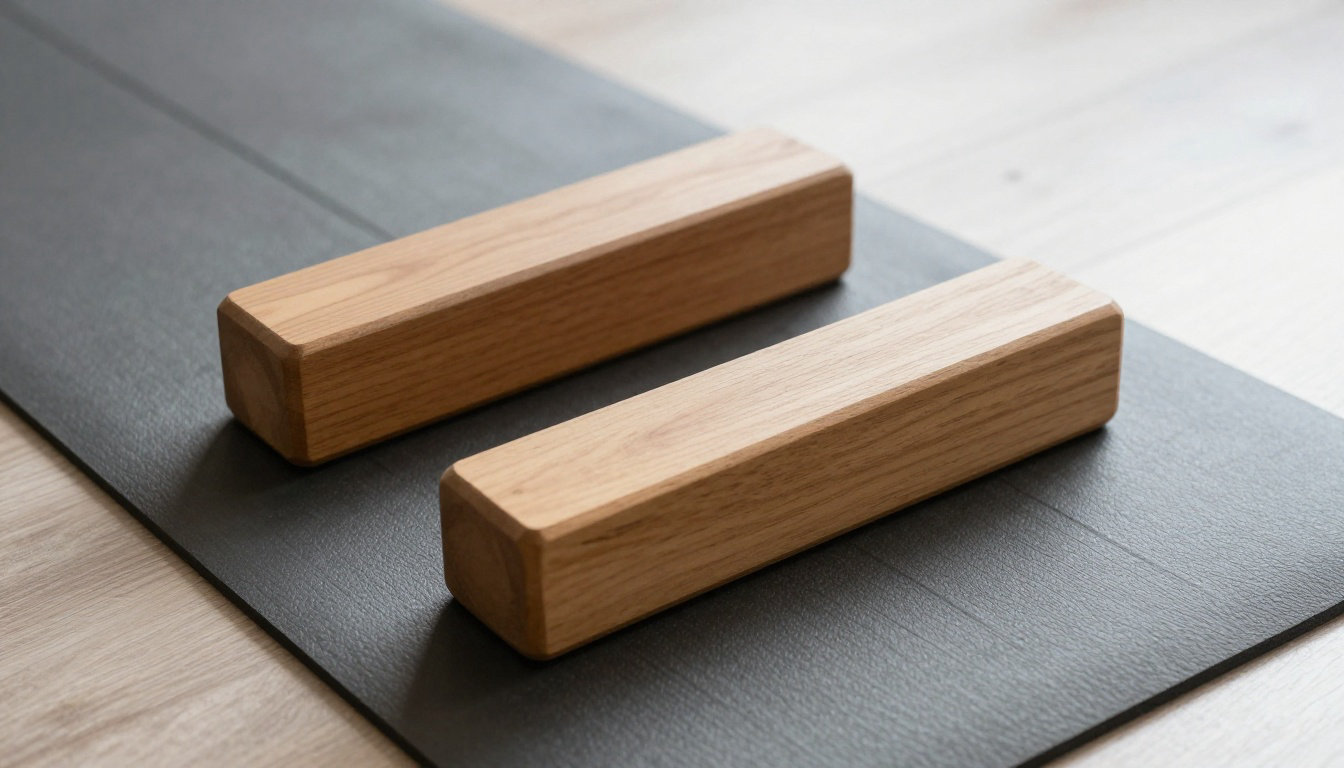
Adjusting foundational poses is vital if you have existing injuries. If you have a bad back, always bend your knees in forward folds. Listen to your body’s signals over the teacher’s instructions; pain is a red light, not a challenge.
Respect your current limits by using these modifications to practice Ahimsa (non-violence) toward yourself:
- Use blocks for hand support in lunges
- Use straps to reach feet in seated folds
- Sit on a folded blanket to tilt the pelvis forward
Progress in hatha yoga is measured by consistency, not by how deep you go. This concept of “Ahimsa” encourages respect for your current physical boundaries. By honoring these limits, you eventually expand them safely.
Establishing a Consistent Home Practice
Building a routine does not require complex gear or a massive studio. Find a quiet corner and commit to fifteen minutes every day. Consistency is far more important than the intensity or the duration of any single session.
Practicing three times a week is usually enough to notice changes. You will see improvements in flexibility and a reduction in stress levels. Over time, the habit becomes its own reward, and you will start to crave the stillness.
A home practice allows for personalized exploration of your body. You can hold poses longer or skip what doesn’t serve you. You might even use specific techniques to relieve digestive discomfort with mudras.
The best time to begin was years ago; the second best time is now. You can even learn how to practice prasanna mudra for hair growth as you build your ritual. Start your journey today.
By balancing solar and lunar energies through asanas and pranayama, you cultivate physical strength and mental stillness. Start your journey today with a simple mat to reduce stress and improve flexibility. Embracing traditional hatha yoga practices will transform your well-being and elevate your consciousness for a resilient future.