
The practice of yoga has expanded significantly, with millions of individuals worldwide adopting this ancient system to unify the physical body with mental consciousness. But how can a beginner establish a safe and effective routine without feeling overwhelmed by its complexity?
Many aspiring practitioners struggle to transition from curiosity to a consistent home practice. This article explains how to do yoga by detailing essential postures, necessary equipment, and the fundamental philosophy required to build a sustainable and mindful habit.
- Grasping How To Do Yoga Through Its Fundamentals And Core Philosophy
- Preparing Your Home Space And Selecting Basic Equipment
- Executing Foundational Poses With Proper Alignment And Safety
- Connecting Mind And Body Through Breath And Focus
- Building A Sustainable Routine And Knowing When To Join A Studio
Grasping How To Do Yoga Through Its Fundamentals And Core Philosophy
Yoga is a holistic system originating in India, uniting body and mind through the eight limbs of Patanjali. Beyond physical asanas, it integrates ethics and breath, accessible to all regardless of initial flexibility. This ancient wisdom serves as a global life path.
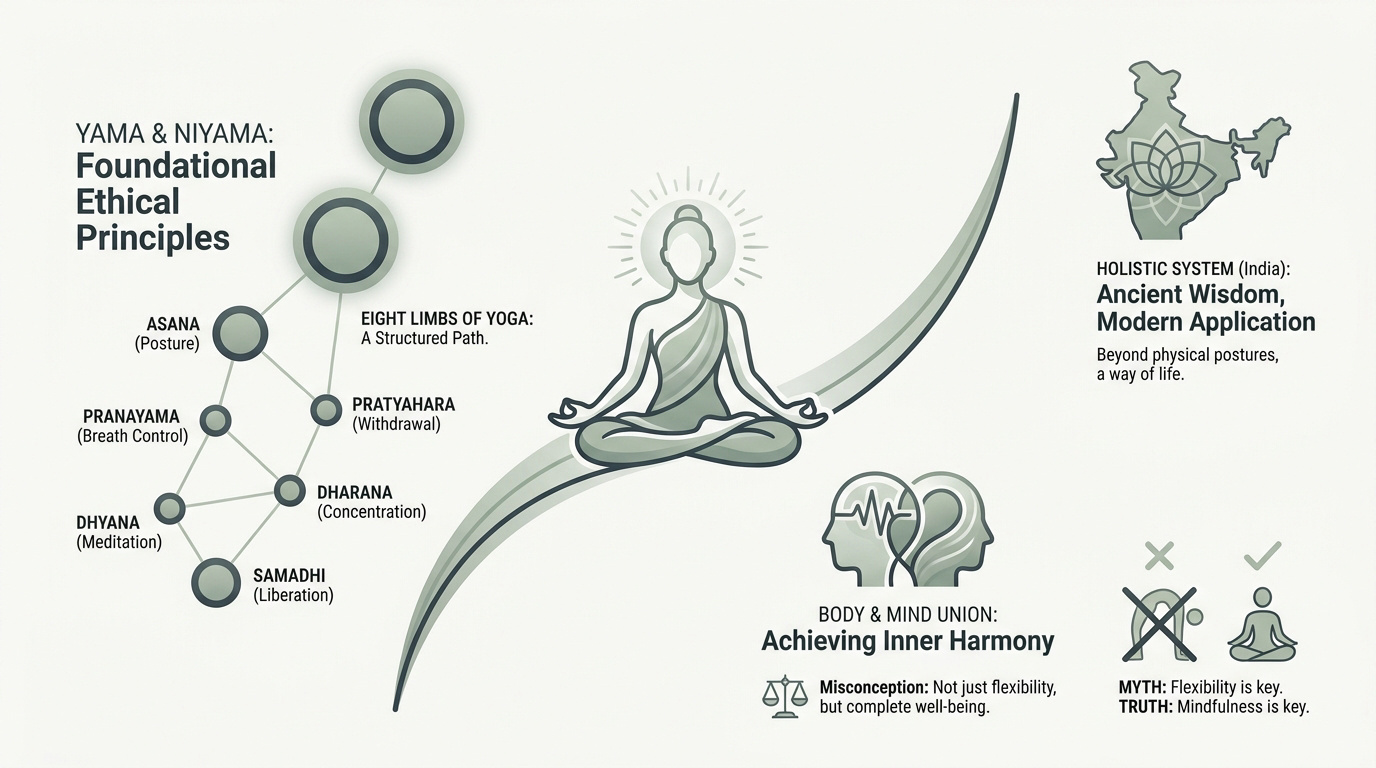
The Classical Path Beyond Physical Postures
Yoga is a holistic system from ancient India. It aims to join the physical body with consciousness through dedicated practice. This union fosters deep internal harmony.
Patanjali described eight limbs. Yama and Niyama serve as ethical foundations. These branches guide behavior and personal discipline. Postures are merely one part of this eight-fold path to spiritual awakening.
The principle of non-violence toward all living things, including oneself. In yoga practice, it means respecting physical limits and avoiding pain or force.
Apply non-violence, or Ahimsa, to your 2026 routine. Avoid forcing your body into painful shapes. Respecting your current limits is the true essence of traditional practice.
Addressing The Flexibility Myth And Physical Requirements
Many people believe they need to be flexible first. This is a common misconception. Flexibility is actually a result of the practice, not a requirement for starting.
Yoga adapts to every body type and age. You don’t need a specific shape to begin your journey today. Everyone can find a suitable entry point.
Initial mental improvements often appear within a few sessions. Physical changes like strength and balance take longer. Consistency is the main factor for progress while exploring Yoga Mudras: The Secrets of Sacred Gestures for Energy during your sessions.
Listen to your body. Results will follow naturally with patience and steady effort over time.
Preparing Your Home Space And Selecting Basic Equipment
Once the philosophy is clear, the next step involves setting up a physical environment that supports your new habit.
Creating A Functional And Quiet Home Environment
Find a spot with good natural light. Ventilation is also very important for deep breathing. A quiet corner helps maintain your mental focus during the flow.
Minimize digital distractions by leaving your phone in another room. Use a dedicated space to build a psychological trigger for practice. A clean area promotes a calm mind. This setup boosts long-term motivation for home practitioners.
Use relaxing elements like candles or essential oils to create a motivating atmosphere. Ensure the space is quiet, clear, and has natural light.
Structure is key for consistency. You should prioritize The Best Study Tools for Students to Succeed when organizing your practice space. Proper layout reduces friction.
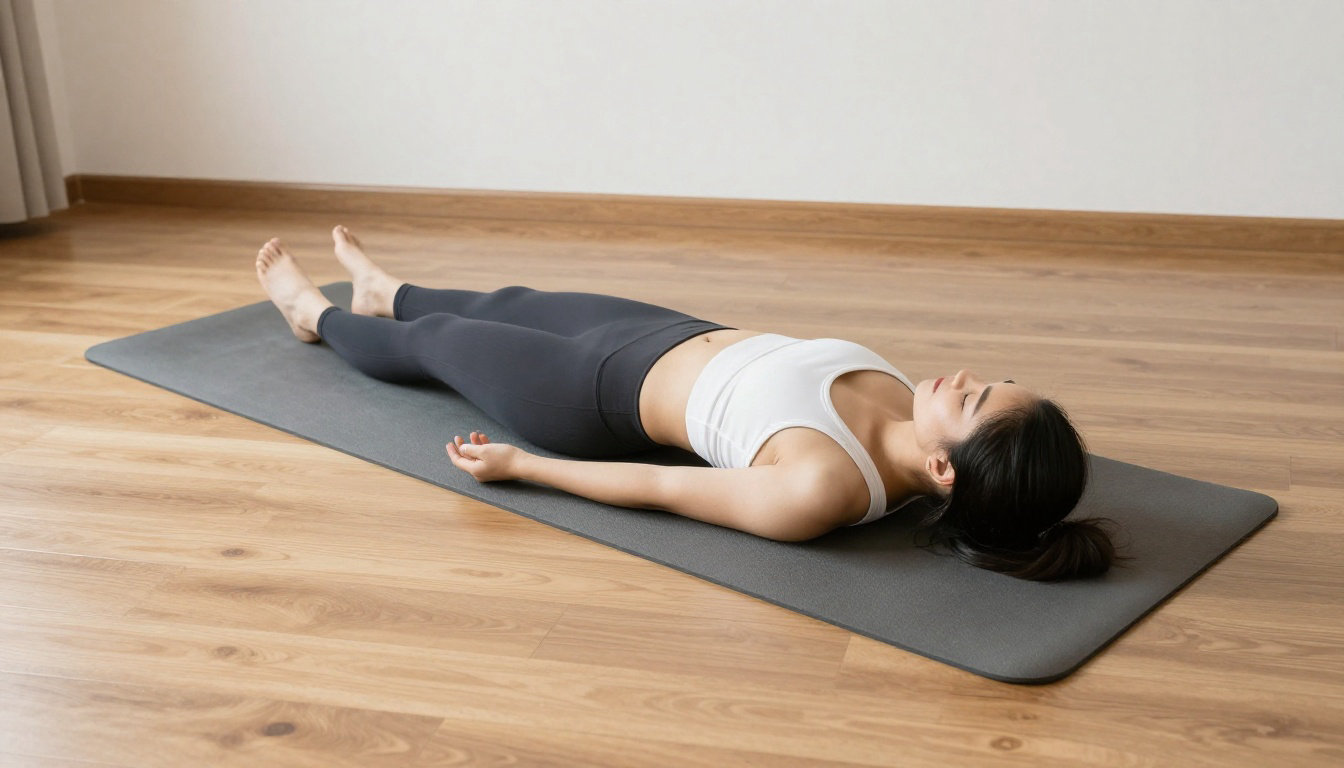
You don’t need a huge room. Just enough space to stretch your arms and legs fully.
Selecting Clothing And Basic Gear Without Overspending
Wear breathable and stretchy fabrics. These allow for a full range of motion. Avoid restrictive waistbands that might interfere with your breathing or movement.
You don’t need expensive high-end mats in 2026. Affordable beginner options provide enough grip and cushioning. Focus on functionality rather than brand names. A simple mat is a great starting point for anyone.
Practicing barefoot is traditional and helps with stability. If you prefer more grip, specialized socks are available. Most beginners find bare feet offer the best floor connection.
Choosing the right basics is the first step in learning how to do yoga effectively without wasting money on unnecessary gadgets.
- Cotton or bamboo leggings
- Non-slip yoga mat
- Water bottle
- Small towel
Executing Foundational Poses With Proper Alignment And Safety
With your space ready, let’s look at the physical movements that form the core of a safe practice.
Step-by-step Guide To Essential Standing And Grounding Postures
Start with Mountain Pose to establish balance. Keep your feet hip-width apart. Engage your core and relax your shoulders to maintain a tall, neutral spine.
Move into Downward-Facing Dog carefully. Press your palms firmly into the mat. Lift your hips high while keeping your knees slightly bent. This pose builds strength and stretches the hamstrings effectively.
Use Child’s Pose for active recovery. It provides immediate stress relief and calms the nervous system. Rest here whenever you feel overwhelmed during your session.
Using Props For Better Alignment And Injury Prevention
Yoga blocks bring the floor closer to your hands. They are essential for standing poses when reaching down. Using props ensures you maintain proper alignment without straining your back.
Straps bridge the gap in deep stretches. They help when your reach is limited by tight muscles. Don’t force a reach that isn’t there yet. Straps allow for a safe and effective stretch.
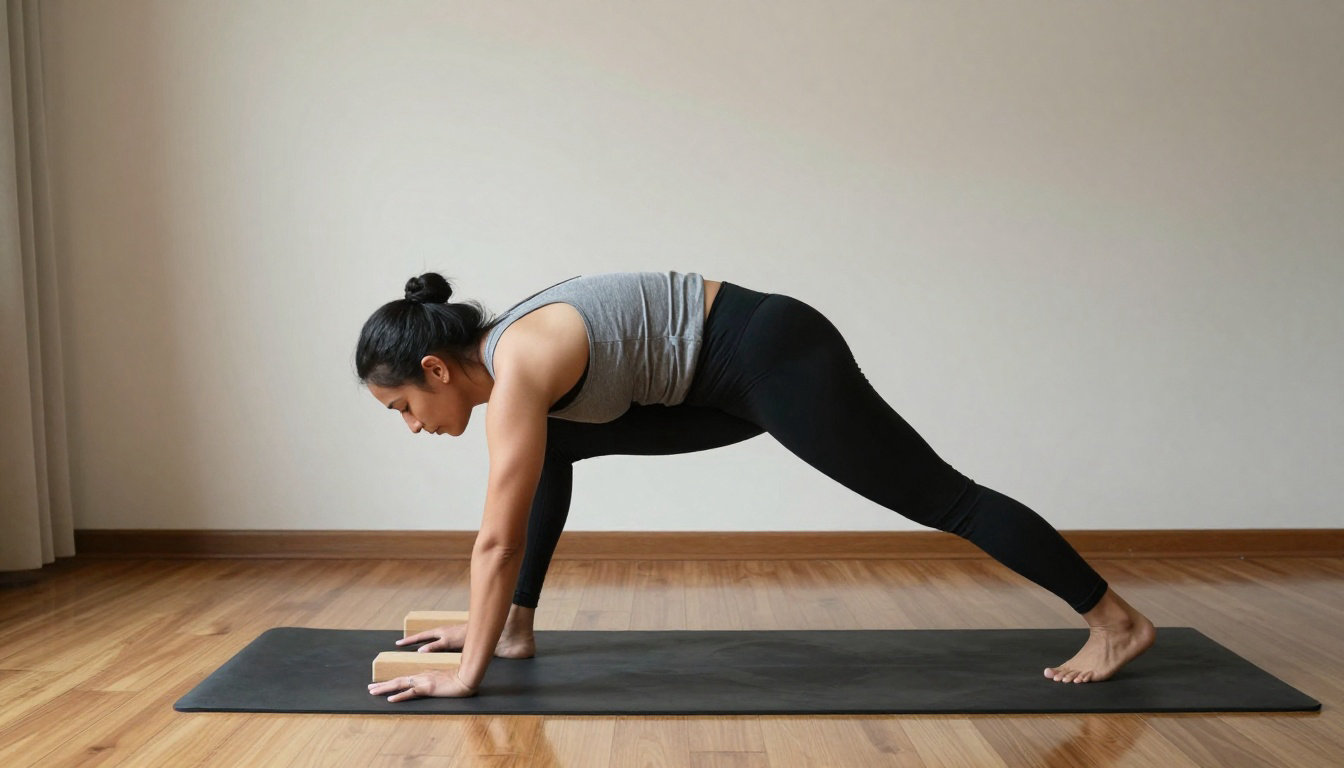
Folded blankets support the knees on hard floors. They also elevate the hips in seated positions. This simple addition makes floor work much more comfortable.
Troubleshooting Common Mistakes And Listening To The Body
Never push into sharp or shooting pain. A healthy stretch feels like a dull tension. If it hurts, back off immediately and adjust your position.
Watch for overextending your neck or lower back. Keep your gaze soft and your spine neutral. Beginners often collapse into their joints. Stay active and engaged through every movement to stay safe.
| Common Mistake | Risk | Correction |
|---|---|---|
| Holding breath | Tension and Dizziness | Focus on deep belly breathing |
| Locking knees | Joint strain | Keep a slight micro-bend |
| Rounding back | Spinal injury | Engage core and find neutral spine |
| Forcing poses | Muscle tears | Use props and respect pain limits |
Connecting Mind And Body Through Breath And Focus
Mastery of the physical poses is only half the battle; the true power of yoga lies in the breath.
Practicing Pranayama To Regulate The Nervous System
Learn basic diaphragmatic breathing to lower cortisol levels. Breathe deeply into your belly rather than your chest. This simple shift signals your brain to relax.
Steady breath helps you hold challenging poses longer. It creates a rhythm that anchors your mind. When the breath stops, the yoga stops. Always keep the air flowing smoothly through your nose. Nadi Shodhana Pranayama: Purifying the Energy Channels.
Use the Ujjayi technique for internal heat and focus. Constrict the back of your throat slightly. This creates a soft ocean sound that guides your practice.
Try simple techniques like abdominal breathing or heart coherence (cohérence cardiaque) to regulate the nervous system after your flow.
Breath control is the bridge between the body and the mind. It transforms exercise into meditation.
Incorporating Meditation And Intention Into Physical Movement
Set a Sankalpa at the start of each session. This is a positive intention or resolve. It gives your physical movement a deeper purpose and direction.
Transition from movement to quiet mindfulness slowly. Focus on the sensations in your muscles and joints. Let thoughts pass without judgment. This mental focus is just as important as the physical postures themselves.
Savasana is the final resting pose. It allows your body to integrate the benefits of the practice. Never skip this part, as it restores your energy levels.
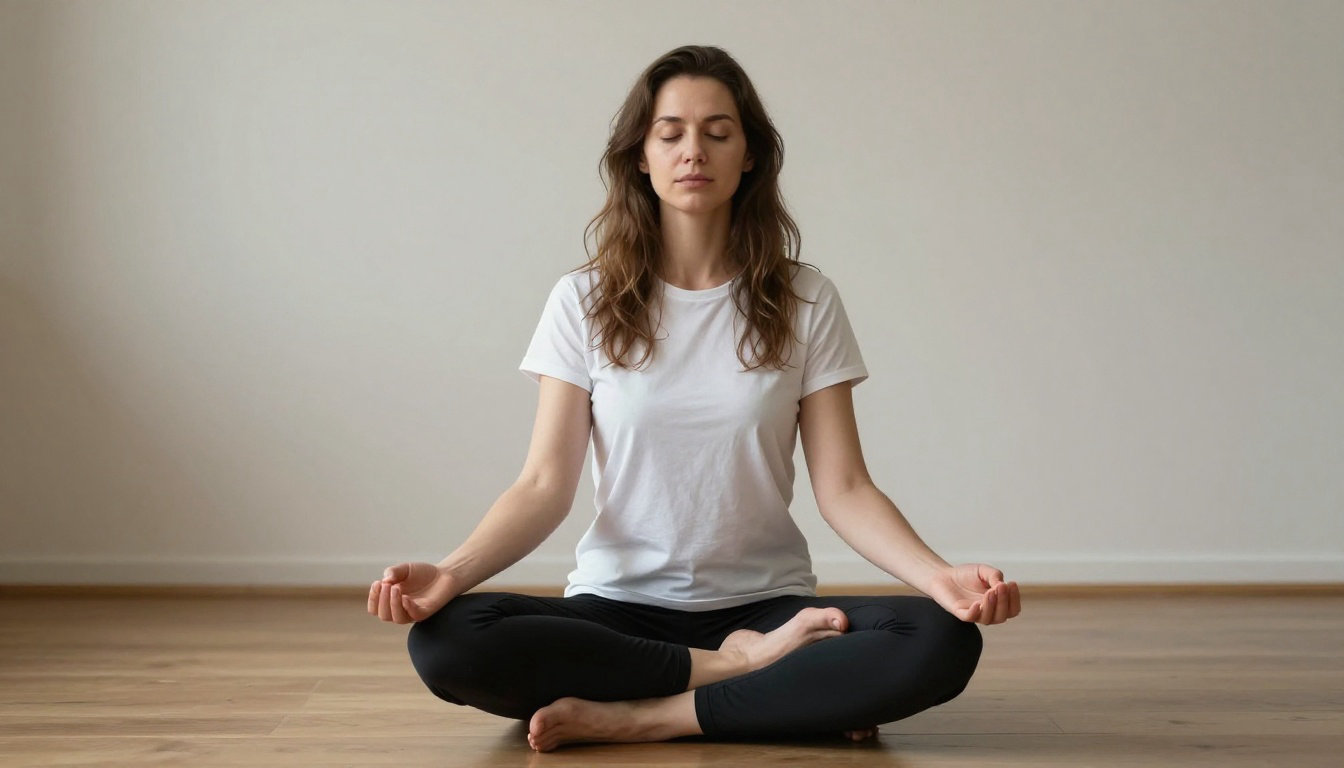
Integrating specific gestures can also support your inner balance. Learn about Mastering Mushti Mudra for emotional release and digestion for effective gestion des émotions par le geste. This helps refine how to do yoga beyond just the mats.
Building A Sustainable Routine And Knowing When To Join A Studio
Once you have the basics down, the final challenge is making yoga a permanent part of your life.
Sequencing A Balanced 10 To 20 Minute Home Flow
Start with gentle warm-ups like cat-cow stretches. Move toward peak poses like lunges or planks. Always finish with a cool-down and a short rest.
A short morning routine can boost your energy levels significantly. Focus on sun salutations to wake up the body. Hatha is slower and focuses on holding poses. Vinyasa flows more quickly between movements.
Yin Yoga and Hatha Yoga are ideal for evening sessions to unwind.
Vinyasa and Power Yoga provide dynamic flows perfect for mornings.
Choose the style that fits your energy for the day. Consistency matters more than the specific sequence you choose. Keep it simple and enjoyable.
Setting Realistic Goals For Long-term Consistency
Practice three times a week to see results without burnout. Short daily sessions are better than one long weekly class. Small steps lead to lasting habits.
Stay motivated by tracking how you feel after each session. Even ten minutes counts on busy days. Don’t let perfectionism stop your progress. Just show up on your mat regularly.
Learn how to use hand mudras for health and energy balance to maintain l’engagement quotidien. These small additions keep your practice fresh. Focus on the internal connection every single day.
Moving From Home Practice To Professional Studio Settings
Join a studio when you want professional feedback. An instructor can correct your alignment and offer modifications. This helps prevent injuries and deepen your practice.
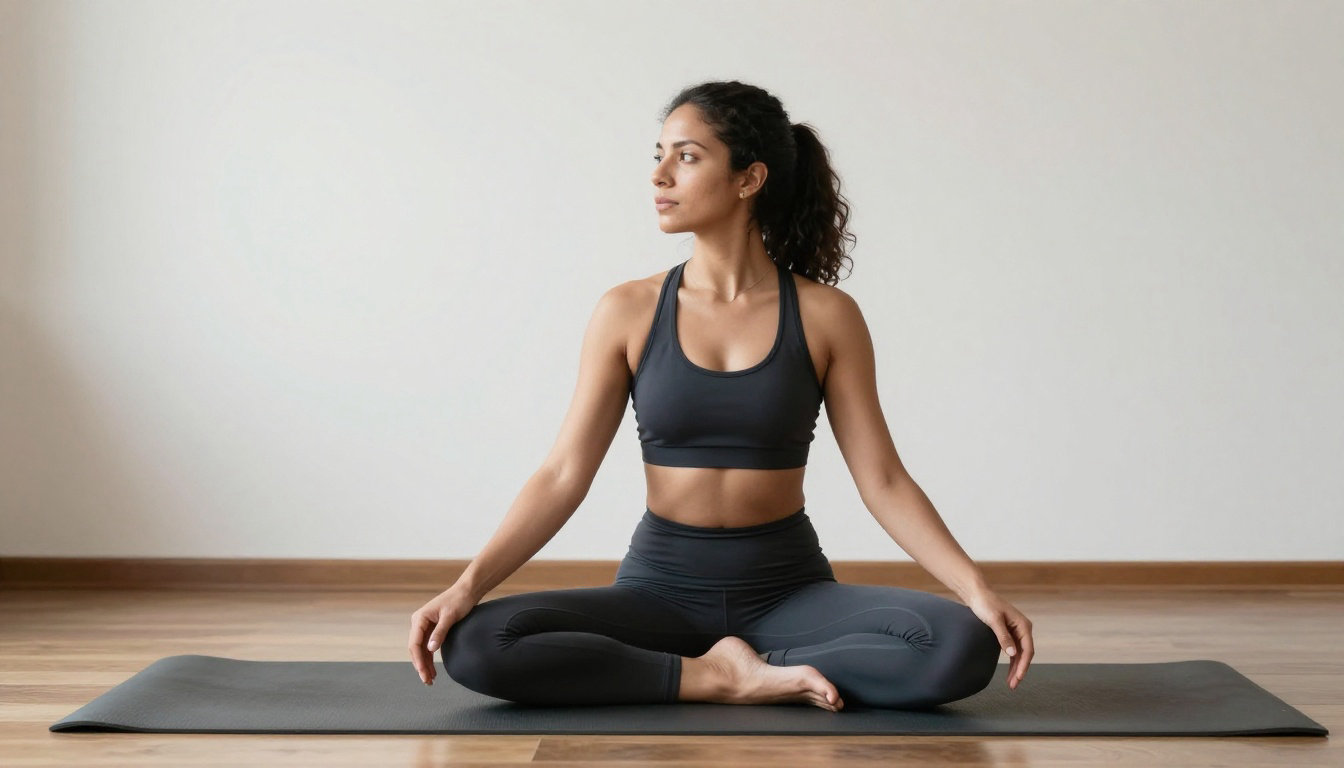
Choose a studio based on the teacher’s experience and style. Visit a few different classes to find the right fit. A welcoming community environment can be very inspiring. Look for a space where you feel safe.
Respect studio etiquette by arriving early and staying quiet. Community practice offers a unique energy you can’t get at home. It’s a great way to meet like-minded people. Enjoy the collective focus of the room.
By establishing a dedicated space and mastering foundational poses like Mountain or Downward Dog, you integrate physical alignment with breath control. Consistency in your routine ensures long-term progress and mental clarity. Start your journey today to transform your well-being through the timeless art of how to do yoga. Your path to balance begins now.