
Originating from the teachings of Krishnamacharya in India, vinyasa yoga has become a prominent method for those seeking a dynamic and fluid physical practice. This style is defined by a continuous flow of movements where each transition is synchronized with a specific inhalation or exhalation.
However, many practitioners struggle to maintain the necessary focus and endurance during these demanding sequences. This article examines the core principles of the practice and the physiological benefits of the moving meditation to help you establish a consistent routine.
- Understanding the Principles of Vinyasa Yoga
- Physiological and Mental Impacts of Practice
- Fundamental Differences Between Vinyasa and Hatha
- Practical Advice for Establishing a Home Practice
Understanding the Principles of Vinyasa Yoga
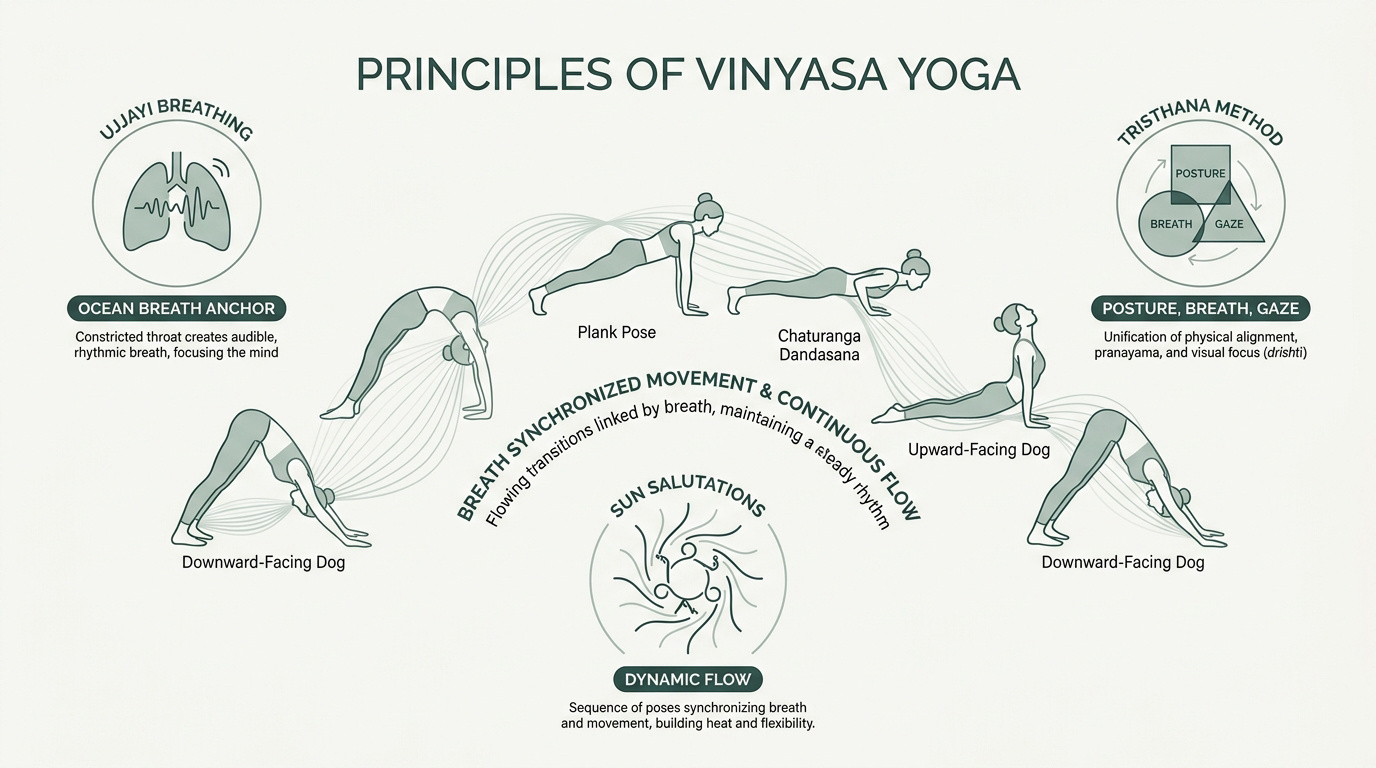
Vinyasa yoga synchronizes breath with continuous movement, utilizing the tristhana method—posture, breath, and gaze. This dynamic practice improves cardiovascular health and functional strength through sequences like Sun Salutations, centered on the foundational Ujjayi breath technique.
The three pillars of practice: posture (asana), breathing technique (pranayama), and gaze point (drishti).
The mastery of the flow begins with the control of the glottis, leading us to examine how the ocean breath stabilizes every transition.
The Role of Ujjayi Breathing as an Anchor
Ujjayi breathing involves a subtle constriction of the throat during cycles of air. This mechanical adjustment slows the flow, creating a distinct, rhythmic sound like distant waves. Consequently, this whisper serves as a vital focal point for the practitioner’s mind.
Inhalations typically accompany upward movements, while exhalations guide folds or downward transitions. This deliberate synchronization generates significant internal heat throughout the body. Such warmth is a byproduct of the tristhana method during active sequences.
Consistent breath maintains focus during difficult poses. It effectively prevents the mind from wandering off the mat.
Beyond the breath, the structure of the practice itself has shifted from rigid traditions to the creative freedom seen in modern studios.
Historical Roots and the Evolution of Flow
The lineage traces back from Krishnamacharya to modern Western styles. Vinyasa eventually evolved from the rigid structure of Ashtanga. Today, this heritage allows for far more creative and diverse sequencing.
The practice embodies the philosophy of impermanence. Each pose remains temporary, mirroring the natural flow of life. Movement then becomes a tangible metaphor for change and the act of letting go.
Modern instructors often mix different traditions and Yoga Mudras: The Secrets of Sacred Gestures for Energy. This flexibility makes the practice accessible to various body types. It prioritizes individual experience over strict dogma.
Physiological and Mental Impacts of Practice
While the history provides context, the real draw for many is how the body and mind respond to the flow.
- Heart Rate: Sustained elevation for cardiovascular conditioning.
- Cortisol: Measurable reduction in stress hormones after 8 weeks.
- Core Stability: Significant improvement through functional transitions.
Cardiovascular Health and Muscle Development
Continuous movement significantly impacts the heart. The vinyasa yoga method keeps the heart rate elevated throughout the session. This provides a steady cardiovascular workout. It is more intense than traditional Hatha.
Transitions between poses build functional strength. Moving between these postures requires significant core stability. It tones muscles without the need for heavy weights. This leads to cardiovascular and functional strength benefits.
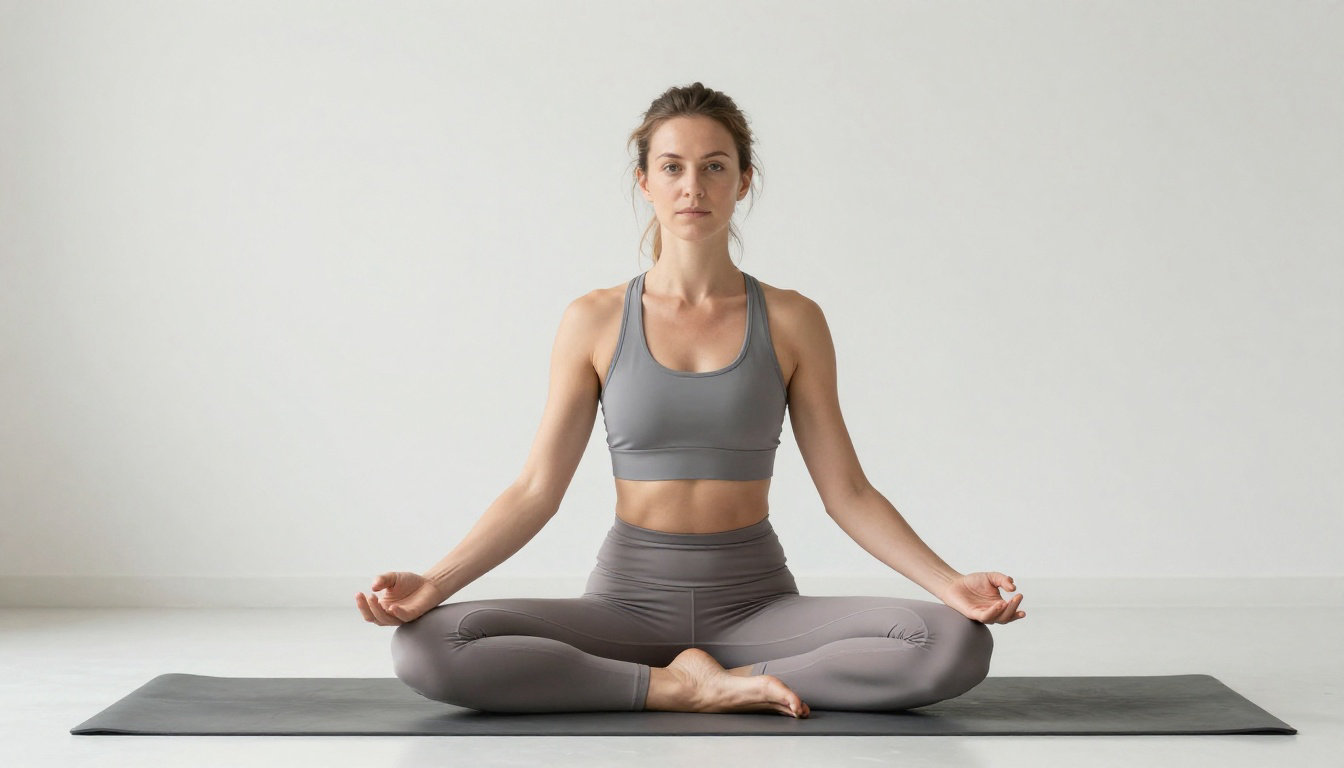
Regular practice assists metabolic health. It helps with weight management and endurance. You might also explore a How to use mudra for weight gain and mass.
Mental Clarity and the Moving Meditation Concept
Focused movement calms the nervous system. This process helps lower cortisol levels effectively over time. It reduces the body’s physiological response to stress.
The “flow state” improves cognitive function and clarity. The practitioner becomes fully present in the moment. This immersion creates a sharp mental focus.
Moving meditation offers a break from daily anxieties. It fosters a deep sense of internal peace. For further energetic balance, consider Nadi Shodhana Pranayama: Purifying the Energy Channels.
Fundamental Differences Between Vinyasa and Hatha
Understanding these benefits is great, but choosing the right style depends on comparing Vinyasa with its slower counterpart, Hatha.
Comparing Pace and Structural Variations
Hatha yoga maintains a static nature. This practice focuses on holding individual poses for several breaths. Vinyasa yoga emphasizes the flow between those poses instead.
Sequencing logic differs significantly between styles. Vinyasa classes vary every time based on the teacher’s creativity. Hatha often follows a more predictable and slower rhythm.
Identify which style suits specific physical goals. Choose Vinyasa for sweat and cardiovascular movement. Pick Hatha for precise alignment and deep relaxation.
| Feature | Vinyasa | Hatha |
|---|---|---|
| Pace | Fast | Slow |
| Transition Style | Continuous | Static |
| Focus | Flow | Alignment |
| Difficulty for Beginners | Moderate | Easy |
| Breath Work | Ujjayi | Variable |
Common Postures and the Sun Salutation Core
Proper alignment in Chaturanga and Upward Dog is vital. These movements are the building blocks of most flows. Correct form prevents unnecessary shoulder strain. Always keep the elbows tucked close to the ribs.
Sun Salutations serve as the structural base for the entire class. These sequences warm up the body quickly. They establish a consistent connection between breath and movement.
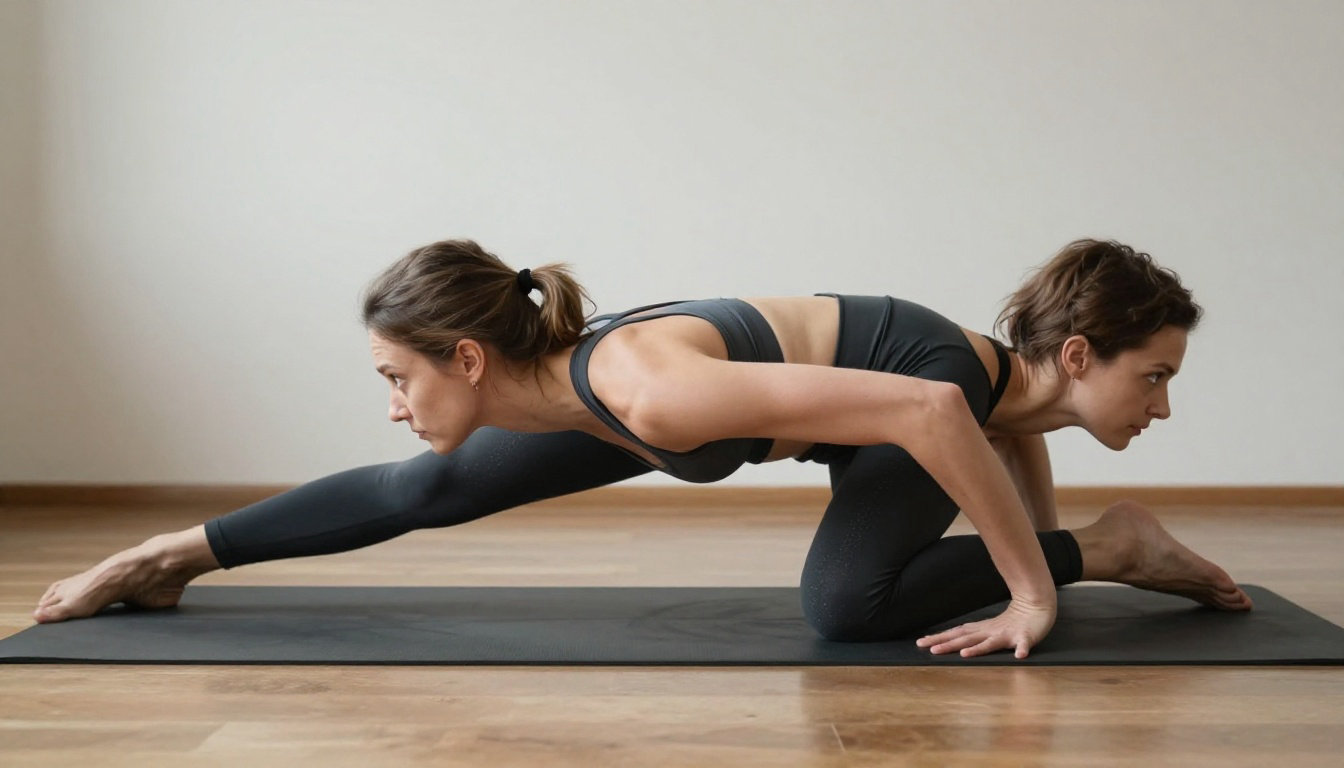
Modifications accommodate various physical limitations. Use knees on the floor for Chaturanga. This keeps the practice safe for everyone.
Practical Advice for Establishing a Home Practice
Once you know the moves, the next logical step is bringing that energy into your own living space.
Safety Precautions and Alignment Tips
Provide techniques to protect wrists. Spread your fingers wide on the mat. Distribute weight evenly across the palm to avoid pain.
Look for clear cues and safety warnings from online instructors. A good teacher explains the “why” behind movements. This prevents bad habits from forming.
Stop if you feel sharp pain. Rest in Child’s Pose whenever needed.
- Shortness of breath
- Sharp joint pain
- Dizziness
- Loss of form
Tip: Spread fingers wide to protect wrists.
Necessary Equipment and Space Preparation
Suggest essential tools for home. A high-grip mat is the most important investment. Blocks and straps help with reach and alignment.
Consistency over duration: start with 15-minute flows. Essential gear: high-grip mat, blocks, and straps.
Clear enough space to move freely. Dim the lights or play soft music to set the mood. You can also relieve digestive discomfort with mudras for constipation or try mastering Mushti Mudra for emotional release and digestion.
Start with short 15-minute flows. Consistency is more important than duration when you are beginning. This approach makes vinyasa yoga a sustainable part of your daily routine.
Mastering Vinyasa flow requires synchronizing the Ujjayi breath with dynamic movement to build functional strength and mental clarity. By integrating these principles into your daily routine, you will quickly experience enhanced cardiovascular health and a profound sense of internal peace. Start your practice today to transform your physical endurance and achieve a lasting state of moving meditation.