
Research indicates that practicing yoga while seated can effectively lower cortisol levels and improve joint mobility without the fall risks associated with traditional mat exercises. This accessibility is particularly beneficial for seniors or individuals with physical limitations who find standing postures challenging. Many people struggle to maintain a consistent activity routine due to sedentary work environments or reduced balance.
This article examines the principles of chair yoga and provides a structured guide to fundamental poses for enhancing your daily physical and mental well-being. We will explore how these gentle movements support long-term functional health and stress management.
- Understanding the Principles of Chair Yoga Practice
- 4 Physical and Mental Benefits of Seated Movement
- Fundamental Chair Yoga Poses for Daily Practice
- Safety Guidelines and Equipment for Home Practice
Understanding the Principles of Chair Yoga Practice
Chair yoga adapts traditional postures to a seated position, offering a low-impact alternative for seniors and office workers. It effectively reduces cortisol levels and improves joint mobility without the fall risks associated with mat-based practices. This accessibility makes it a vital tool for maintaining functional health in limited spaces or sedentary environments.
Chair yoga is a practice that allows yoga exercises to be performed while seated, specifically adapted for those with difficulty standing or lying down.
The focus on accessibility leads directly into how specific poses are modified for those with limited mobility.
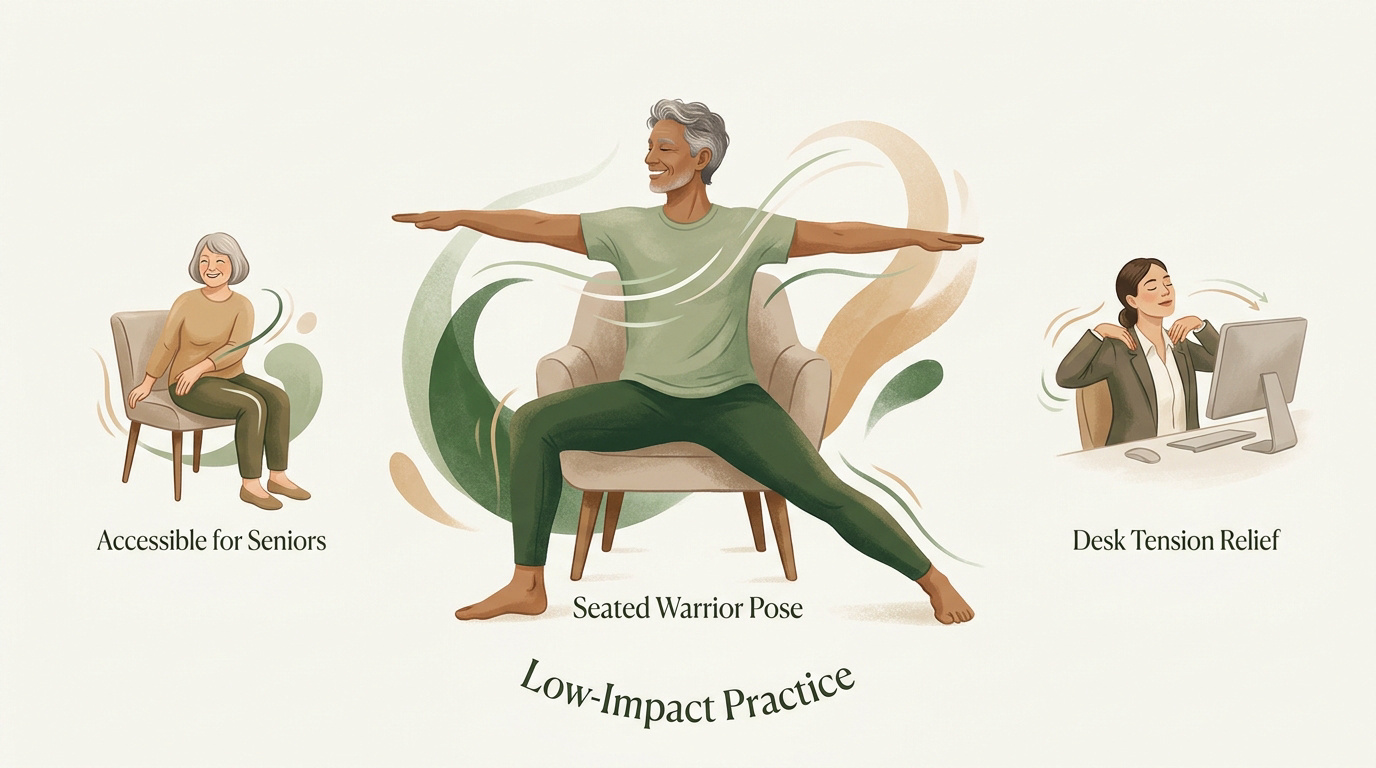
Adapting Traditional Postures for Limited Mobility
Standing poses like the Warrior series translate easily into a seated format. Practitioners use the chair for leverage and stability during movements. This modification specifically supports seniors or individuals managing chronic fatigue. It ensures safety while building strength.
Sedentary professionals benefit from these adaptations. The movements target desk-related tension in the shoulders and back. No special attire or large space is required for these movements.
Distinguishing Seated Practice from Mat-Based Yoga
A chair provides inherent stability. This differs from the core-heavy balance required on a traditional yoga mat.
Seated practice reduces joint impact. It is safer for those with knee or hip issues. The chair offers support to the lower back.
This method provides a mind-body practice without the risk of falling. It remains an inclusive way to stay active.
4 Physical and Mental Benefits of Seated Movement
Beyond the structural adaptations, the physiological impact of these gentle movements offers a compelling case for daily practice.
Enhancing Flexibility and Muscle Strength
Seated stretches effectively increase the range of motion in shoulders and hips. Isometric holds specifically tone muscles without joint strain. These physical improvements are vital for maintaining long-term independence. Consistent practice ensures better mobility for daily tasks.
This method provides significant benefits for osteoarthritis and pain management. It reduces fatigue in seniors. Gentle engagement helps stabilize weakened joints safely.
Targeted stretches for shoulders and hips improve joint range.
Isometric holds build tone in the legs and core.
Impact of Proprioception on Fall Prevention
Seated coordination exercises enhance spatial awareness. This better sense of body position directly reduces the risk of trips.
Gentle movements retrain the nervous system effectively. This brain-body connection is vital for older adults maintaining mobility. It builds the confidence needed for safer movement.
Such training is essential for the prevention of functional decline. It preserves autonomy and balance over time.
Enhanced proprioception leads to better real-world stability.
Lower cortisol levels promote a calm nervous system.
Managing Stress and Psychological Well-being
Rhythmic movement lowers cortisol levels quite effectively. This process calms the nervous system during the session. It offers a necessary mental break from daily stressors.
Practicing chair yoga fosters a sense of accomplishment. This leads to noticeable improvements in mood and cognitive clarity.
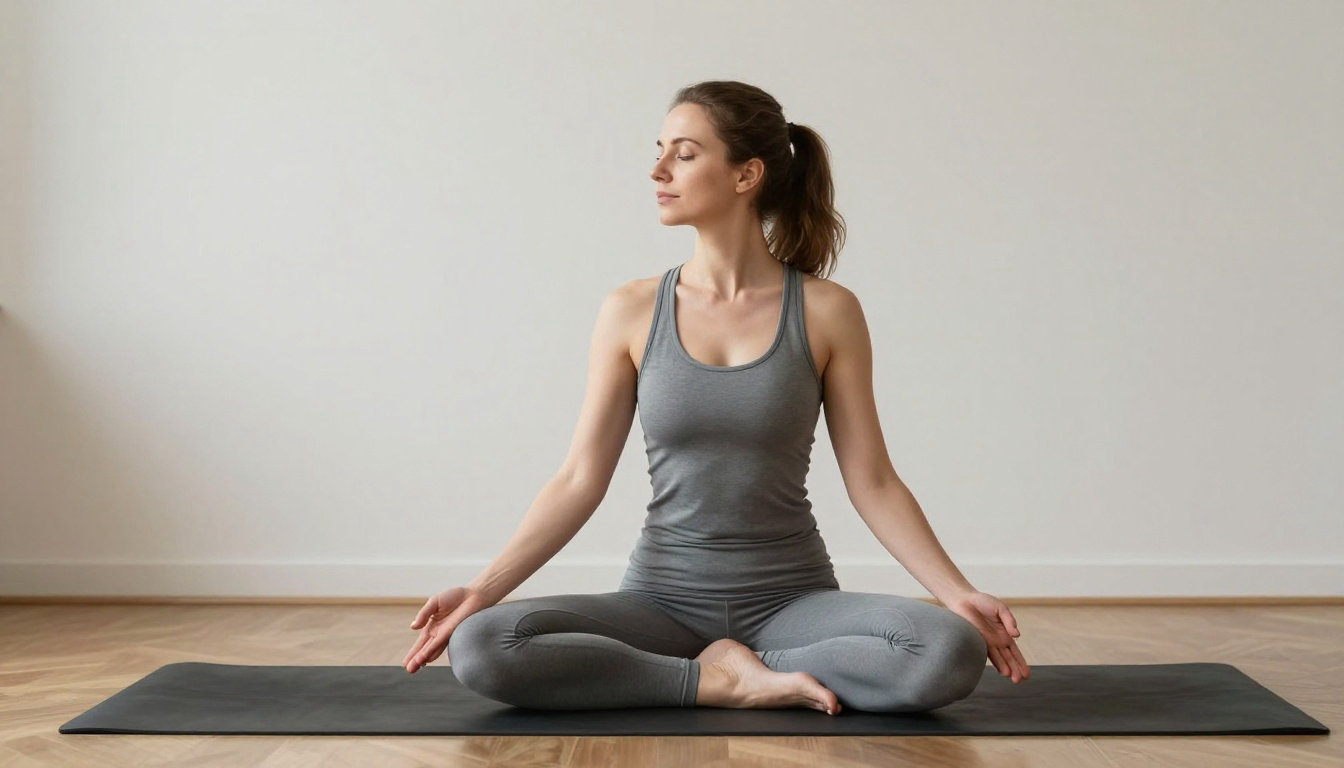
Integrating a natural approach to managing emotions enhances inner peace. It helps regulate feelings of anxiety and frustration.
Fundamental Chair Yoga Poses for Daily Practice
While the benefits are clear, the true value lies in the execution of specific, foundational poses that anyone can master.
Mastering Seated Mountain and Spinal Twists
Sit on your chair with feet flat on the floor. Keep your spine tall and shoulders relaxed. This pose builds the foundation for all other movements.
Lengthen your spine before initiating the twist. Use the chair back for gentle support during rotation. This movement aids digestion and spinal health. Breathe deeply throughout the motion.
- Feet flat on the floor
- Shoulders relaxed and down
- Spine reaching toward the ceiling
- Hands resting on thighs
Keep feet flat on the floor, shoulders relaxed, and spine reaching toward the ceiling during seated poses.
Safe Execution of Forward Bends
Guide your body through a safe forward flexion. Move from the hips rather than the waist. This protects the lower back from unnecessary strain.
Keep the chest slightly lifted to avoid compression. This modification is helpful for those recovering from hip or back surgery.
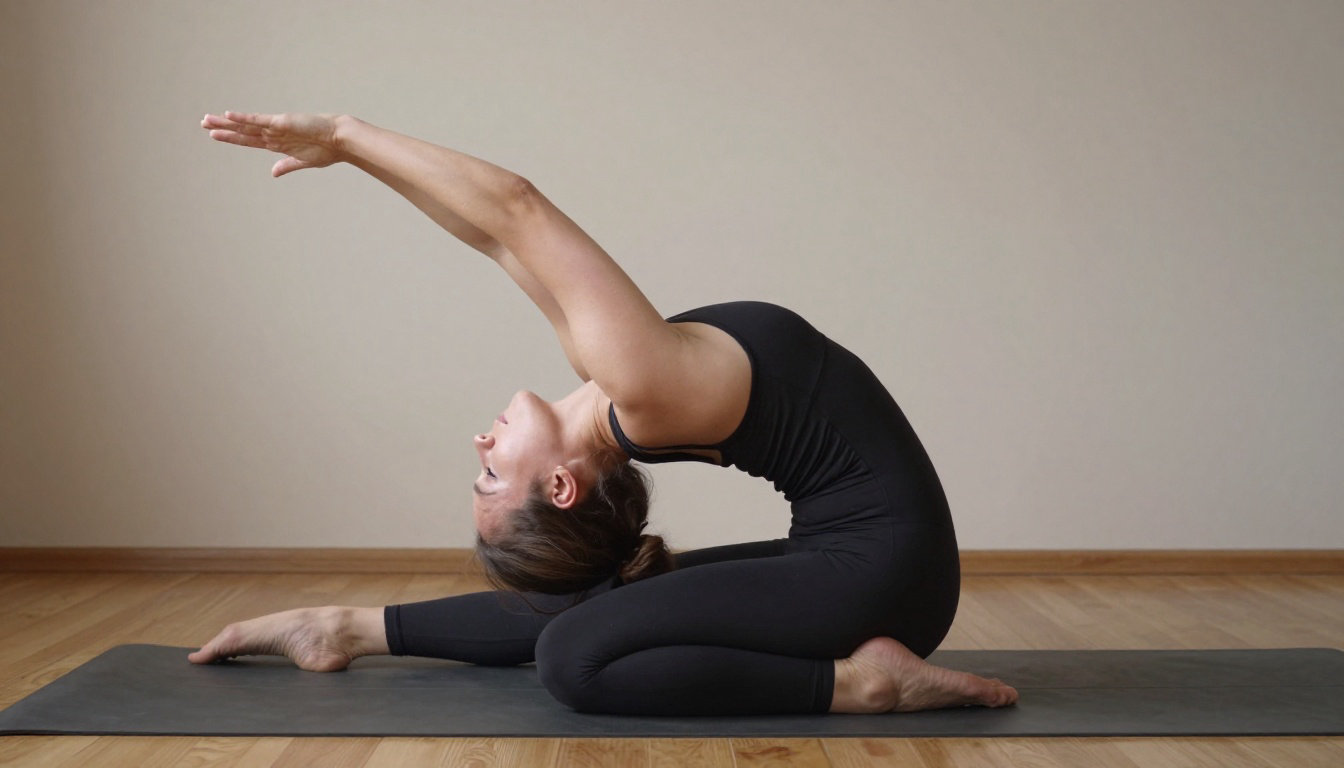
Focusing on controlled movements during these stretches can provide significant digestive relief. Practice these bends with patience.
Integrating Breathing and Mindfulness Techniques
Conscious breathing deepens the physical practice. Focus on slow, nasal inhalations. This connects the mind to the physical sensations of the body.
Deep belly breathing is particularly effective for calming the heart rate. Use these specific patterns to enhance relaxation.
You might also explore purifying breathing techniques to further center your mind. Consistency will improve your overall chair yoga experience.
Safety Guidelines and Equipment for Home Practice
To ensure these poses remain beneficial, you must set up your environment with the right tools and safety mindset.
Selecting Equipment for Optimal Spinal Support
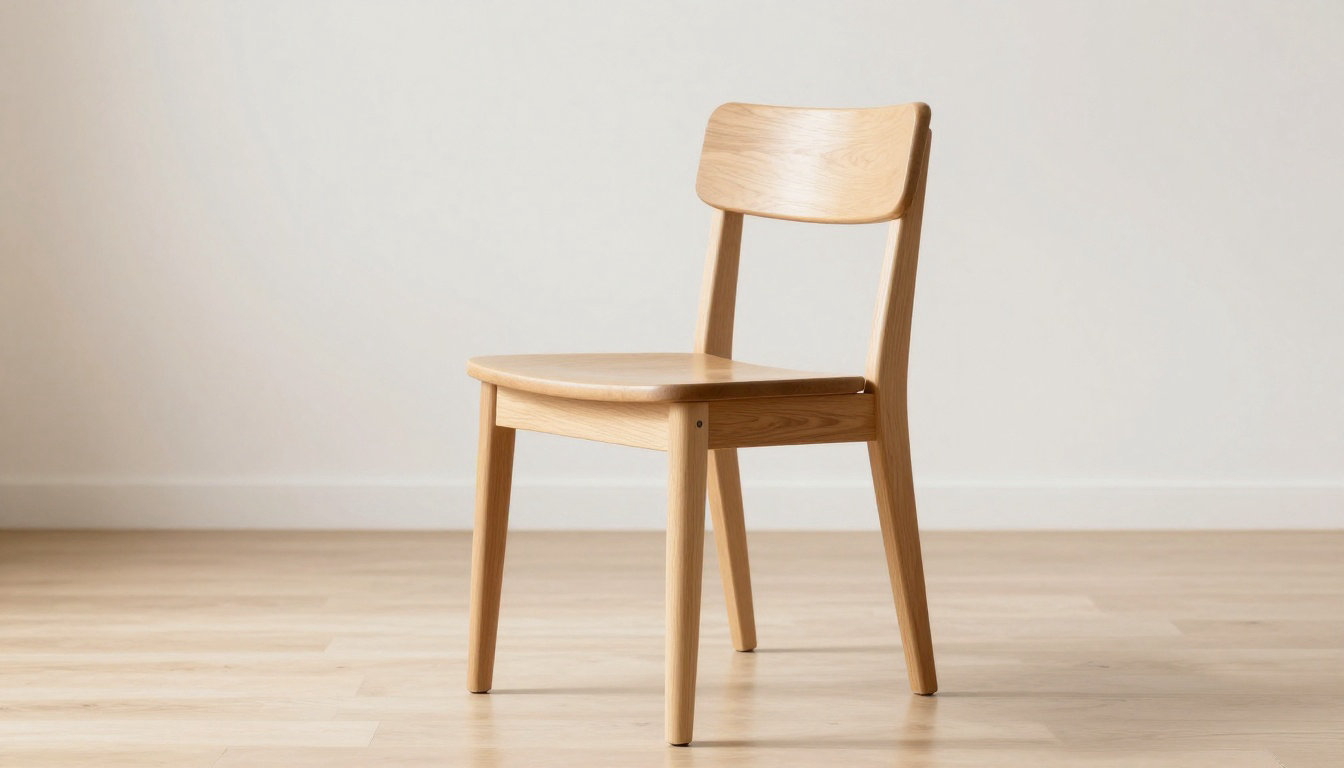
Choose a stable, armless chair with a flat seat. Avoid wheels or excessive padding. Stability is your first priority for a safe home session.
Ensure your feet reach the floor comfortably. Use a block or book if the chair is too high.
| Feature | Ideal Specification | Why it Matters |
|---|---|---|
| Wheels | No wheels | Prevents sliding or falling |
| Armrests | Armless | Allows freedom of movement |
| Seat Surface | Flat/Firm | Supports proper spinal alignment |
| Stability | Non-slip legs | Ensures the chair stays grounded |
Modifying Movements for Chronic Conditions
Consistency is more important than intensity. Practice for ten minutes daily to see real physical results. Small, frequent sessions build lasting habits.
Create a dedicated space even in small apartments. Clear away distractions to focus entirely on your movement and breath.
For more details on adapting yoga to health conditions, consult specific medical guidelines. Safety remains paramount when practicing chair yoga.
Integrating chair yoga into your daily routine enhances flexibility, muscle strength, and emotional balance while ensuring joint safety. By mastering seated twists and proper alignment, you secure long-term physical independence. Start your ten-minute practice today to transform your well-being and embrace a future of pain-free, mindful movement.