
Traditional yoga practices offer significant mental health benefits, yet modern activewear often creates a physical and psychological barrier between the practitioner and their environment. By removing these material constraints, individuals can foster radical self-acceptance and intensify their sensory feedback during each movement. Many practitioners find that restrictive clothing frequently limits their range of motion and obscures the precise postural alignment necessary for advanced techniques.
This article examines the therapeutic principles of nude yoga and provides practical guidance for establishing a secure, hygienic home practice. We will explore how this clothing free approach enhances proprioception and supports somatic healing through mindful movement.
- The Core Principles and Philosophy of Nude Yoga
- Physical and Psychological Advantages of Clothing-Free Movement
- Practical Steps for a Secure and Hygienic Home Practice
- Getting Started With Basic Poses and Beginner Techniques
The Core Principles and Philosophy of Nude Yoga
Nude yoga, or Nagna Yoga, prioritizes radical self-acceptance by removing textile barriers to enhance body positivity. This therapeutic practice distinguishes itself from adult content through somatic healing, focusing on breathwork and sensory feedback.
The traditional Sanskrit term for nude yoga, emphasizing spiritual purity and the removal of material barriers to connect with the divine self.
Transitioning from the general concept, let’s explore how these principles manifest in daily practice through the lens of self-acceptance and historical roots.
Radical Self-Acceptance and the Removal of Material Barriers
Shedding clothes acts as a powerful psychological tool. It strips away social status and fashion labels. This process fosters a raw, honest body positivity that ignores societal standards.
Modern holistic practices have reclaimed ancient traditions. Traditional yoga often involved minimal clothing for spiritual purity. Today, we use this absence to reconnect with our skin. It creates a deep, authentic bond with the self.
Removing textiles eliminates physical distractions during practice. You feel the air and the mat directly. This sensory immersion anchors you in the present moment effectively, reflecting the transformative experience of naked yoga.
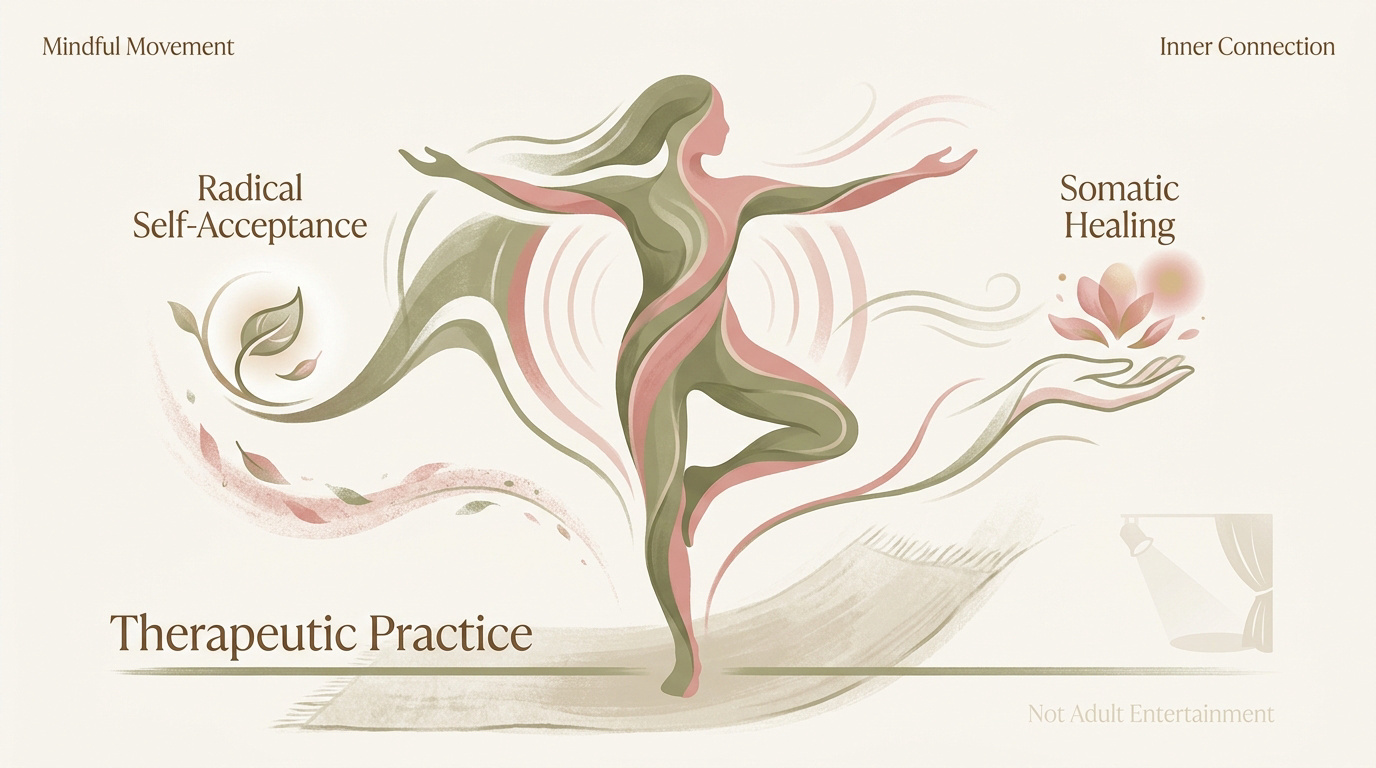
The Clear Boundary Between Therapeutic Practice and Adult Entertainment
Professional nude yoga is strictly non-sexual. The intent is purely therapeutic and meditative. It focuses on internal energy rather than external aesthetics or visual performance.
Somatic healing takes precedence over visual performance. Practitioners prioritize mental presence and nervous system regulation. The goal is to cultivate a deeper connection with the physical body.
Communal wellness spaces maintain strict boundaries. They differ significantly from commercial adult content platforms. The atmosphere is one of mutual respect and safety. Participants share a journey toward collective vulnerability and strength.
Physical and Psychological Advantages of Clothing-Free Movement
Beyond the philosophical shift, the physical reality of moving without fabric offers unique biofeedback that traditional classes simply cannot match.
Increased Sensory Feedback and Improved Postural Alignment
Skin-to-mat contact drastically improves your proprioception. You feel every slight shift in weight. This immediate feedback helps refine your balance instantly.

Observing muscle engagement is easier without leggings or shirts. You can see the quadriceps fire or the spine align. This visual clarity allows for precise postural adjustments. It prevents common injuries caused by poor form.
Restrictive activewear often limits your full range of motion. Removing it allows for total freedom during deep stretches.
Overcoming Body Shame Through Somatic Exposure and Mindfulness
Constant exposure to your own nudity desensitizes body shame. You begin to view your form as a functional vessel. Judgment slowly fades into neutral observation.
Breathwork is vital for regulating the nervous system. It calms the initial anxiety of being exposed. Deep exhales help release stored emotional tension.
Regular practice builds lasting self-esteem and confidence. It reduces social anxiety regarding body image. You learn to appreciate your body’s unique capabilities and find liberation from societal judgments.
Practicing nude yoga facilitates a profound shift from aesthetic judgment to functional appreciation, accelerating neuroplastic development through direct visual and sensory feedback.
Practical Steps for a Secure and Hygienic Home Practice
To reap these benefits, you must first establish a controlled environment where safety and cleanliness are the top priorities.
Setting Up a Private Sanctuary for Focused Sessions
Ensure total privacy by checking window coverings. Use a dedicated space where interruptions are impossible. This security allows for deeper mental immersion.
Temperature control is essential for a comfortable session. Aim for a warm room to keep muscles supple. Soft lighting can also reduce self-consciousness. These factors help create a non-judgmental atmosphere for yourself.
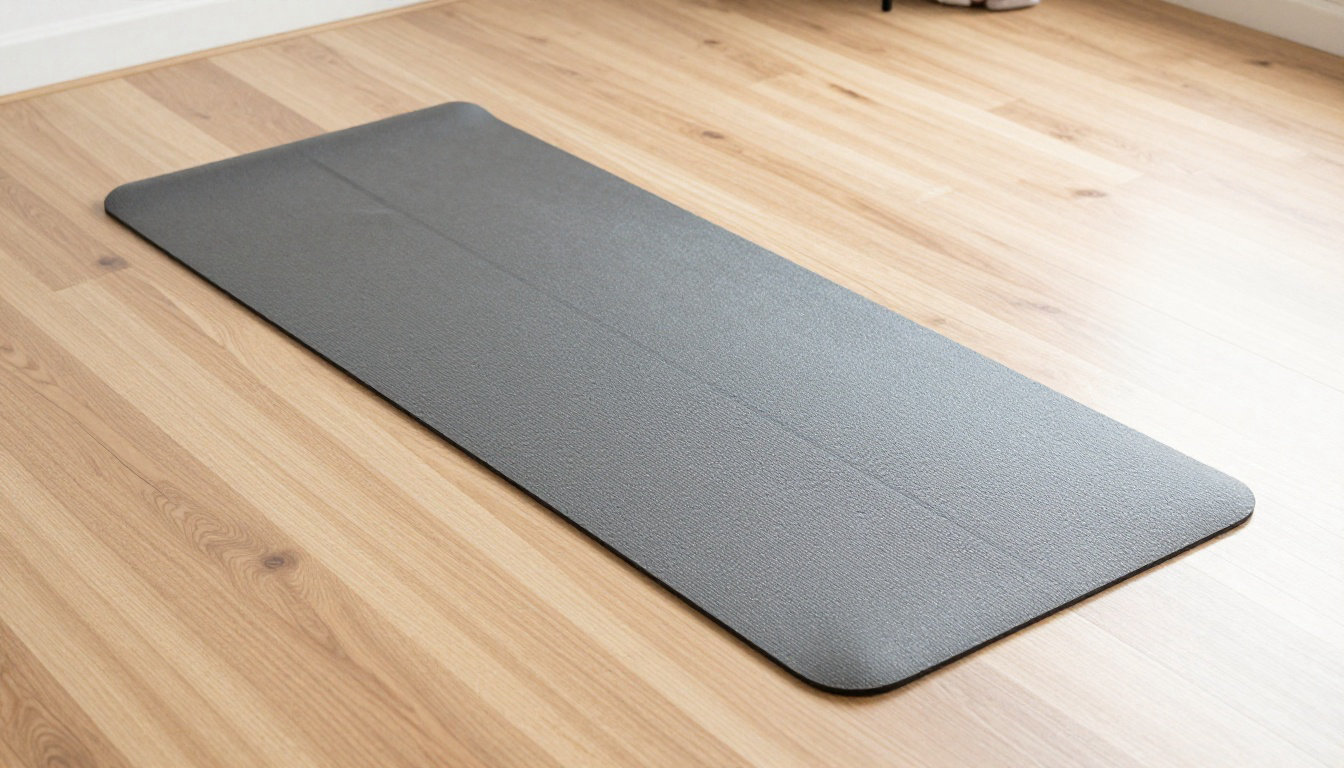
Silence your phone. Focus entirely on your breath and movement.
- Blackout curtains or blinds
- Room temperature between 22-25°C
- Dimmable lighting or candles
- High-quality natural fiber yoga mat
Essential Hygiene Protocols and Equipment Care for Skin Contact
Clean your mat immediately after every naked session. Sweat and oils accumulate faster without clothing. Use a gentle, effective cleaning routine.
Natural disinfectants like tea tree oil are excellent. They are safe for direct skin contact. Avoid harsh chemicals that might cause rashes.
Showering before practice keeps the mat cleaner. It also prevents bacteria from irritating your skin during friction-heavy poses.
| Hygiene Step | Frequency | Recommended Product | Benefit |
|---|---|---|---|
| Mat Wipe-down | After each use | Vinegar/Water mix | Removes surface sweat |
| Deep Scrub | Weekly | Mild soap | Eliminates deep bacteria |
| Skin Prep | Before session | Warm shower | Protects mat and skin |
| Towel Wash | After each use | Eco-detergent | Maintains overall hygiene |
Getting Started With Basic Poses and Beginner Techniques
Once your space is ready, you can begin exploring foundational movements that highlight the unique freedom of practicing without clothes.
Foundational Asanas Adapted for Unrestricted Mobility
Start with Tadasana to feel your full height. Notice the air against your entire body. Balasana feels more grounding without waistband pressure.
Adjust Adho Mukha Svanasana by focusing on skin grip. Your hands and feet might slip more easily. Engage your core to stabilize the posture. This tactile awareness changes how you distribute your weight.
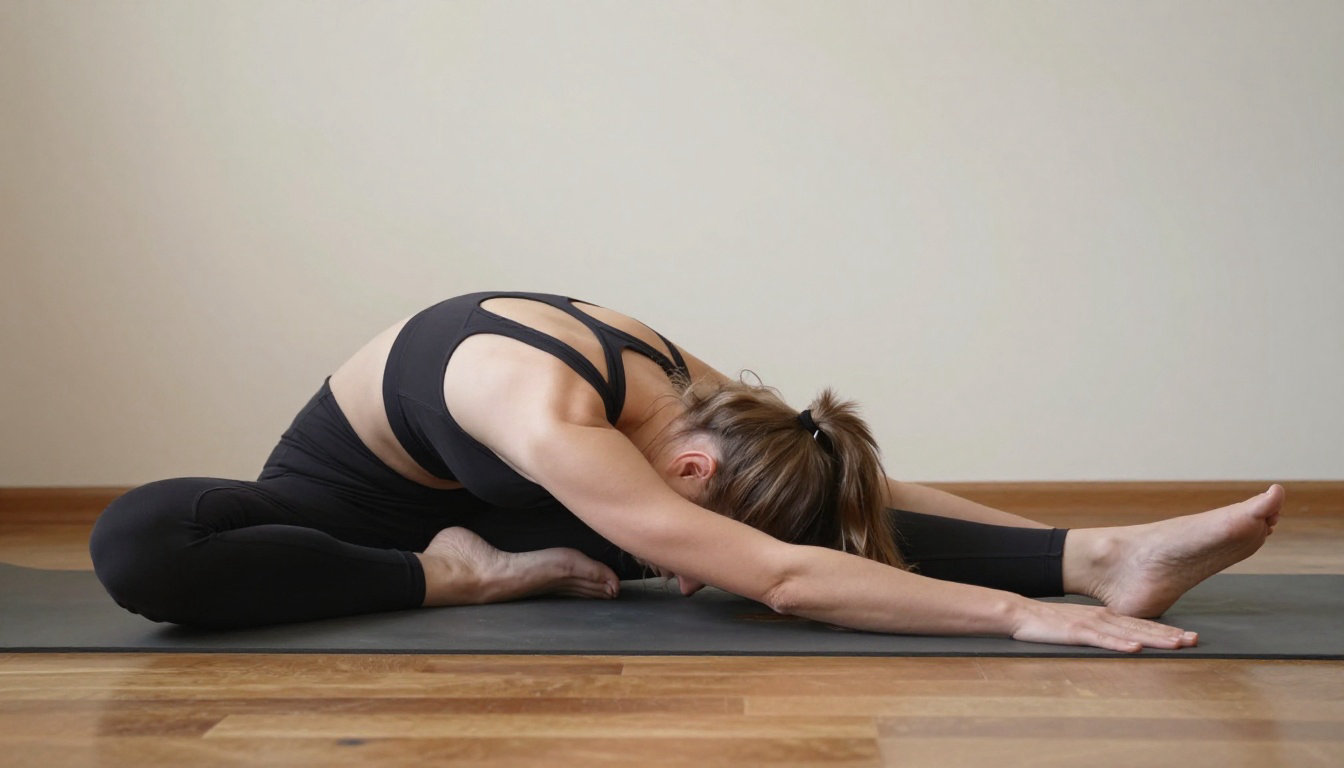
Standing poses feel different. Enjoy the direct connection to the floor. Incorporating Yoga Mudras: The Secrets of Sacred Gestures for Energy can further refine your focus.
Managing Initial Discomfort and Embracing Vulnerability
Transitioning to naked practice can feel daunting initially. Start by wearing loose layers first. Gradually remove them as your comfort level increases.
Use a brief meditation to center your mind. Close your eyes before undressing to focus inward. This shifts the focus from looking to feeling.
Keep your first sessions short. Ten minutes is enough to build confidence. Practicing Nadi Shodhana Pranayama: Purifying the Energy Channels helps calm the nervous system during this transition.
1. Start with loose layers. 2. Establish a private sanctuary. 3. Use meditation to focus inward. 4. Practice foundational poses for 10 minutes.
Practicing nude yoga fosters radical self-acceptance by removing material barriers and enhancing sensory feedback. By establishing a secure home sanctuary with strict hygiene, you can safely transition from basic asanas to deep somatic healing. Start your journey toward authentic body positivity today to experience lasting physical and mental liberation.