Meditation is known to reduce cortisol levels by approximately 30% while actively rewiring gray matter to enhance emotional regulation. Despite these documented physiological benefits, many individuals struggle to maintain a consistent practice due to the misconception that they must achieve total mental silence.
This guide explains how to meditate by focusing on breath awareness and non-judgmental observation to help you build a sustainable daily routine. We will examine the fundamental techniques and environmental adjustments necessary to transform your mental well-being through structured mindfulness.
- How to Start Meditating for Mental Clarity
- Preparing Your Environment and Body
- Core Techniques for Breath and Focus
- Managing Distractions and Physical Hurdles
- Integrating Mindfulness Into a Daily Routine
How to Start Meditating for Mental Clarity
Meditation reduces cortisol by 30% and rewires gray matter for emotional regulation. Success involves 5-20 minute sessions focusing on breath awareness rather than forced silence, fostering a non-judgmental observation of wandering thoughts.
Transitioning from general concepts to practical application requires a shift in how we perceive the internal movement of our thoughts.
Meditation: A mental training practice that involves becoming a non-judgmental witness to the mental flow, rather than attempting to stop thoughts entirely.
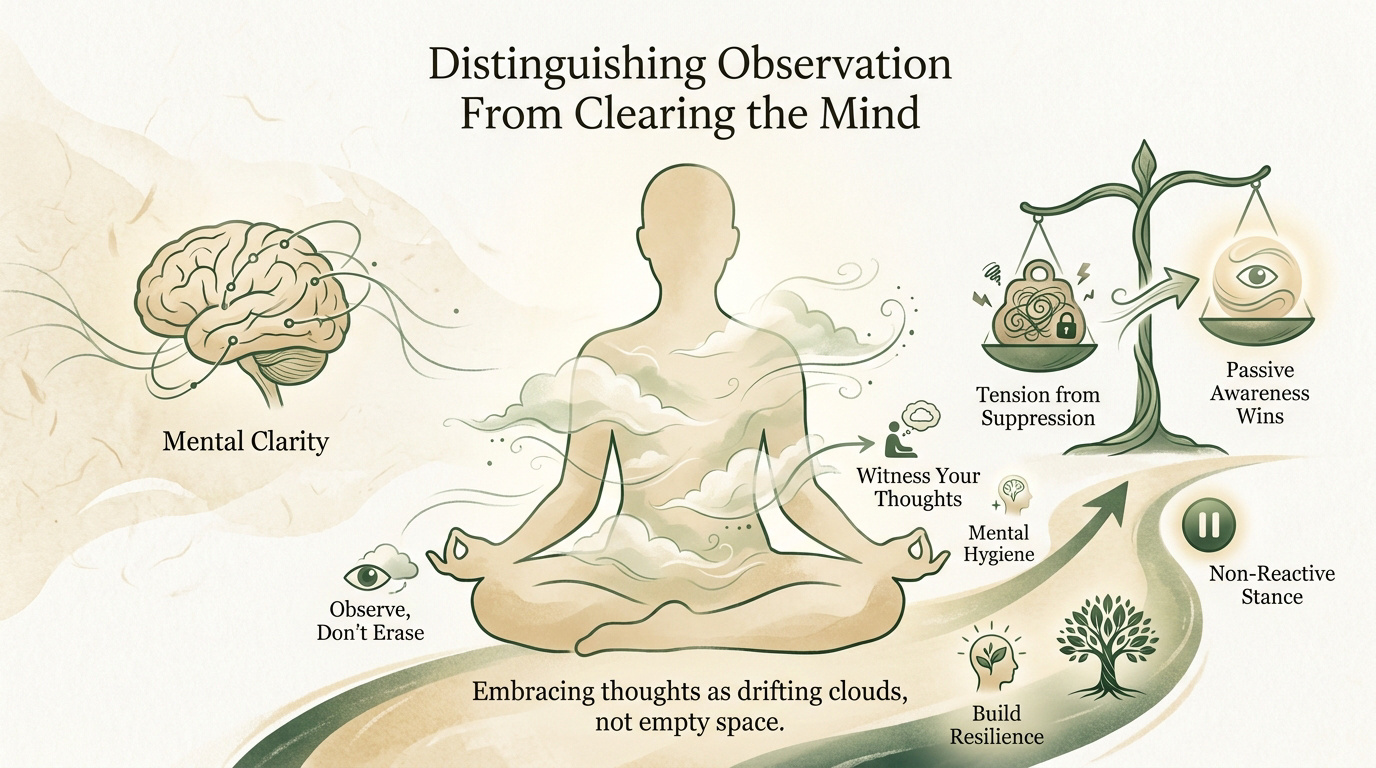
Distinguishing Observation From Clearing the Mind
Many beginners struggle with the myth of the “empty mind.” Meditation does not require stopping thoughts. Instead, you simply notice them as they arise. Think of your thoughts as clouds passing across a vast sky.
Active suppression often creates more internal tension. It is better to let ideas exist without engaging with them. This subtle shift toward observing thoughts without judgment constitutes the real work of mindfulness.
Noticing that your mind has wandered is actually a win. It proves you are finally aware of your internal state.
Stop fighting your brain. Just watch the flow.
Understanding that observation is the goal allows us to explore the deeper structural benefits this practice offers the brain.
The Core Purpose Beyond Simple Relaxation
Meditation serves as essential mental hygiene. It builds resilience against daily stressors by acting like a gym for your focus. This training prepares you for real-world chaos, not just quiet rooms.
- 30% reduction in cortisol levels with regular practice.
- 5-20 minutes is the recommended daily session duration.
- 30 days of consistency typically forms a lasting habit.
The practice fosters a non-reactive stance. You learn to pause before reacting to anger or anxiety. This gap between stimulus and response is where your freedom lives. It is powerful stuff.
You shift from impulsive reactions to deliberate choices. You become the captain of your emotions. Autopilot living ends here.
Mental training is also a tool for understanding neurasthenia and its impact on modern health, helping to restore balance to an overworked nervous system.
Preparing Your Environment and Body
Setting the stage for your practice is just as vital as the technique itself because your physical surroundings dictate your mental ease.
Selecting a Space and Timing That Works
Find a quiet, warm spot. It doesn’t need to be a temple. A corner of your bedroom works fine. Consistency in location helps the brain trigger a “rest” mode quickly.
Morning sessions offer clarity for the day. Evening sessions help you wind down for sleep. Experiment to see what fits your rhythm. Don’t force a schedule that makes you miserable.
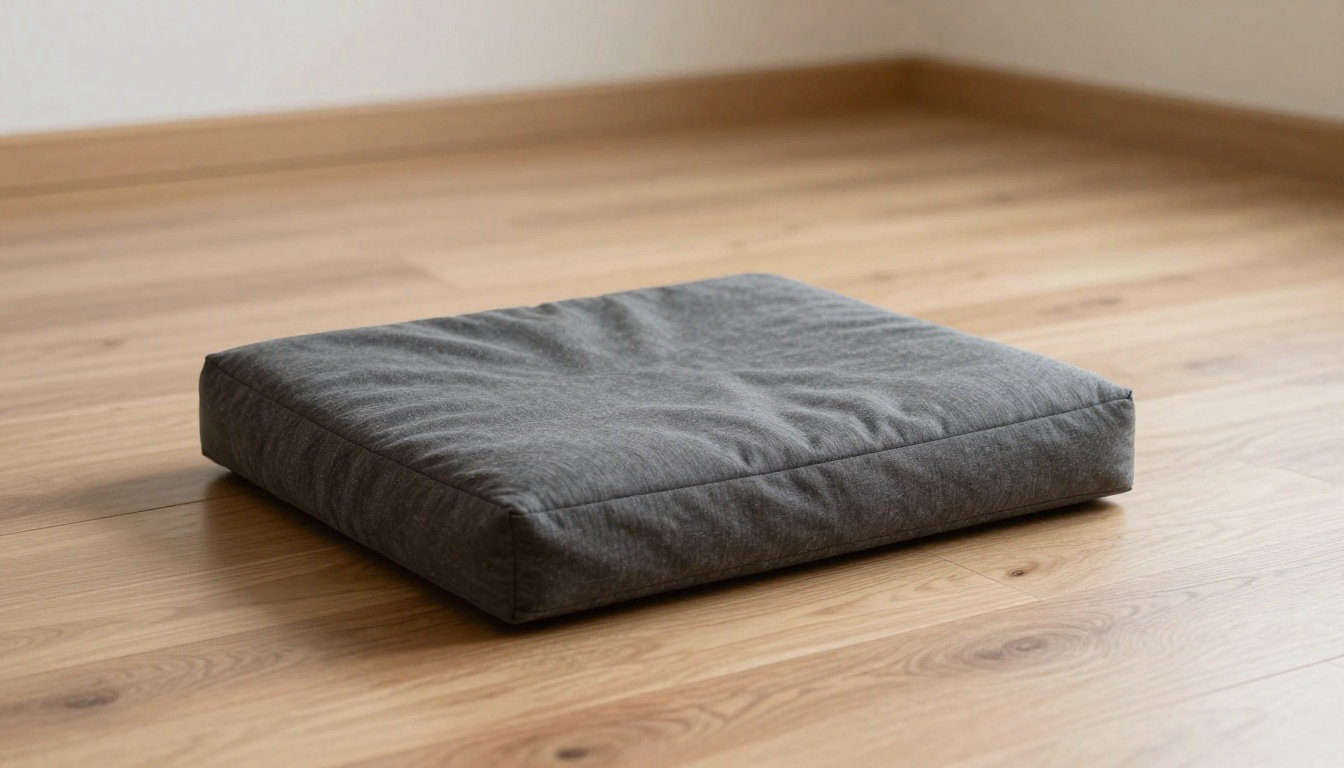
Forget the expensive cushions or special gear. A simple chair or the floor is enough. You don’t need to buy enlightenment.
Even the best study tools for students to succeed often include creating a dedicated, quiet workspace.
Posture Options for Physical Comfort
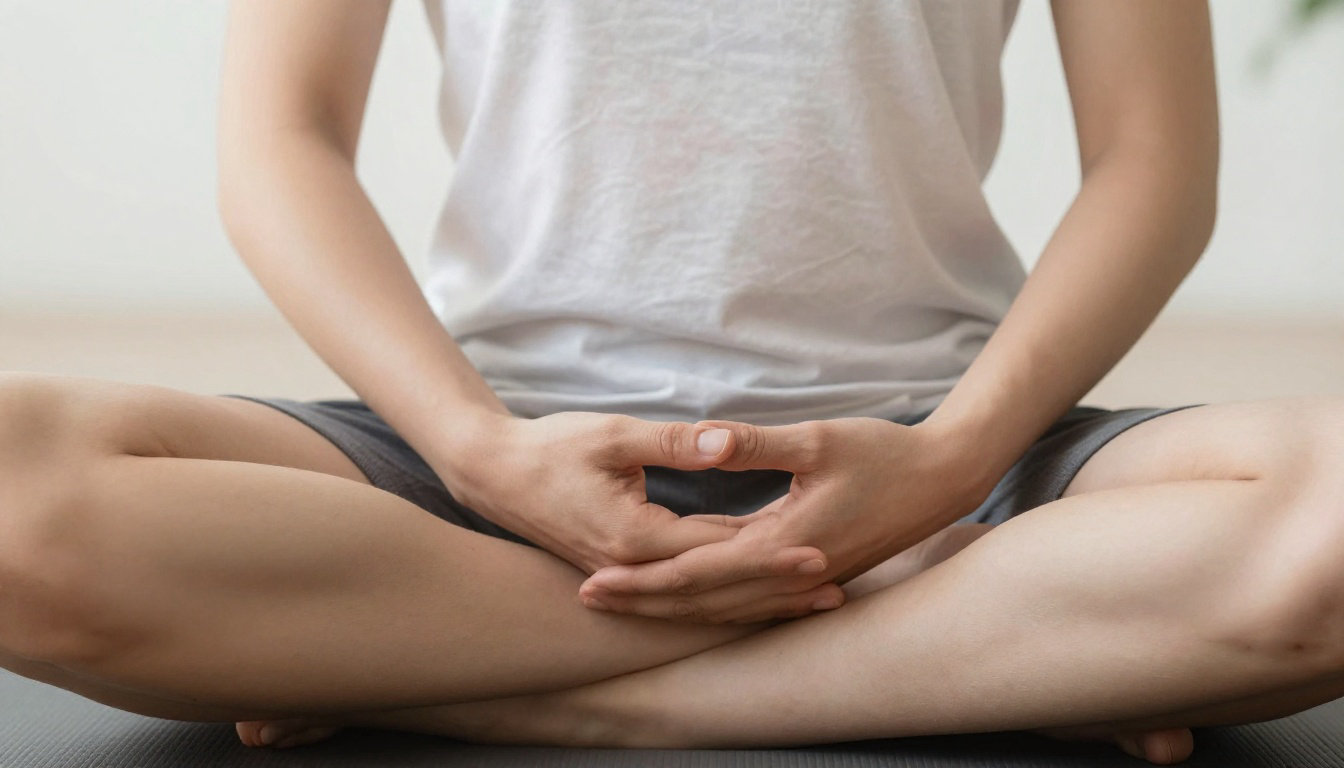
You can sit on a chair, the floor, or even your bed. The key is stability. If you’re in a chair, keep your feet flat. If on the floor, use a firm pillow to lift your hips.
Keep your spine straight but not rigid. This prevents drowsiness and keeps you alert. Imagine a string pulling the top of your head. It’s about being upright and dignified.
Relax your shoulders. Let your hands rest naturally on your knees or lap.
For specific female health benefits, consider how benefits of Upavista Konasana for women’s health can complement your seated posture.
Core Techniques for Breath and Focus
Once you are settled and comfortable, the next step involves choosing a focal point to anchor your drifting attention.
Breath Awareness as a Primary Anchor
Use your breath as a home base. Label your inhales and exhales silently. “In” and “Out” is a classic method. It gives the mind a simple job to do.
Feel the air in your nostrils or chest. Focus on the physical sensation, not the idea of breathing. This grounds you in the body. It’s immediate and always available.
Move from forced breathing to natural observation. Don’t try to control the rhythm. Let the body breathe itself. You are just an interested observer of a natural biological process.
- Focus on nostrils sensation
- Chest expansion
- Belly rise and fall
- Find a home base (breath).
- Label inhales and exhales.
- Feel physical sensations (nostrils/chest).
- Observe natural rhythm without control.
Body Scan and Sensory Grounding Methods
Start a mental scan from your toes to your head. Notice any tension or warmth. Don’t try to change it yet. Just acknowledge the sensation as you move slowly upward. This builds a deep mind-body connection.
Engage your five senses to stay present. What do you hear? What do you smell? Sensory data bypasses overthinking. It’s a shortcut to the “now” when thoughts are loud.
Use this grounding to stop intellectual loops. Your body is never in the past or future. It’s always right here.
You might also learn how to use hand mudras for health and energy balance to deepen this grounding.
Managing Distractions and Physical Hurdles
Even with the best techniques, distractions will arise, making it essential to handle them with grace rather than frustration.
The Non-Judgmental Approach to a Wandering Mind
Noticing a distraction is a success. It means your mindfulness is working. Don’t get angry at yourself. Just smile and gently bring your focus back to the breath.
Your brain is designed to think. It’s just doing its job. Expecting it to be silent is like expecting your heart to stop beating. Treat thoughts like background noise.
Use a soft mental touch. Don’t yank your attention back. Think of it like training a puppy. Be firm but kind. Repetition is the only way to build the habit.
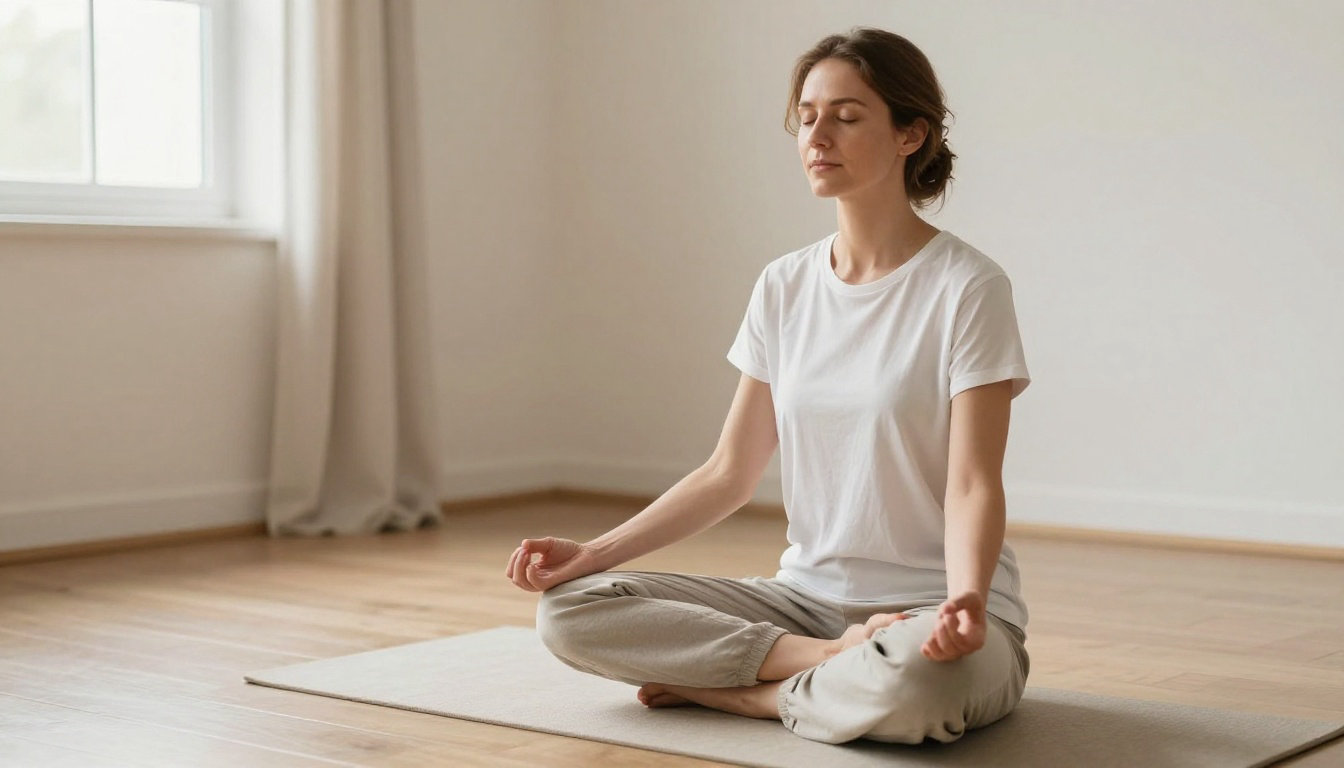
Consistent practice fosters mindfulness for stress reduction effectively. This helps how to meditate daily.
Troubleshooting Common Physical Discomforts
Leg numbness or back pain is normal. If it’s sharp, move carefully. If it’s just an itch, try to observe it without scratching. See how the sensation changes over time. It often disappears on its own.
Distinguish between “good” and “bad” pain. Dull aches are often just the body adjusting. Sharp pain needs a posture change. Be honest with yourself about your physical limits.
Manage the urge to fidget. Sit with the impulse for three breaths before moving. You might find the urge passes.
| Discomfort | Probable Cause | Immediate Fix |
|---|---|---|
| Numb legs | Poor circulation or posture | Adjust pelvis height or uncross legs |
| Lower back pain | Slumping or lack of support | Straighten spine or use a cushion |
| Itching | Heightened sensory awareness | Observe the sensation without reacting |
| Drowsiness | Excessive relaxation vs alertness | Open eyes slightly or sit upright |
Integrating Mindfulness Into a Daily Routine
Beyond the cushion, the true value of meditation lies in how it weaves into the fabric of your everyday life.
Leveraging Neuroplasticity Through Daily Habits
Short daily sessions rewire your brain. This is neuroplasticity in action. Consistency matters more than duration.
Ten minutes every day beats an hour once a week. Every single time. Resistance will show up during the first month.
You will feel bored or too busy. Push through those specific days. That is when the real growth happens.
Link meditation to an existing habit like your morning coffee to make it feel as natural as brushing your teeth.
Use mudras for diseases: healing body and mind through your hands as a physical trigger for your daily practice.
Transitioning From Guided to Independent Practice
Apps are great for starting. Eventually, try sitting in silence. Set a simple timer with a gentle bell.
This builds trust in your own internal rhythm. You don’t need a voice. Bring mindfulness to daily chores.
Pay attention while washing dishes or walking. Feel the water or the ground. These micro-meditations bridge the gap.
Don’t overthink the transition. If you feel lost, go back to a guided session. It is not a linear path.
- Set a simple timer
- Practice in silence
- Mindful walking
- Mindful eating
Mastering the art of meditation involves consistent breath awareness, non-judgmental observation of thoughts, and establishing a stable daily routine. By training your mind to pause before reacting, you cultivate lasting neuroplasticity and emotional resilience. Start your practice today to transform mental noise into profound inner clarity.