
In 1869, neurologist George Beard identified a pathological depletion of nerve energy triggered by the rapid pace of modern life. This condition, known as neurasthenia, reflects a literal weakness of the nervous system that once served as a diagnosis for the overworked urban elite. Many individuals today still struggle with unexplained chronic exhaustion that defies standard medical explanations.
We will examine the historical evolution of this clinical label and its persistent relevance in modern global health classifications.
- Defining Neurasthenia and its Linguistic Origins
- The Gilded Age Obsession with Americanitis
- Somatic Signals of Prolonged Mental Exhaustion
- The Decline of the Diagnosis in Western Manuals
- Distinguishing Nervous Weakness from Modern Burnout
Defining Neurasthenia and its Linguistic Origins
Neurasthenia, coined by George Beard in 1869, defines a pathological depletion of nerve energy. Historically linked to “Americanitis,” this diagnosis of chronic exhaustion remains a vital cultural idiom in Asian medical classifications today.
The term’s persistence is rooted in its specific etymological construction, which originally pointed to a purely biological failure of the nervous system.
Greek derivation: ‘neuron’ (nerve) and ‘astheneia’ (weakness).
Etymological roots of nerve weakness
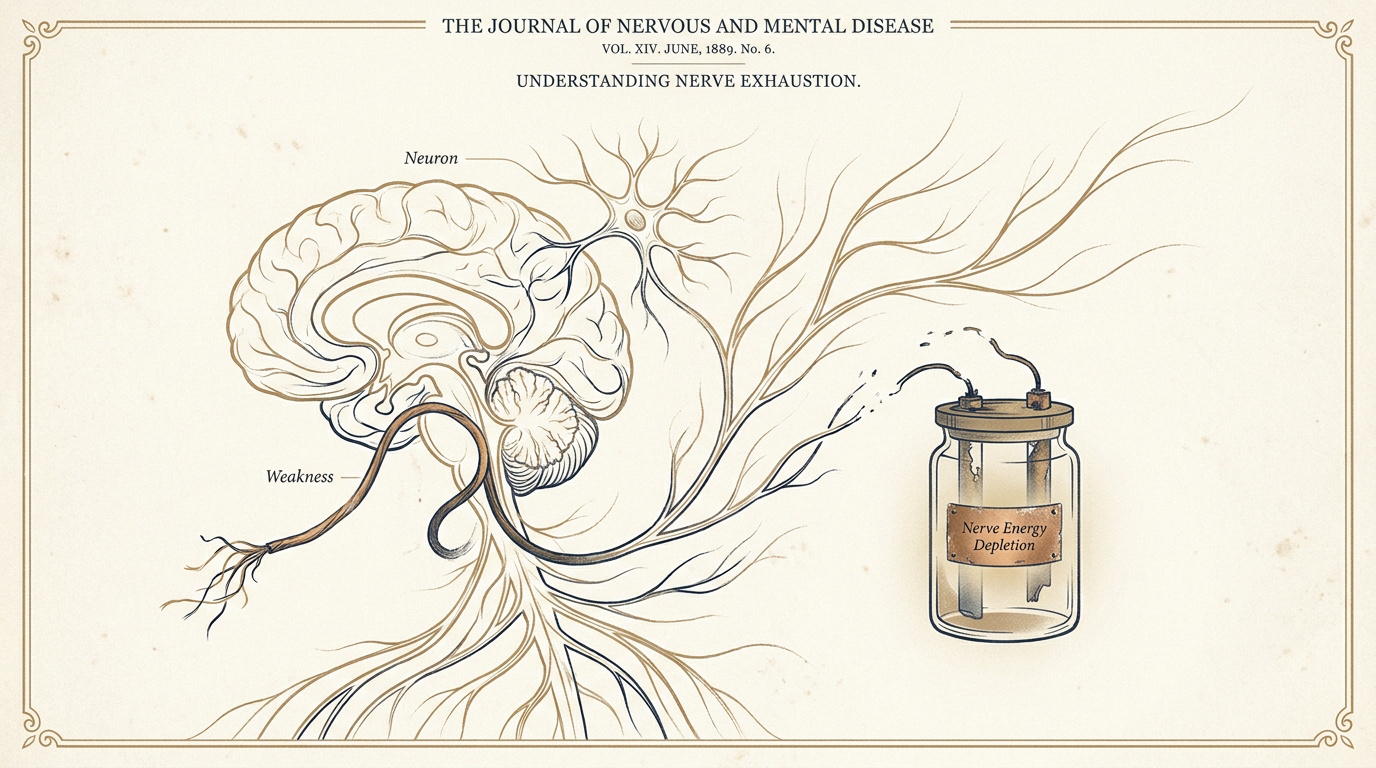
The word stems from the Greek “neuron,” meaning nerve, and “astheneia,” signifying a lack of strength. This construction implies a literal fragility within the body’s internal wiring.
During the 1800s, physicians focused on biological energy depletion. According to ScienceDirect, George Beard interpreted this condition as a literal exhaustion of the nervous system’s capacity.
Eventually, the “broken wire” metaphor evolved. It transitioned from a physical mechanical failure into a complex medical label for unexplained fatigue.
Early medical interpretations of energy loss
Victorian medicine viewed the nervous system as an electrical circuit. Doctors believed that under extreme social pressure, these delicate nerves could actually short-circuit.
Theory suggested humans possessed a finite reserve of “vital force.” Once this internal battery was drained by overwork, the physical body simply stopped functioning correctly.
These early biological views eventually met psychological shifts. Energy loss moved from being seen as a physical reality to a nuanced psychosomatic symptom.
The Gilded Age Obsession with Americanitis
While the etymology provided a scientific veneer, the diagnosis quickly became a cultural badge of honor for the overworked urban elite.
George Beard and the pressure of modern life
George Miller Beard introduced the term neurasthenia in 1869. This New York neurologist observed a specific “nervousness” among his patients. He believed their vital energy was simply depleted.
According to ScienceDirect Medicine, Beard identified five triggers: steam power, the press, telegraphs, sciences, and women’s mental activity.
This diagnosis carried significant social weight. Being “too nervous” suggested a refined nature. It implied the patient possessed the sensitive constitution typical of the upper classes.
The cultural impact of the nervous exhaustion label
The “Americanitis” phenomenon fascinated the urban elite. This label felt more prestigious than other mental health terms. It framed exhaustion as a byproduct of success and civilization.
Gender perceptions heavily influenced the diagnosis. Men were viewed as victims of intense business competition. Conversely, women were often diagnosed for pursuing “excessive” intellectual or professional goals.

Silas Weir Mitchell established the “rest cure” as the standard treatment. His methods were rigorous and eventually sparked significant controversy. He focused on total physical and mental inactivity to restore the patient.
- Bed rest for weeks
- Forced overfeeding with milk
- Total isolation from family
- Daily massage and electrical stimulation
Somatic Signals of Prolonged Mental Exhaustion
Beyond the cultural prestige, the physical reality of the condition manifested through a debilitating array of somatic signals.
Identifying chronic fatigue and sleep disturbances
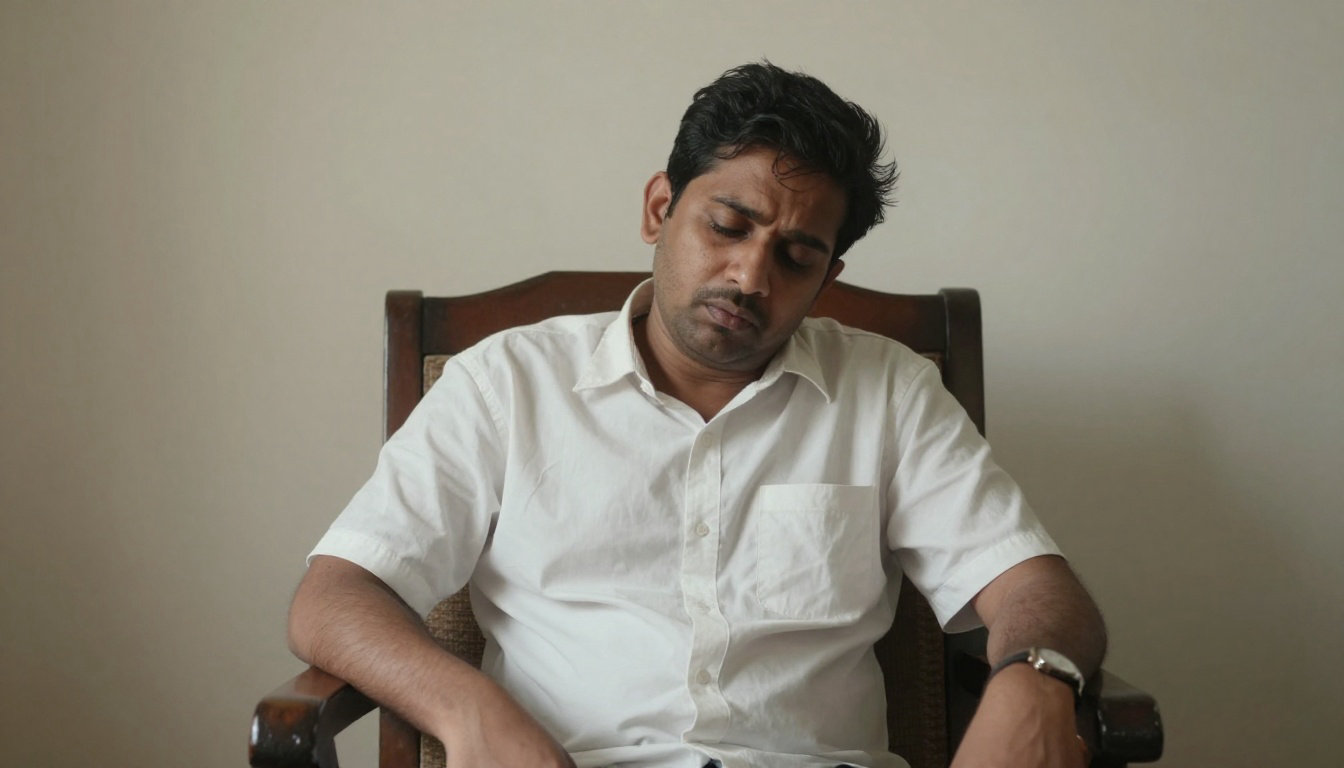
Patients report extreme lethargy and unrefreshing sleep. They wake up feeling drained despite long nights. This persistent lack of vigor.
Mental fatigue makes simple tasks feel like insurmountable obstacles. Irritability grows as cognitive clarity fades away. The “nerve-weak” individual struggles with even basic decision-making.
Standard rest fails to restore their depleted energy reserves. This distinguishes neurasthenia from normal tiredness after hard work. The exhaustion remains constant regardless of any relaxation attempts.
Neurasthenia is defined by an inability to recover through standard rest and symptoms persisting for more than six months.
Somatization and digestive manifestations
Physical complaints often center around chronic tension headaches. Patients frequently describe a “tight band” squeezing their skull. This pressure becomes a hallmark of their nervous depletion.
Muscle pain and gastrointestinal upset plague the sufferer regularly. Weak nerves were thought to disrupt the stomach’s natural rhythm. This leads to chronic discomfort and significant digestive sensitivity.
These symptoms serve as the body’s language for mental distress. Physical pain reflects the deep-seated exhaustion of the central nervous system.
The Decline of the Diagnosis in Western Manuals
As medicine moved toward more precise psychiatric categories, the broad umbrella of neurasthenia began to fold in the West.
The removal from DSM and ICD classifications
The diagnosis gradually lost its clinical favor during the early 20th century. This transition occurred as psychoanalysis gained ground and medical professionals developed more specific tools to identify mental health conditions.

Modern manuals like the DSM-IV and ICD-11 eventually deprecated the term. Research indicated that less than 2% of patients met the old criteria without also suffering from comorbid anxiety or depression.
The original concept underwent a significant fragmentation. Medical experts split the symptoms of neurasthenia into distinct categories, such as clinical depression, various anxiety disorders, and somatic symptom disorders.
Continued usage in Asian medical contexts
In China, the term “shenjing shuairuo” persists with remarkable resilience. It remains a widely accepted psychiatric diagnosis, maintaining a level of recognition that has vanished in Europe.
This persistence often functions as a cultural “idiom of distress.” Using this label allows individuals to seek medical help while avoiding the heavy social stigma frequently attached to Western psychiatric mental illness labels.
The diagnosis deeply resonates with traditional concepts of health. Many patients relate the depletion of “Qi,” or vital energy, to the modern experience of burnout.
| Region | Status of Diagnosis | Primary Perception |
|---|---|---|
| USA/Europe | Obsolete / Deprecated | Replaced by depression, anxiety, or CFS. |
| China | Commonly used | Linked to Qi depletion and “shenjing shuairuo.” |
| Taiwan | Reincarnated | Often framed as Autonomic Imbalance. |
Distinguishing Nervous Weakness from Modern Burnout
While the name has faded in many regions, the symptoms have simply found new homes in modern medical terminology.
Comparing symptoms with Chronic Fatigue Syndrome
Neurasthenia and Chronic Fatigue Syndrome share a striking overlap. Both conditions center on debilitating, unexplained physical and mental exhaustion. This core fatigue defines the daily struggle for many patients.
Modern diagnostic criteria for CFS require specific physiological markers. The broad 19th-century neurasthenia diagnosis lacked these rigorous medical distinctions. Today, doctors look for post-exertional malaise and documented cognitive impairments. Clinical frameworks have moved toward more precise biological definitions.
Persistent fatigue requires professional medical guidance. Consult a doctor if exhaustion remains despite significant lifestyle adjustments. Early intervention is key.
Psychosomatic perspectives on workplace stress
Historical exhaustion bears a mirror image to modern burnout. The Victorian “Americanitis” was essentially an early version of today’s work-from-home fatigue. Both reflect a nervous system overwhelmed by the relentless pace of society.
Treatment methods have evolved significantly over the decades. Cognitive Behavioral Therapy and graded exercise are now preferred over old “rest cures.” These modern approaches focus on active recovery rather than passive isolation.

Neurasthenia serves as a powerful idiom of distress. High-pressure societies will always find a way to pathologize the strain of modern life. Our terminology changes, but the human response to pressure remains constant.
Historically defined as a depletion of vital energy, neurasthenia highlights the enduring link between modern stress and physical exhaustion. Understanding this nervous weakness allows for better management of chronic fatigue through professional guidance and tailored lifestyle adjustments. Prioritizing your neurological health today ensures a resilient and balanced future.