Regular practice of yoga poses is instrumental in maintaining general balance and supporting healthy aging through improved physical awareness. These movements focus on developing core strength and flexibility while establishing a stable foundation for the body’s structural alignment.
Many practitioners struggle to maintain stability or find their center during complex sequences. This article examines fundamental postures and practical strategies to help you build a safe, effective home practice that enhances both strength and coordination.
- Fundamental Yoga Poses for Building a Solid Foundation
- Standing Postures to Cultivate Strength and Stability
- Seated and Floor Poses for Flexibility and Spinal Health
- Balancing and Core-Centric Movements for Better Control
- Restorative and Supine Poses for Stress Relief
- Practical Strategies for a Safe and Effective Home Practice
Fundamental Yoga Poses for Building a Solid Foundation
Core yoga practice centers on foundational asanas like Tadasana for alignment, Adho Mukha Svanasana for integration, and Balasana for recovery. These poses establish structural stability, decompress the spine, and regulate the nervous system effectively.
The focus on structural stability leads directly into the mechanics of standing tall and finding your center in Tadasana.
Tadasana as the Blueprint for Alignment
Tadasana serves as the baseline for all standing yoga poses. It emphasizes vertical stability through a neutral pelvis. This alignment helps lengthen the spine toward the crown of the head.
Engagement starts by grounding the four corners of the feet. Lifting the arches creates a stable foundation that supports the knees during the pose.
Practicing this stance translates to better daily habits. It improves posture while waiting in line or standing at a desk during work.
Downward-Facing Dog for Full-Body Integration
This inverted V-shape requires pushing the floor away with wide fingers. This action facilitates the decompression of the spine. Keeping a slight bend in the knees is recommended if the lower back feels tight.
The posture provides a deep stretch for the hamstrings. It also releases tension in the calves and Achilles tendons effectively.
Wrist sensitivity can be a challenge here. Using blocks under the hands helps reduce the angle and pressure on the joints.
Use yoga blocks under the hands to reduce the angle of the wrists and alleviate pressure during Downward-Facing Dog.
For more detailed guidance on specific techniques, you can explore the library of postures provided by experts.
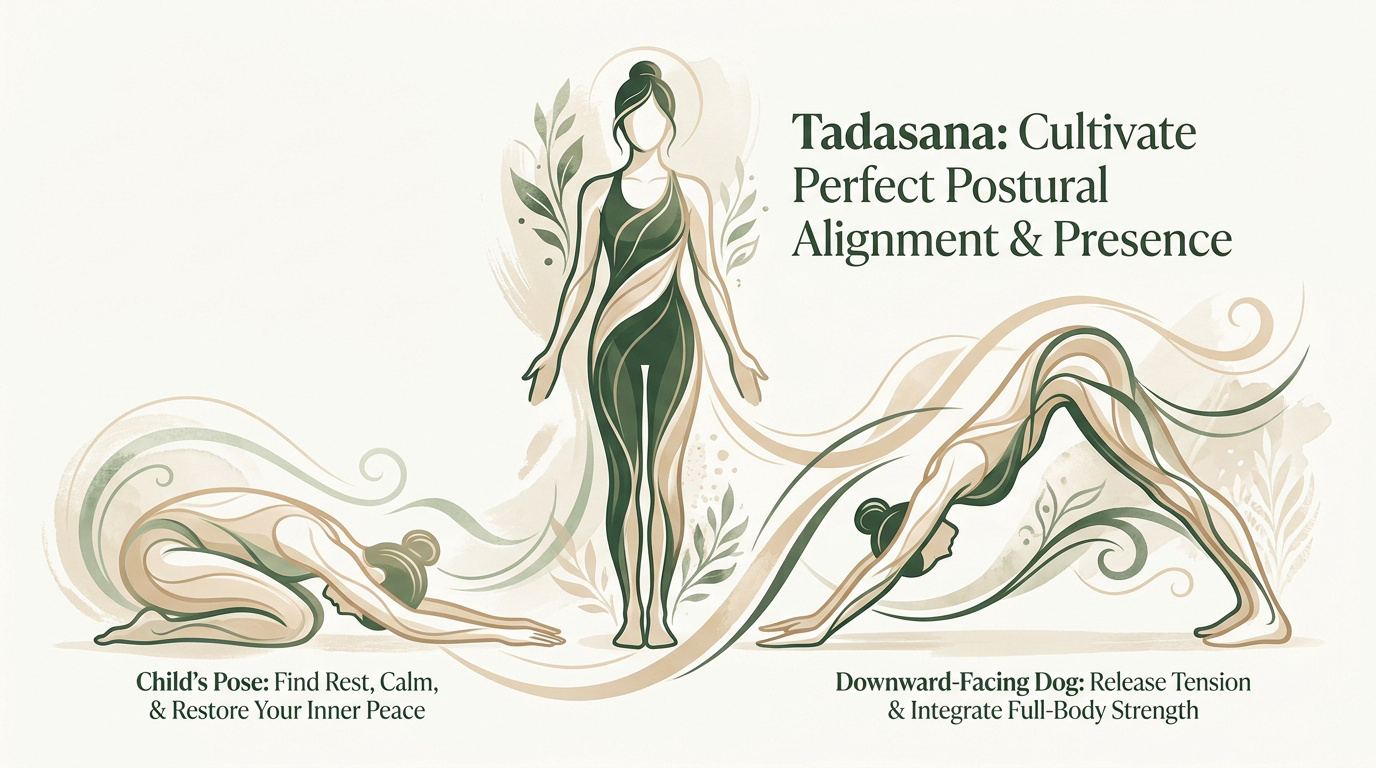
Child’s Pose for Recovery and Nervous System Regulation
Balasana is a primary resting pose. It signals the brain to relax by shifting the body to the parasympathetic nervous system. This transition encourages immediate mental calm.
The position facilitates a gentle lower back release. One can feel the breath expanding the posterior ribs with every inhalation and exhalation.
Comfort modifications make this pose accessible. Placing a blanket between the thighs and calves or under the forehead provides extra support for the joints.
Standing Postures to Cultivate Strength and Stability
Once the foundation is set, we move into active postures that challenge our balance and build heat in the legs.
Warrior Sequences for Lower Body Power
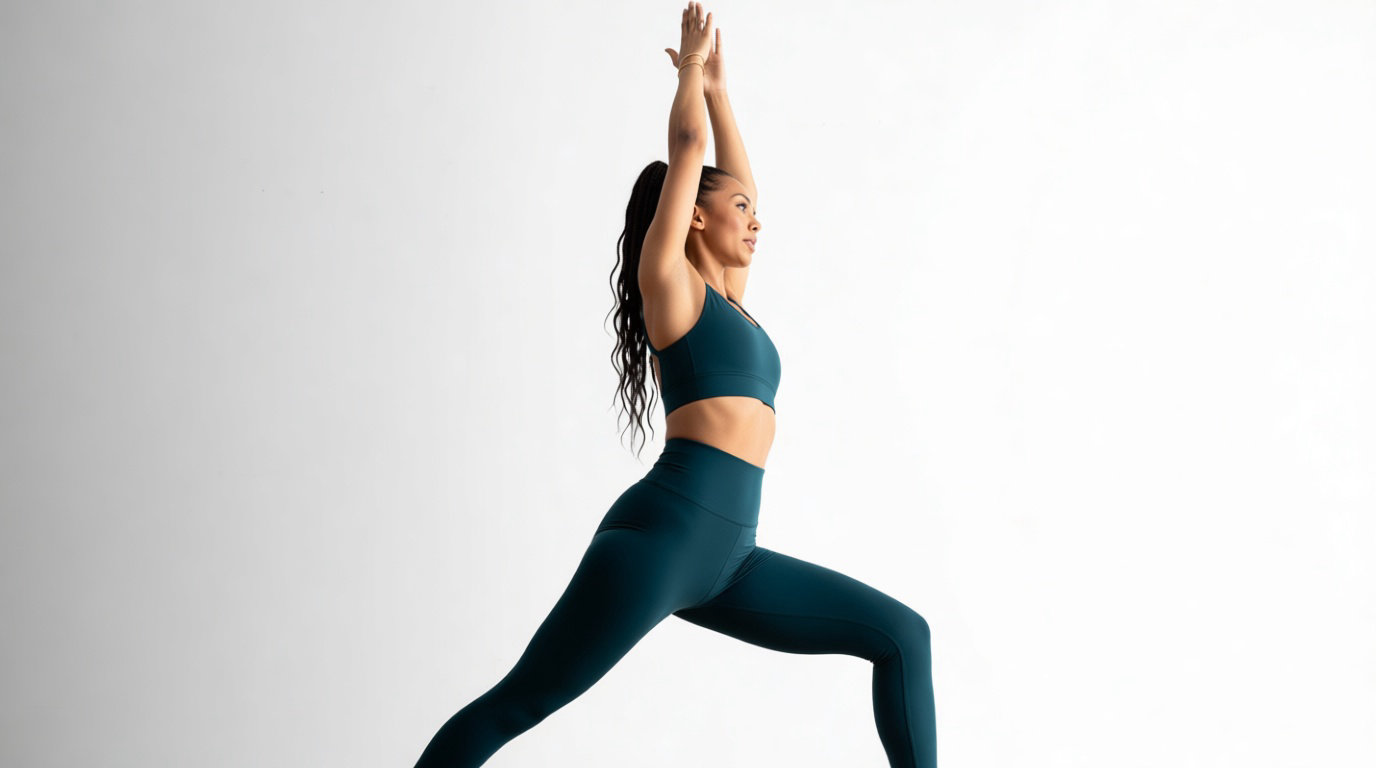
Warrior I demands closed hips facing forward, whereas Warrior II requires an open orientation. The back foot stays at 45 degrees in the first, but turns further out in the second.
You will feel a deep burn in the quadriceps. This heat tests ankle stability while you ensure the front knee remains aligned directly over the heel.
Physical strain builds mental grit. Holding these yoga poses requires a steady Nadi Shodhana Pranayama: Purifying the Energy Channels to maintain focus during the challenge.
Triangle Pose for Lateral Extension and Hip Opening
The body forms a precise T-shape. Reach the torso far forward before hinging down toward the floor. Simultaneously, expand across the collarbones to keep the chest open.
This movement creates an intense stretch in the obliques. It also actively engages the inner thighs, specifically the adductors, to stabilize the wide stance.
Place your hand on a block for support. Avoid leaning directly on the knee joint to protect the ligaments from unnecessary pressure or strain.
Tree Pose for Focus and Proprioception
Balancing on one leg requires complex neurological coordination. Fix your “drishti,” or gaze, on a single point to steady the mind. This prevents physical swaying.
Engage the glute of the standing leg firmly. This muscle activation helps keep the pelvis level and prevents the hip from dropping outward during the hold.
Choose a foot placement at the ankle, calf, or inner thigh. Never place the foot directly on the side of the knee to ensure safety.
Seated and Floor Poses for Flexibility and Spinal Health
After the intensity of standing, we transition to the floor to target deeper tissues and prioritize spinal health.
Staff Pose for Postural Awareness and Core Engagement
Dandasana serves as the “seated Tadasana,” establishing a foundational alignment. You must actively engage your legs with flexed feet. Maintain a tall, vertical spine throughout the hold.
The core plays a vital role in keeping your torso upright. This effort specifically strengthens the hip flexors and abdominal muscles.
Root your sitting bones firmly into the mat. Sit on a folded blanket to help tilt the pelvis forward correctly.
Pigeon Pose for Deep Hip Release and Tension Relief
Position your front tibia toward the top of the mat. This creates an intense stretch in the gluteus maximus and psoas. Focus on squaring your hips to the floor.
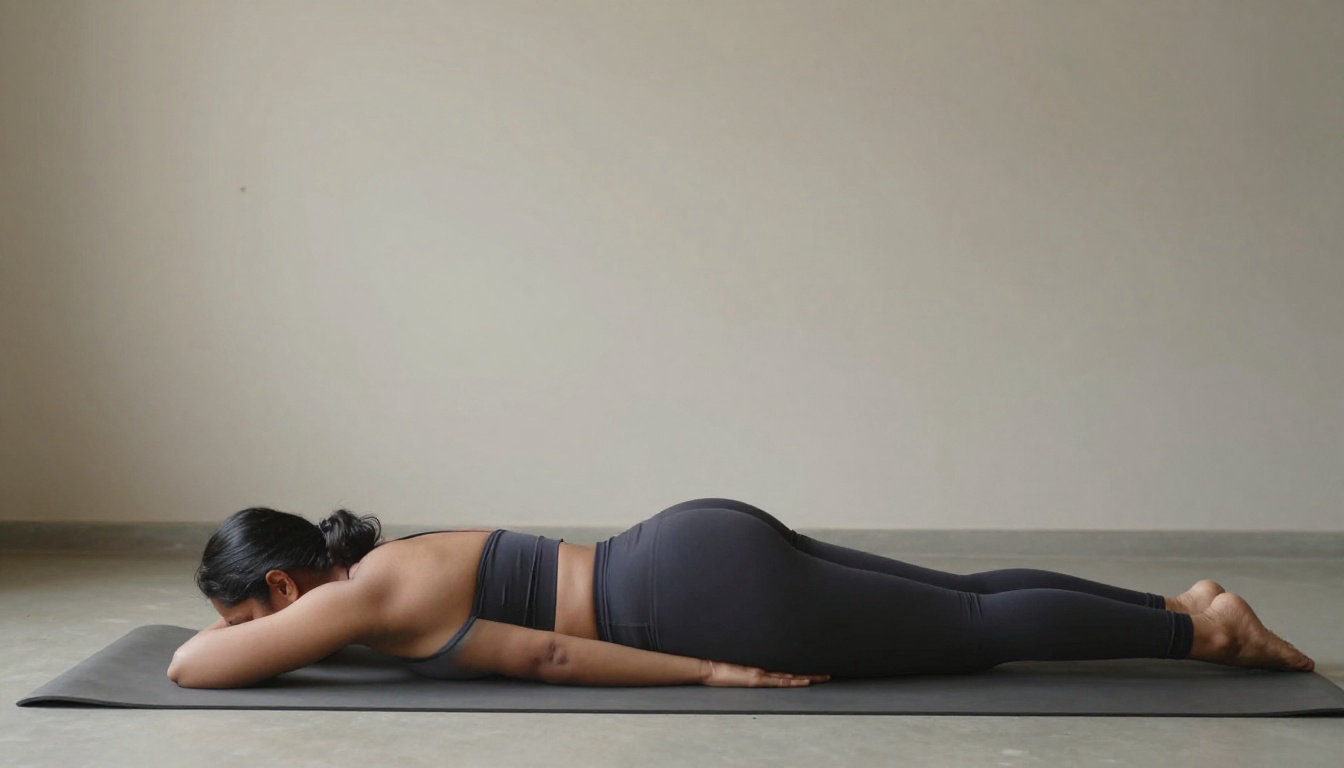
Hips often store significant stress and emotional tension. Long holds offer relief, aiding in balancing blood pressure with the Meao mudra technique for better stress management.
Protect your knee by flexing the front foot. This simple action engages muscles that safeguard ligaments from strain.
Keep the front foot flexed throughout Pigeon Pose to engage the muscles around the knee and protect the ligaments from twisting forces.
Seated Forward Fold for Hamstring Length and Introspection
Hinge from your hips to enter Paschimottanasana. Lead with your chest rather than your forehead. Always prioritize lengthening the spine over reaching the toes.
Forward folds produce a notable calming effect. They lower the heart rate and quiet the mind, encouraging deep introspection.
Beginners should use a strap around the feet. This helps maintain a flat back without straining the neck.
Balancing and Core-Centric Movements for Better Control
Stability isn’t just about legs; it requires a strong center to navigate complex transitions and maintain balance.
Boat Pose for Abdominal Strength and Stamina
Balance on your sitting bones, extending your legs to form a V-shape. Ensure you lift your chest high to avoid rounding the spine.
Engage the transverse abdominis while breathing steadily. Keep your neck relaxed to prevent tension in the upper body during the hold.
Modify by bending knees. You may also hold your thighs for extra support.
Plank Variations for Functional Stability and Shoulder Health
High plank uses the hands, while forearm plank protects the wrists. Maintain a straight line from head to heels by pushing through your feet.
The serratus anterior is vital here. Spread your shoulder blades wide to stabilize the back.
Plank strength prepares the body for headstands and advanced renforcement des obliques. These movements build the foundation for safe inversions.
Half-Moon Pose for Spatial Awareness and Coordination
Transition from Triangle by shifting weight and lifting the back leg. Stack your hips vertically to maintain proper lateral alignment.
Looking at the floor helps grounding. Conversely, looking up toward the ceiling challenges your balance and spatial awareness significantly.
Using a block provides a stable base. This allows the torso to expand more freely during yoga poses.
- High coordination
- Wrist pressure
Restorative and Supine Poses for Stress Relief
To finish the practice, we slow down with supine poses that encourage the body to let go and recover.
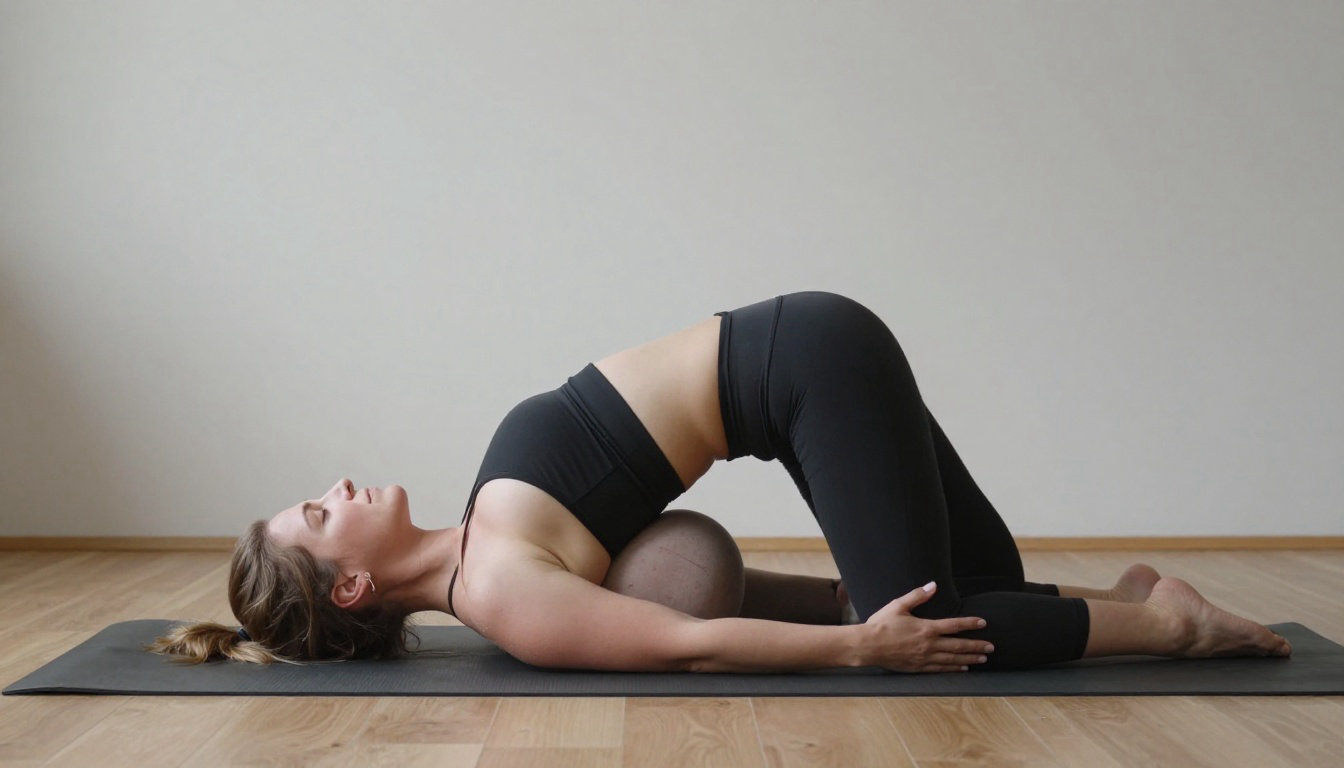
Bridge Pose for Gentle Backbending and Spinal Mobility
Lie flat on your back with knees bent. Lift your hips and chest toward the ceiling while pressing your feet down. Engage your glutes to stabilize the pelvis during the lift.
This position stimulates the thyroid and opens the lungs. Tucking the chin toward the chest stretches the neck safely. You will notice an improved breathing capacity as the chest expands.
Try a restorative version. Place a block under your sacrum. This provides effortless support.
Reclined Bound Angle for Relaxation and Hip Accessibility
Rest on your back and bring the soles of your feet together. Let your knees fall open like butterfly wings. This gravity-assisted stretch targets the inner thighs and pelvic floor.
This pose helps manage anxiety and prepares the body for deep sleep. By opening the chest, it allows for much deeper breaths. It is a powerful tool for relaxation.
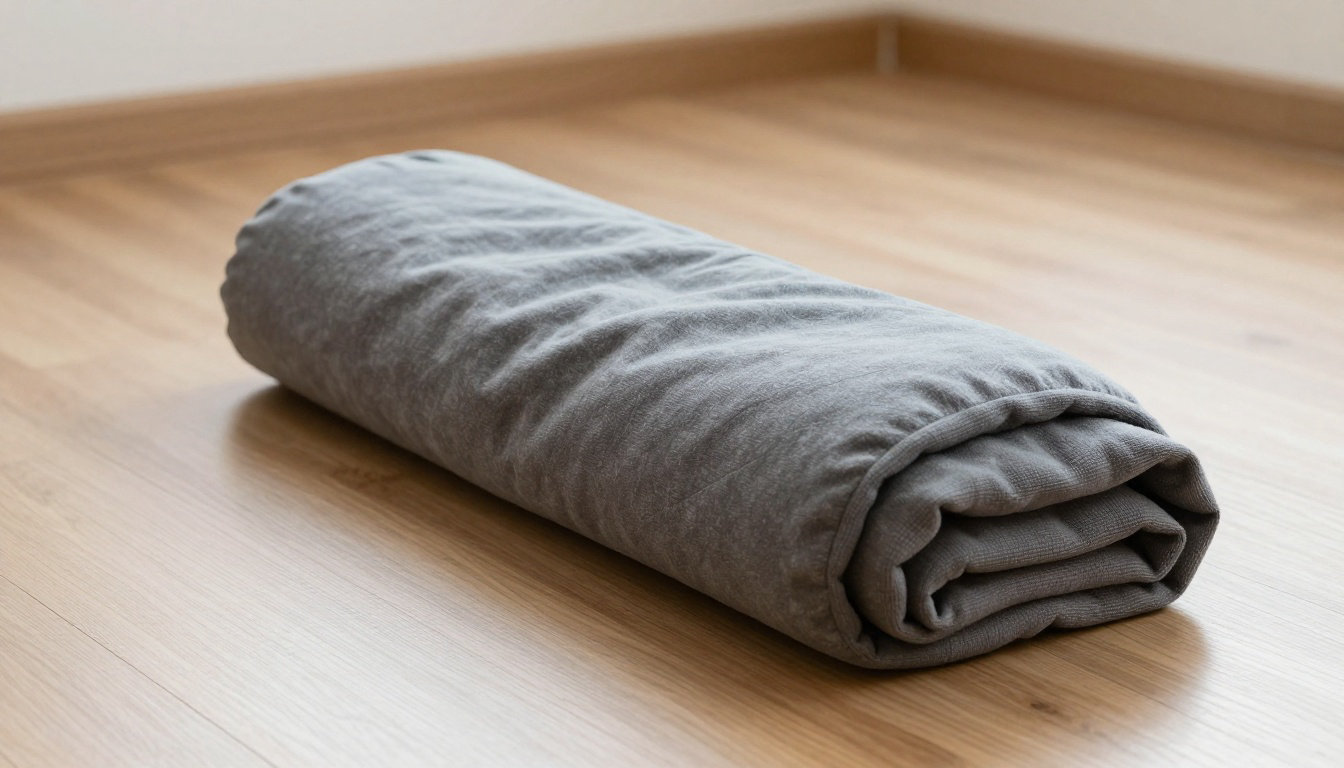
Place pillows under each knee. Supporting the legs allows your hips to truly relax. This removes all muscular tension.
Happy Baby Pose for Lower Back Release and Playfulness
Grab the outside of your feet and pull your knees toward your armpits. Keep your sacrum flat against the mat. This action effectively decompresses the entire spine.
The pose provides a deep groin stretch. It simultaneously targets the hamstrings and the lower back. It is a highly efficient release for the posterior chain.
Gently rock from side to side. This movement gives your lumbar spine a soothing massage. Experts often discuss the security of this pose during pregnancy for many practitioners.
Practical Strategies for a Safe and Effective Home Practice
Knowing the poses is only half the battle; practicing them safely at home requires the right tools and mindset.
Leveraging Props to Adapt Poses for Different Body Types
Yoga blocks and straps serve as essential tools. They bring the floor closer to you. This makes advanced yoga poses accessible to everyone.
Blankets and bolsters offer necessary support. They protect knees and wrists from hard floors.
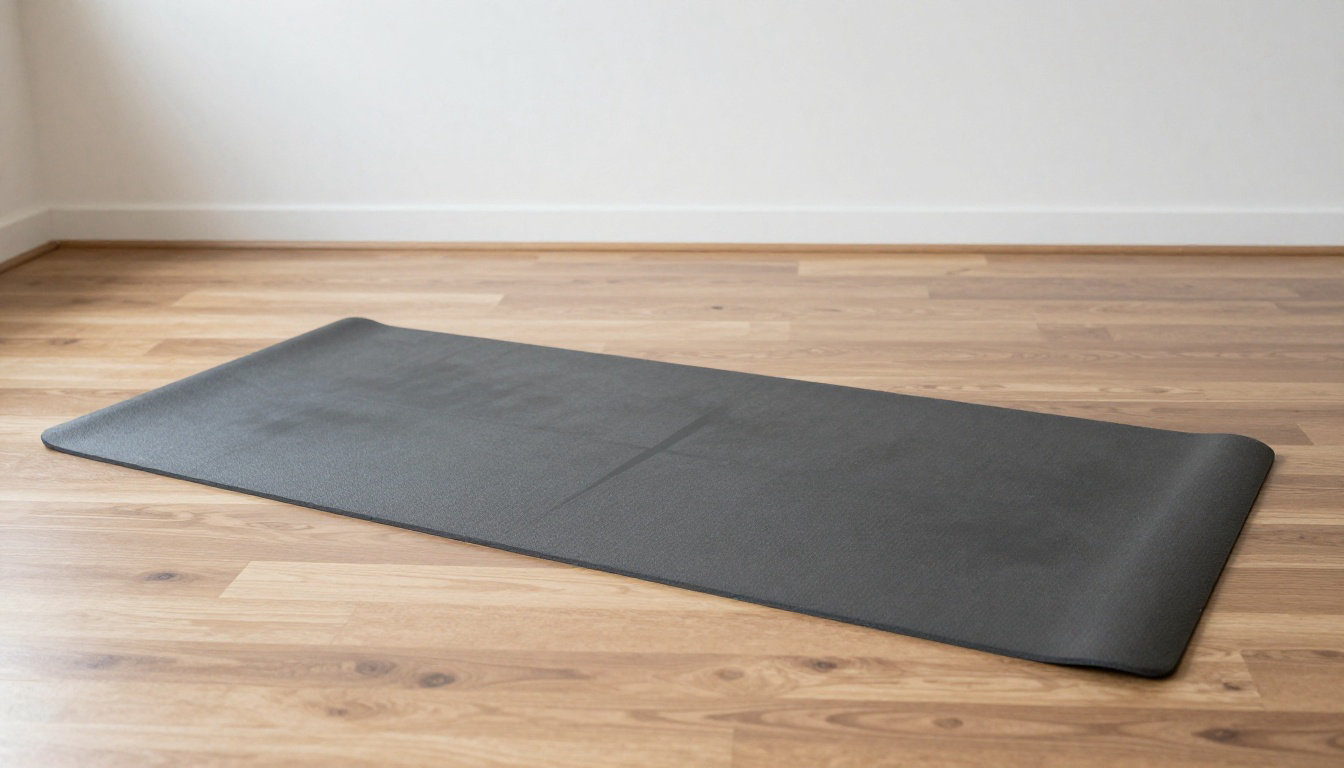
Props reflect an intelligent approach to alignment. They are instruments for a safer, more precise practice.
- Cork or foam blocks for height
- Cotton straps for reach
- Thick blankets for joint cushioning
- Bolsters for restorative support
Building a 15-Minute Sequence for Daily Consistency
A simple flow ensures progress. Start with Cat-Cow for the spine. Move to Sun Salutations for heat.
Connecting breath to movement is vital. Rhythmic breathing maintains focus and prevents fatigue.
Desk workers should target specific areas. Use chest openers and hip stretches to counter sitting.
| Time Segment | Focus | Recommended Poses |
|---|---|---|
| 0-10 mins | Warm-up & Active | Cat-Cow, Warrior II |
| 10-15 mins | Cool-down & Rest | Pigeon, Savasana |
Recognizing Correct Alignment Cues to Avoid Injury
Distinguishing types of pain is fundamental. Deep stretches feel like productive tension. Sharp sensations indicate potential injury.
The gaze matters immensely for balance. Neck position directly affects the entire spine’s alignment.
Self-correction improves form over time. Use a mirror to check your form against guides.
Good pain: Dull, intense muscle stretching.
Bad pain: Sharp, stabbing sensations near joints.
Mastering these foundational yoga poses enhances core strength, body awareness, and spinal health. By integrating consistent alignment and restorative recovery into your daily routine, you will cultivate lasting physical stability. Start practicing today to transform your long-term well-being and achieve a balanced, resilient body.