
The normal oxygen saturation for a healthy individual typically ranges between 95% and 100%, yet a drop below 90% during a respiratory infection signals a medical emergency. While clinical treatments remain the primary defense against lung infections, specific supportive measures at home can significantly influence the speed and comfort of your recovery process.
Managing persistent coughing and chest discomfort often becomes a source of exhaustion that hinders rest. This article examines how home remedies for pneumonia, including targeted nutrition and environmental adjustments, complement medical prescriptions to stabilize your condition and strengthen your immune response. We will detail the most effective methods to alleviate symptoms and identify the precise indicators that require immediate professional intervention.
- Managing Pneumonia Home Remedies Alongside Medical Care
- 3 Methods For Relieving Chest Pain And Congestion
- How To Support The Immune System Through Nutrition?
- Practical Habits For A Smooth Recovery At Home
Managing Pneumonia Home Remedies Alongside Medical Care
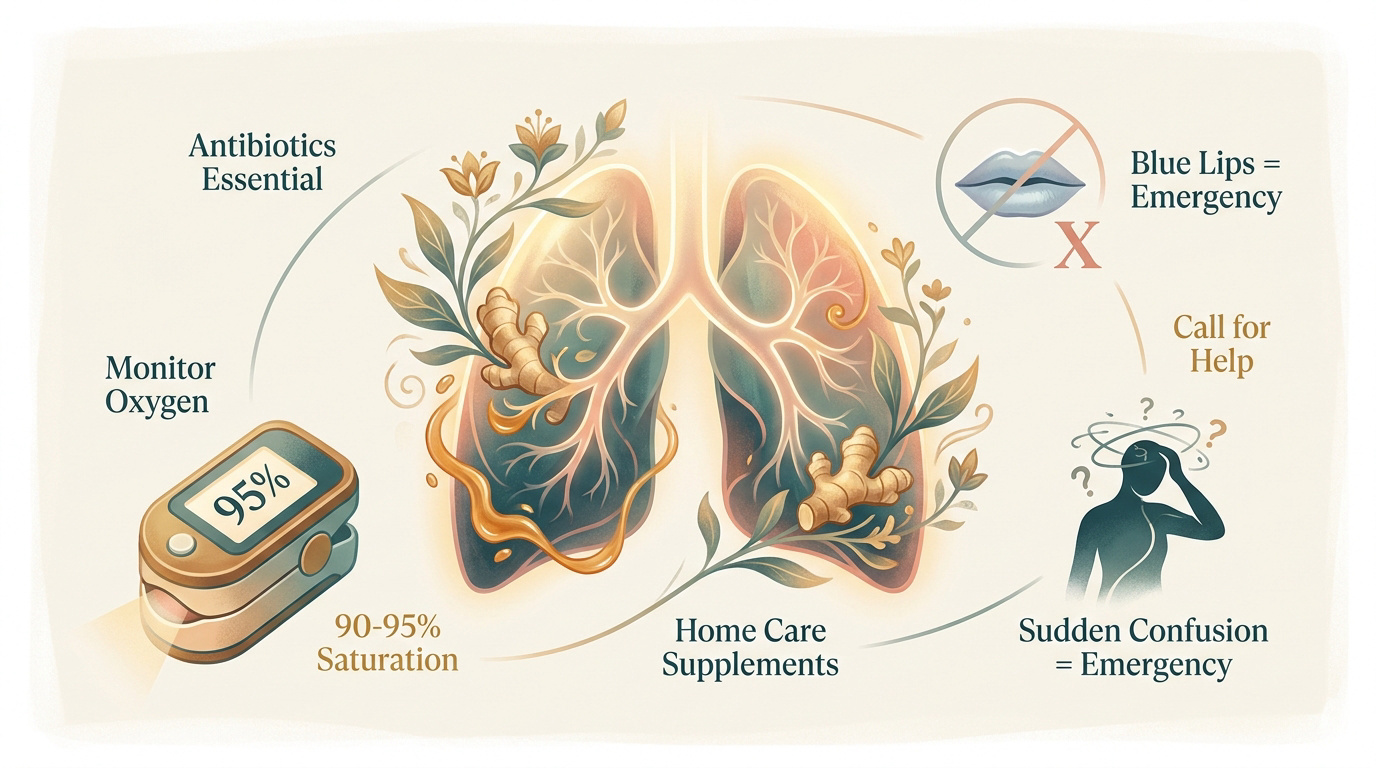
Pneumonia recovery requires mandatory medical treatment, but home care focuses on oxygen monitoring, maintaining 90-95% saturation, and recognizing emergency signs like blue-tinged lips or sudden mental confusion—critical triggers for immediate hospital admission.
The focus on monitoring leads directly into the specific red flags that patients and caregivers must track daily.
Monitoring warning signs and emergency indicators
Identify critical red flags such as cyanosis or extreme lethargy. Use a pulse oximeter to track oxygen levels frequently. Any significant drop below 90% necessitates an immediate call to emergency services for stabilization.
Cyanosis, oxygen below 90%, lethargy, heart rate spikes, rapid breathing, and mental confusion.
Heart rate spikes also signal distress. Rapid breathing or chest retractions mean the body is struggling too hard to get air.
Confusion is a major warning. Seek help if the patient becomes disoriented or unresponsive due to insufficient oxygenation.
The limits of treating walking pneumonia at home
Walking pneumonia feels like a severe cold but still requires clinical diagnosis. You might feel functional, but your lungs remain compromised and inflamed.
Antibiotics remain essential for bacterial cases to prevent scarring. Home support only manages symptoms. Never skip prescribed medication even if you feel better within days.
Clinical intervention prevents long-term damage. Home care is a supplement, not a replacement for drugs. Integrating home remedies for pneumonia supports comfort during the medical healing process.
3 Methods For Relieving Chest Pain And Congestion
While monitoring vitals keeps you safe, managing the physical discomfort of heavy lungs is the next priority for a restful recovery.
Optimizing humidity and air temperature
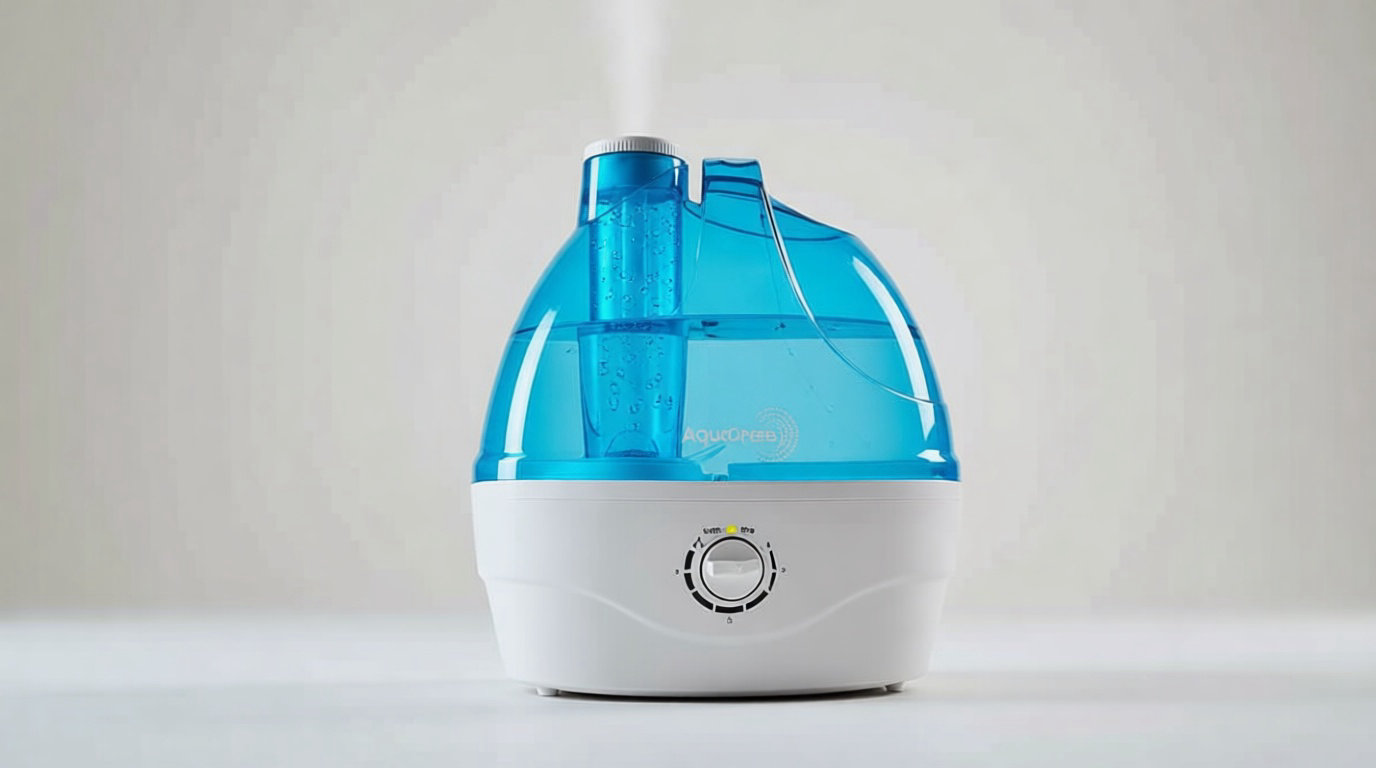
Dry air triggers violent coughing fits that exhaust the chest muscles. Use a cool-mist humidifier to keep the airways lubricated. Maintain a stable, slightly warm room temperature for breathing.
Humidifiers or steam help soothe the respiratory tract, according to experts at Harvard Health. Avoid air conditioners that strip moisture from the environment. Proper hydration further supports this internal moisture.
Use cool-mist humidifiers, practice huff coughing, inhale steam with rosemary or eucalyptus, and use gravity-based positioning for lung drainage.
Clearing mucus through steam and positioning
Practice controlled huff coughing to expel deep phlegm without straining. Inhale steam infused with rosemary or eucalyptus oils to open the bronchioles. Use gravity by lying in specific positions to drain different lung segments. This helps clear the infection faster.
Specific deep breathing exercises facilitate better air exchange. These techniques move air behind the mucus to mobilize it effectively.
Managing chest pain with natural anti-inflammatories
Apply warm compresses to the chest to relax tight muscles. This heat increases blood flow to the area. It provides immediate, non-invasive relief from the sharp pains.
Integrate turmeric and ginger into your diet. These roots contain natural compounds that help reduce systemic inflammation. Ginger acts as a natural antibacterial agent while turmeric helps clear bronchial mucus.
Use over-the-counter pain relief only after medical approval. Always follow the specific dosage instructions. Natural home remedies for pneumonia should always complement, not replace, professional medical guidance.
How To Support The Immune System Through Nutrition?
Beyond external comfort, the real battle happens internally, where specific nutrients provide the fuel your immune cells need to win.
Hydration strategies and the role of electrolytes
Drink warm broths and herbal teas to thin out thick mucus. This makes expectoration much easier and less painful. Proper hydration is the foundation of any respiratory recovery plan.
Supplement with coconut water to replace minerals lost through sweating during fevers. Avoid caffeine and alcohol as they dehydrate the body.
- Bone broth for collagen
- Coconut water for potassium
- Warm lemon water
- Ginger tea
Immune-boosting proteins and leafy greens
Eat lean meats, eggs, or lentils to provide protein for tissue repair. Your lungs need these building blocks to heal damaged alveoli. Incorporate spinach and kale for high doses of Vitamin C and antioxidants. These nutrients protect cells from oxidative stress.
Consume probiotic-rich yogurt to balance gut health, especially if taking antibiotics. A healthy gut supports a stronger immune response.
The impact of honey and ginger on cough
Add raw honey to warm water for natural throat relief. Honey acts as a mild suppressant for nighttime coughing. It coats the throat and reduces the urge to gag.
Prepare fresh ginger tea to fight inflammation. Gingerol compounds help relax the smooth muscles in the airways. This natural approach supports the use of home remedies for pneumonia alongside medical care.
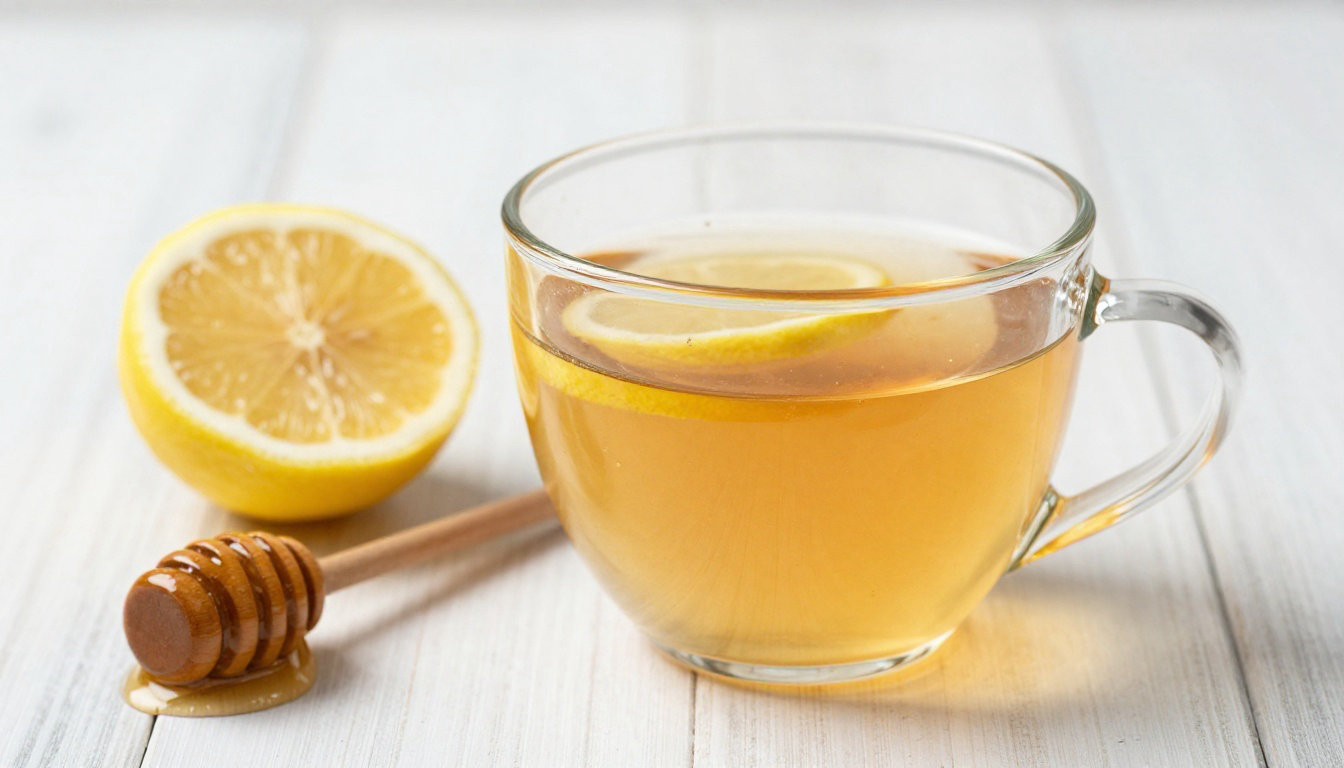
Take these natural remedies before bedtime. They promote better sleep by calming persistent irritation.
Practical Habits For A Smooth Recovery At Home
Nutrition sets the stage, but your daily environment and long-term habits determine how quickly you return to your normal life.
Creating a recovery-friendly home environment
Elevate the head of your bed using extra pillows. This positioning uses gravity to improve airflow and reduce pressure. It prevents mucus from pooling in the lungs overnight.
Eliminate indoor pollutants like cigarette smoke or strong cleaning scents. These irritants can trigger secondary infections or prolong inflammation. Keep the air clean and well-ventilated during the day.
Prioritize total physical rest to conserve energy for healing. Avoid any strenuous activity until your doctor clears you. It is a vital step for your safety.
| Activity | Recovery Phase | Impact on Lungs |
|---|---|---|
| Heavy Lifting (Avoid) | Early | High strain |
| Short Walks | Late Recovery | Low strain |
| Deep Breathing | Daily | Healing |
| Household Chores | Post-Recovery | Low strain |
Long-term prevention through vaccines and habits
Discuss pneumococcal and flu vaccines with your healthcare provider. These are the most effective tools for preventing recurrence. Adopt strict hand hygiene practices to stop the spread of respiratory germs. Wash your hands frequently with soap and warm water.

Strengthening lung health through gradual exercise is vital. Start with very short, slow walks. Focus on protecting children and vulnerable family members from similar respiratory risks by maintaining high hygiene standards at home.
Avoid secondary smoke at all costs. Your lungs remain vulnerable for several weeks after the initial symptoms fade away. You must be patient while incorporating home remedies for pneumonia into your lifestyle.
Effective recovery relies on medical treatment paired with oxygen monitoring and protein-rich nutrition. Integrating these home remedies for pneumonia alongside prescribed antibiotics ensures tissue repair and clearer airways. Prioritize rest and hydration now to restore your lung health and return to a vibrant, active life soon.