The Hatha Yoga Pradipika, a foundational text dating back over 500 years, identifies Mayurasana as a premier practice. This advanced arm balance requires significant strength in the wrists and core to suspend the body horizontally. Many practitioners struggle to maintain this lever due to the intense pressure on the forearms or a shifting center of gravity. The peacock pose remains a difficult milestone that demands both physical power and precise anatomical alignment.
This article provides a detailed breakdown of the mechanics and preparatory drills necessary to master the balance. We will examine the technical cues for elbow placement and safe progression to help you build a stable and sustainable practice.
- The Mechanics and Power of Mayurasana
- Foundation Drills for Wrist and Arm Stability
- Technical Cues for a Successful Balance
- Anatomical Nuances and Safe Progression
The Mechanics and Power of Mayurasana
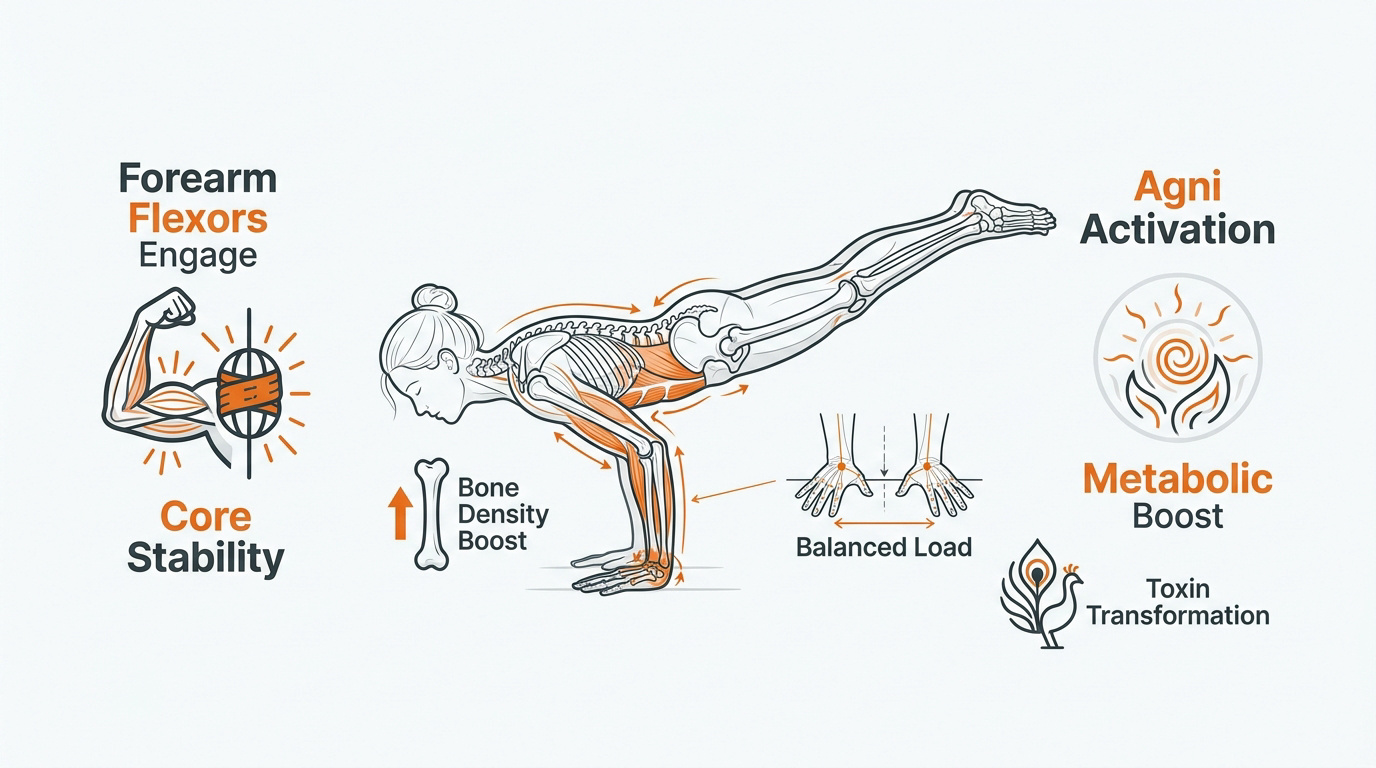
Mayurasana, or Peacock Pose, demands intense forearm strength and core stability to balance the torso horizontally on the elbows. This advanced asana stimulates Agni (digestive fire), detoxifies internal organs, and builds significant bone density in the wrist complex.
Mayurasana: An advanced Sanskrit arm-balance where the body is held horizontally like a plank on the elbows.
The structural demands on the wrists and the engagement of the forearms serve as the foundation for this powerful movement.
Strengthening the Core and Wrist Complex
Forearms engage intensely to stabilize the base. Flexor muscles maintain the horizontal position. This tension prevents elbows from sliding outward.
The core stays rigid to support the legs. This pressure builds wrist bone density. The body acts as a lever to distribute weight effectively.
Proper weight shifting ensures safety. Wrists are strengthened by the load without being overloaded. Precise alignment protects the joints.
Symbolic Significance and the Digestive Fire
Mayurasana stimulates metabolism through Agni. It mimics the peacock’s ability to consume venom. This represents mastery over internal toxins.
The peacock symbolizes immortality. Legend links it to Shiva, representing the transformation of toxins into beauty and health.
Pressure on the navel clears the digestive tract. This compression tonifies the liver and stomach. It remains a tool for deep internal cleansing.
Foundation Drills for Wrist and Arm Stability
Success in the peacock pose is built through specific conditioning of the joints and muscles that carry your entire weight. Transitioning to this advanced balance requires a solid physical base and targeted preparation.
Targeted Exercises for Wrist Flexors and Extensors
Focus on wrist pulses. These movements increase joint resilience. They prepare the tissue for the intense flexion required in the final pose.
Describe stretches for the extensors. Range of motion is vital for horizontal balancing. Without flexibility, the wrists will feel sharp pain during the lift.
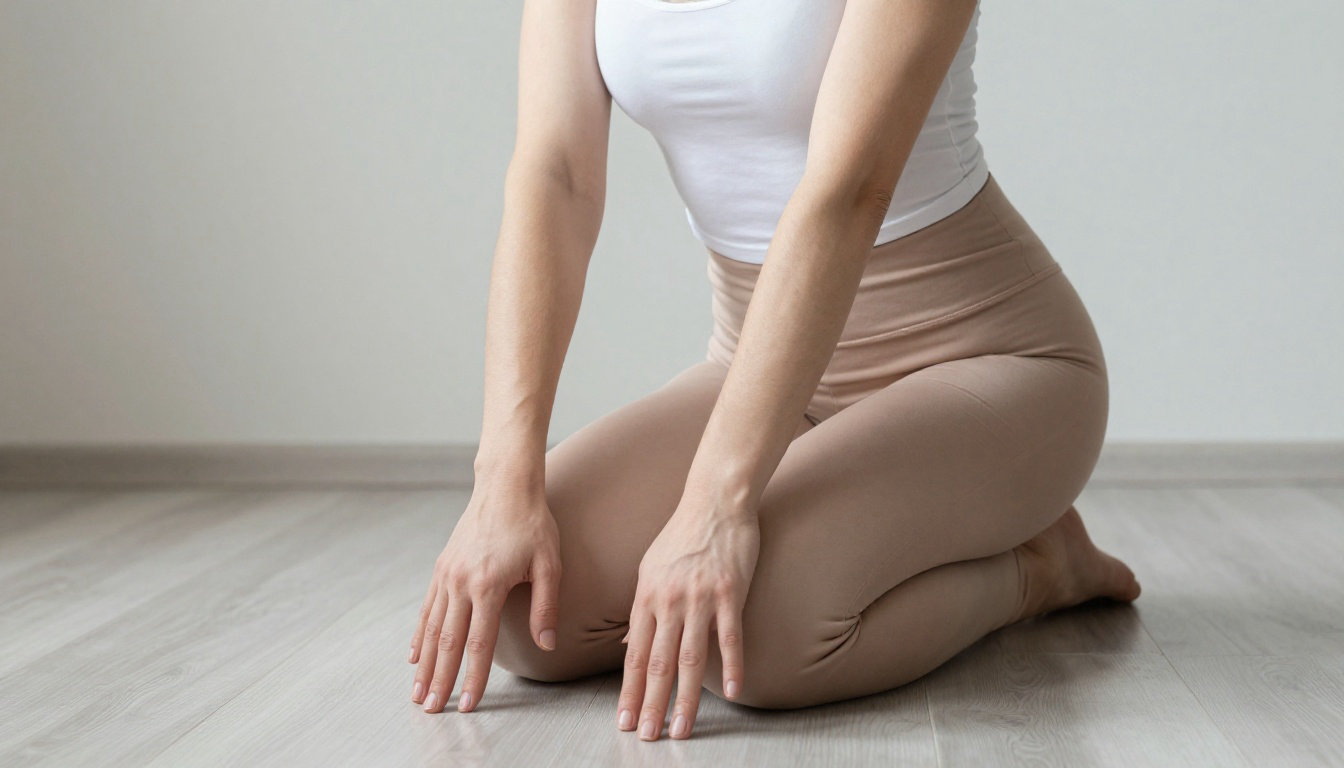
Combine strength and mobility. Use a dynamic drill like “wrist push-ups” on the knees. This builds the specific endurance needed for arm balances.
- Wrist circles for mobility
- Reverse hand stretches on all fours
- Finger pulses to activate
- Wrist pulses for joint resilience.
- Reverse hand stretches on all fours.
- Finger pulses to activate palms.
- Wrist push-ups for endurance.
Preparatory Poses to Develop Upper Body Strength
Use Plank and Crow pose. These build essential arm endurance. Crow pose specifically teaches the forward lean. This lean is the precursor to lifting the legs in Mayurasana.
Practice Cat pose for spinal protraction. Doming the upper back is necessary. It creates the space for your elbows to tuck into the abdomen deeply.
Integrate these into a flow. Consistent practice of these basics makes the advanced balance feel much lighter and more controlled.
Technical Cues for a Successful Balance
Mastering the peacock pose requires a precise shift in your body’s geometry. Creating a stable internal shelf through alignment is the secret to a controlled lift.
Alignment for Elbow Placement and Spinal Flexion
Focus on the “doming” of your back during setup. This spinal flexion creates essential space for comfort. It prevents elbows from slipping off the ribs.
Position your elbows very close together near the navel. This proximity builds a vital, solid foundation. It creates a tripod-like base for your weight.
Rotate your hands so fingers point back toward the feet. This orientation is required for the shelf. It allows elbows to support the torso effectively.
Troubleshooting the Lift and Finding the Drishti
Heavy legs usually mean the head is too low. Lean forward more than you think to find the fulcrum. This shift eventually lightens the lower body.
Define your drishti by looking forward on the floor. A forward gaze shifts the center of gravity toward the hands. This helps legs rise naturally without straining.
If legs feel heavy, lean forward. Use a forward drishti to shift your center of gravity and find the lift.
Maintain patience during this delicate process. Balance is a constant conversation between front and back. Keep adjusting the lean until you find stillness.
Anatomical Nuances and Safe Progression
Mastering the peacock pose requires a deep understanding of your unique body mechanics and balance points.
Center of Gravity Differences Between Genders
Analyze hip-heavy anatomy. Women often have a lower center of gravity. This makes standard elbow placement challenging for a horizontal lift.
Shifting elbows lower or wider can help. Using blocks under hands provides extra height. This creates space for the legs to clear the floor.
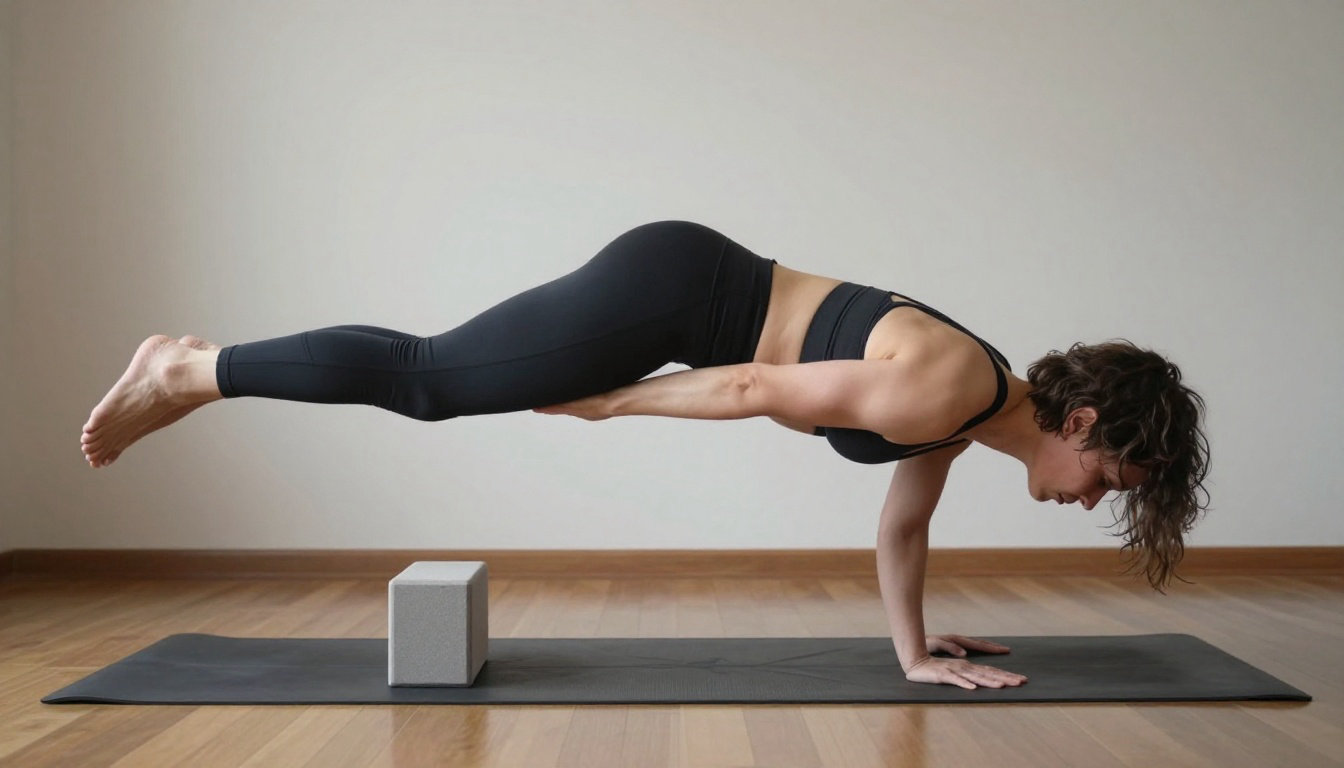
Respect individual mechanics. Every body finds balance at a different angle.
| Anatomical Factor | Men | Women | Adjustment Tip |
|---|---|---|---|
| Center of Gravity | Higher | Lower | Shift elbows toward the navel. |
| Shoulder Width | Broader | Narrower | Keep elbows tight to the ribs. |
| Hip Density | Lower mass | Higher mass | Use blocks for leg clearance. |
Safe Recovery and Counter-poses for the Spine
Recommend Child’s pose for recovery. This releases the back after intense compression. Follow with wrist circles to soothe joints.
Provide advice on falling safely. Tuck your chin if you lose balance. It is better to land on your forehead than your teeth.
Include safety warnings. Avoid this pose during pregnancy or high blood pressure. Consult these contraindications and benefits for a safe practice.
Contraindications: Avoid if pregnant, hypertensive, or injured. Safety: Tuck chin to land on your forehead.
Mastering Mayurasana demands core stability, wrist resilience, and metabolic fire. By integrating preparatory drills and mindful alignment, you will soon transform physical toxins into balanced strength. Start your journey today to unlock the profound digestive and mental clarity offered by the peacock pose.