
Ancient Indian and Egyptian civilizations already utilized specific spectral frequencies to harmonize biological systems, a practice that modern studies now associate with blood pressure reductions of 10 to 30 mmHg. Despite its historical roots, many people struggle to find effective ways to manage daily stress and emotional imbalances through non invasive methods.
This article examines the principles of chromotherapy and explores how specific light wavelengths interact with cellular energy to improve your physical and mental well being. We will analyze the practical applications of this method to help you integrate color balance into your lifestyle.
- Understanding Chromotherapy and Its Core Principles
- Historical Roots and Cultural Evolution of Color Healing
- 3 Ways Specific Colors Affect Your Mental State
- Practical Methods for Integrating Color Therapy at Home
- Is Chromotherapy Backed by Modern Science?
- Safety Guidelines and Responsible Use of Light Therapy
Understanding Chromotherapy and Its Core Principles
Chromotherapy uses visible light wavelengths to influence biological systems, notably via cytochrome c oxidase in mitochondria. Ancient Indian and Egyptian practices align with modern studies showing blood pressure reductions of 10-30 mmHg through specific spectral frequencies.
Greek origin: chroma (color) and therapeia (heal). Definition: A practice using colored light to influence the body and mind through specific vibrations.
The last fact regarding spectral frequencies leads directly into the physics of light discussed in the first subsection.
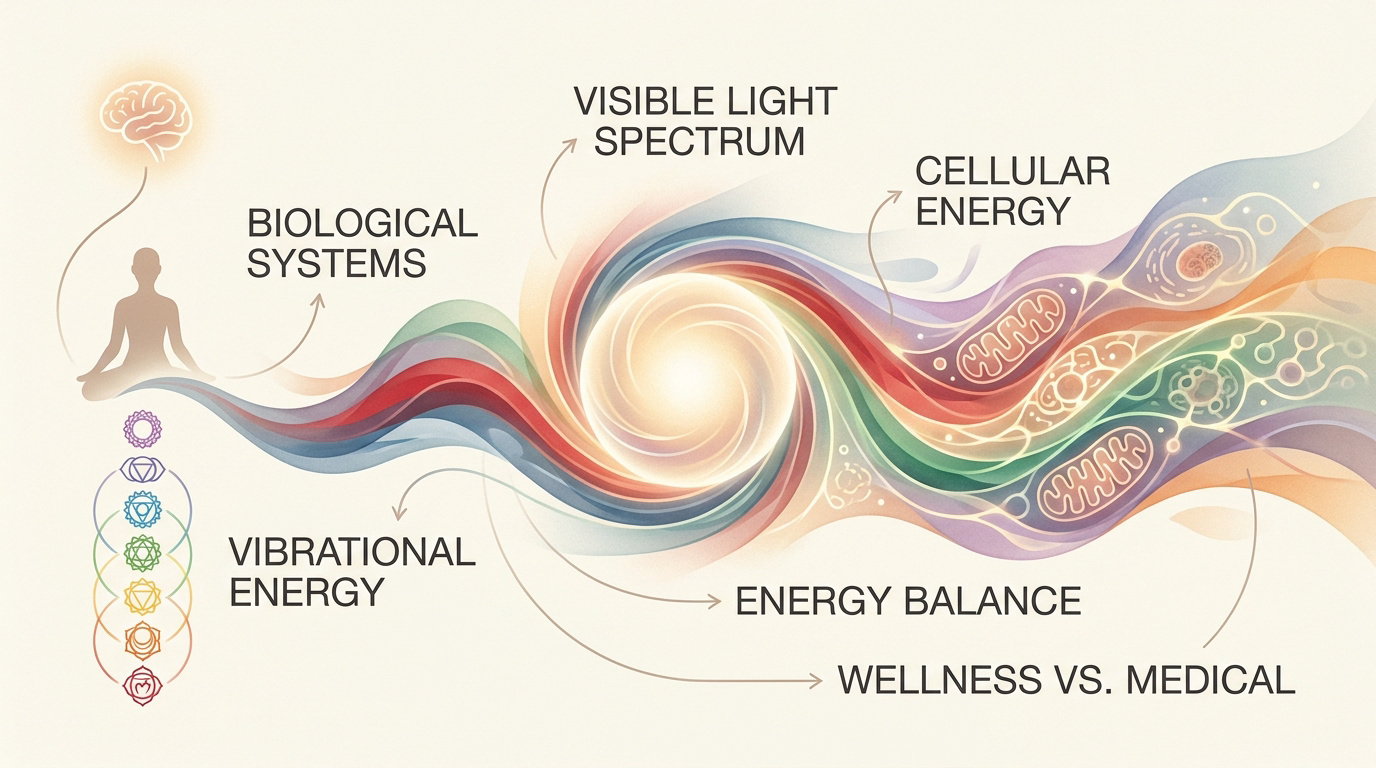
Visible Light Spectrum and Human Biology
Light is electromagnetic radiation. Each color in the spectrum has a specific frequency. These waves penetrate the skin at different depths.
Photoreceptors in the eye process these signals. They convert light into neural impulses. These signals reach the hypothalamus. This brain region governs many involuntary biological functions.
Frequencies trigger specific cellular responses. Light interacts with mitochondria to boost energy production. This process supports overall metabolic activity.
The Concept of Vibrational Energy and Balance
Vibrational energy theory suggests every organ has a natural frequency. Disease is viewed as a disruption of this harmony. Practitioners aim to restore this balance.
Specific hues link to the seven chakras. For instance, red relates to the root chakra. Blue is often associated with the throat area. Practitioners use color to unblock these centers.
The goal is total restoration. Balancing these energies aims to improve spiritual well-being.
Difference Between Wellness Color Use and Medical Phototherapy
Distinguishing between holistic and clinical methods is vital. Clinical phototherapy uses high-intensity UV or blue light. It targets specific medical conditions like neonatal jaundice.
Wellness applications have a different scope. Chromotherapy is generally non-invasive and supportive. It focuses on mood and relaxation rather than curing pathology.
Research confirms that chromotherapy is distinct from photobiomodulation as it uses only the visible spectrum. It lacks the high power density of clinical lasers.
Historical Roots and Cultural Evolution of Color Healing
While modern science seeks mechanisms, the fascination with light’s healing power dates back to the dawn of civilization.
Ancient Egyptian and Greek Light Chambers
Ancient Egyptians built healing temples in Heliopolis to harness solar energy. They used specialized prisms to bathe patients in specific colors of the light spectrum. They believed these rays cured ailments.
Greeks utilized colored crystals to filter sunlight for therapeutic purposes. Later, physicians like Avicenna expanded these theories significantly. They categorized various colors based on their specific thermal and physical properties.
Early symbolic meanings deeply influenced these ancient practices. Red was frequently linked to the heat of blood and fire. Blue represented the cool, infinite sky. These associations still influence us today.
Traditional Chinese Medicine and Ayurvedic Perspectives
In Ayurveda, color plays a vital role in maintaining health. Practitioners use specific hues to balance the three doshas. Proper color exposure effectively maintains the body’s vital breath and energy.
Chinese medicine links color theory directly to the five elements. Each element has a corresponding hue that governs internal organs. Green relates to the liver and wood. Red is tied to the heart.
Ancient diagnostic tools relied heavily on visual cues. Physicians observed skin and tongue color to find internal imbalances.
The Modern Shift Toward Alternative Wellness Practices
The 19th century saw a major resurgence in light research. Modern initiatives like the CHROMOCURE project explore how 19th-century thinkers viewed color. This historical perspective informs current chromotherapy.
Key modern figures shaped the current wellness landscape. Edwin Babbitt and Augustus Pleasanton published highly influential works. They popularized the therapeutic use of blue and red light for patients.

Color therapy is now a staple in luxury wellness centers. It offers a necessary sensory escape from digital life. Many seek these vibrations for relaxation.
3 Ways Specific Colors Affect Your Mental State
Understanding history is one thing, but how do these colors actually make you feel right now? The principles of chromotherapy suggest that our surroundings send constant biochemical messages to our nervous system.
Warm Tones for Stimulation and Vitality
Examine the impact of red and orange. These colors often trigger a physical response. They can slightly raise your heart rate.
Yellow is frequently used for cognitive focus. It is thought to stimulate the nervous system. Many people use it to improve concentration. It brings a sense of optimism to a room.
Warm hues naturally connect to alertness. These colors are ideal for active spaces. They encourage movement and social interaction.
Cool Hues for Relaxation and Stress Reduction
Analyze blue and green properties. Blue is widely recognized for its calming effect. Green evokes the tranquility of nature.
| Color | Intended Effect | Best Room | Psychological Link |
|---|---|---|---|
| Red | Vitality | Gym/Studio | Physical response |
| Blue | Calm | Bedroom | Relaxation |
| Yellow | Focus | Office | Cognitive stimulation |
| Green | Balance | Living Room | Nature/Tranquility |
Violet is effective for sleep quality. It is often used in bedrooms to soothe the mind. It helps transition into deep rest.
The Impact of Environment on Mood and Productivity
Office design plays a major role. Neutral walls with bright accents can boost morale. Too much gray often leads to fatigue.
Consistent color palettes reduce visual clutter. This helps the brain stay calm and organized. It prevents sensory overload in busy environments. Emotional stability is often reinforced.
Managing your mood is possible with small changes. Using a blue lamp during high-stress tasks can help.
Practical Methods for Integrating Color Therapy at Home
You don’t need a high-tech lab to experiment; your own living room is the perfect starting point.
Using LED Lights and Colored Filters Safely
Modern LED setups allow for seamless hue adjustments directly through your smartphone. These smart bulbs enable you to schedule specific colors that align with your daily routine and needs.
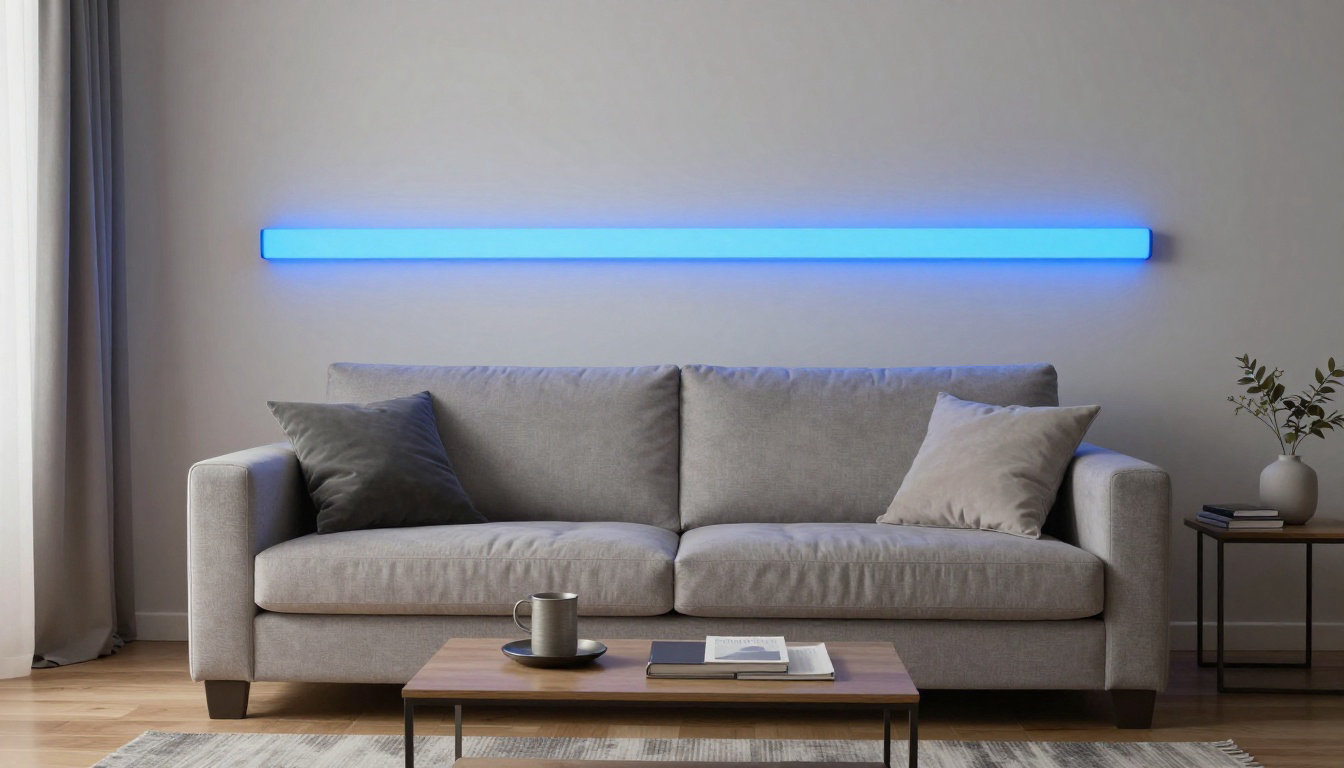
Some individuals opt for tinted therapy glasses to filter light entering the eye. This method serves as a portable way to change your perspective during short, controlled periods of wear.
Dimmer settings are preferable when seeking relaxation. Conversely, bright lights should be utilized sparingly to avoid overstimulation.
Color Visualization and Meditative Practices
Mental projection involves closing your eyes to imagine a specific color vividly. You should focus on the sensation of this light filling your body with warmth or coolness.
Combining deep breathing with color focus enhances the experience. Inhale the chosen light while exhaling tension or gray energy to deepen your meditative state and improve mental clarity.
Selecting the right shade depends on your immediate goal:
- Focus on red for physical energy.
- Use green for heart-centered peace.
- Choose blue for enhanced mental clarity.
Interior Design Choices for Psychological Well-being
Room schemes should reflect the intended use of the space. Soft blues in the bedroom promote better sleep, while kitchens benefit from social yellows or energetic oranges.
Color bathing is an effective ritual involving waterproof LED lights in the shower. This turns a daily routine into a therapeutic experience as the water carries colored light across the skin.
Balance vibrant and neutral tones carefully. Avoid overusing a single bright color.
Is Chromotherapy Backed by Modern Science?
While personal anecdotes abound, we must look at what the data actually says about light and our bodies.
WHO status: Listed as an alternative/complementary therapy since 1976. Medical status: Not recognized as conventional medicine in many regions like France.
Circadian Rhythm Regulation and Hormonal Responses
Blue light significantly impacts melatonin production. It signals the brain to stop producing sleep hormones. This is why screens keep us awake at night.
Seasonal Affective Disorder (SAD) is treated with bright white or blue-enriched light. This light mimics the sun to regulate the endocrine system. It is a widely accepted medical application.
Timing light exposure stabilizes cortisol levels. This improves daily energy and focus.
Medical Skepticism and the Lack of Consensus
Many doctors view therapeutic color claims as a pseudoscience. They argue that physical cures lack rigorous clinical proof. Skepticism remains high regarding non-visual effects.
The placebo effect is often cited by critics. However, some studies on hypertension and chromotherapy show measurable physical changes. The debate remains active in scientific circles.
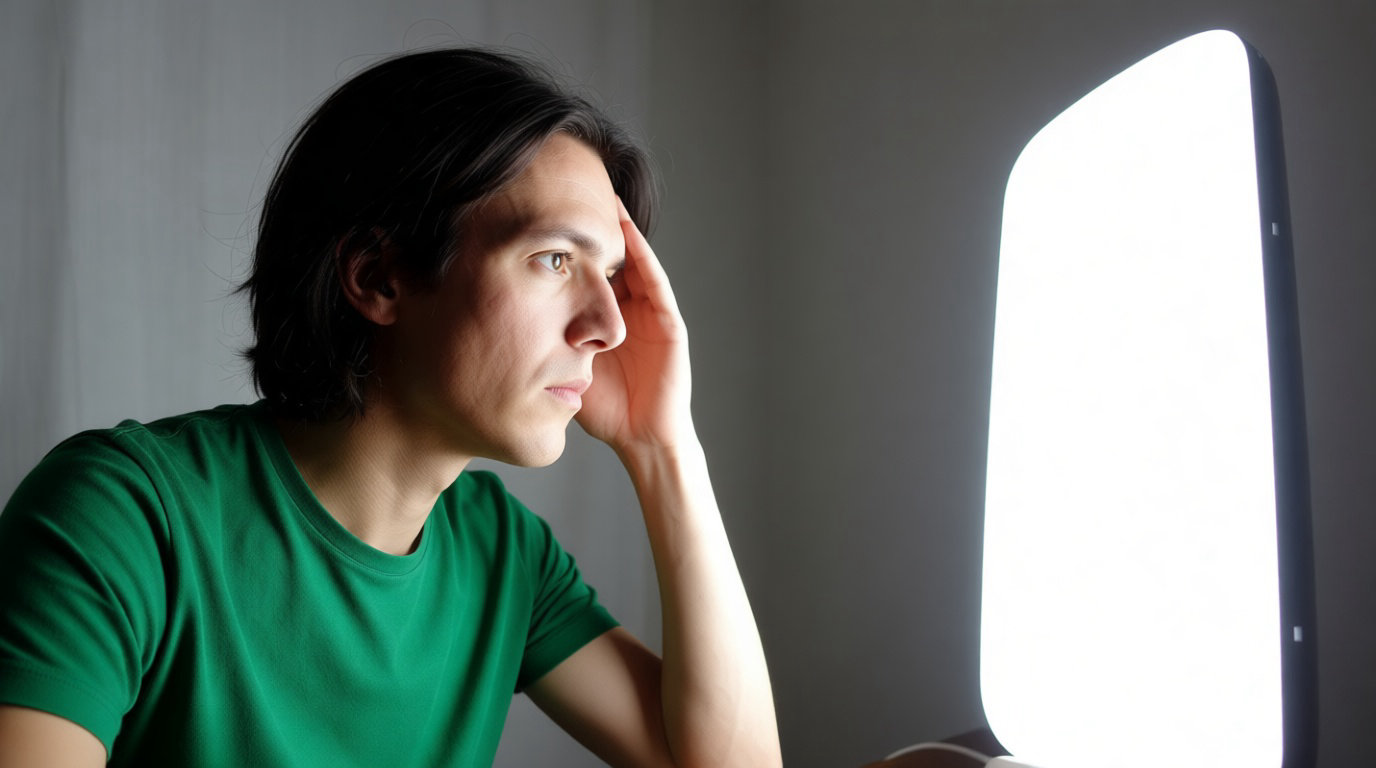
Large-scale, double-blind trials are still quite rare. Most findings come from smaller pilot studies.
Evidence-Based Photobiology vs Alternative Claims
Hospitals use specific blue frequencies for infants with jaundice. This is a proven, biochemical reaction. It is distinct from general wellness practices.
Narrow-band UVB is used for psoriasis treatments. This is strictly controlled medical phototherapy. It differs from simply sitting in a room with colored lights.
Avoid claims that chromotherapy replaces surgery. It is not a substitute for medication.
Safety Guidelines and Responsible Use of Light Therapy
Before you start your own color journey, a few safety precautions are absolutely necessary.
Potential Risks of LED Exposure and Eye Health
Blue light poses specific dangers to your vision. Excessive exposure can damage retinal cells over time. It is not just about sleep disruption.
Protecting your retina is a priority. Never stare directly into high-intensity LED sources. Use diffused light or bounce it off walls. This reduces the risk of thermal injury.
Follow strict exposure recommendations for safety. Limit sessions to 20 or 30 minutes. Always listen to your body’s signals.
For chromotherapy, choosing devices with diffused light is better for your eyes than direct, high-energy beams.
Contraindications for Specific Health Conditions
It is vital to identify risks for epilepsy. Pulsing or flashing lights can trigger seizures. Always use steady, non-flickering light sources.
Consider the impact on migraines and pacemakers. Bright colors can sometimes worsen a headache. Some high-frequency electronic devices might interfere with medical implants. Consult your doctor if you have any concerns.
Avoid the danger of delay. Never use color therapy to postpone seeing a doctor.
Epilepsy risk (flickering lights), migraine triggers, and the essential rule: never use color therapy to delay or replace professional medical consultation for serious illnesses.
Complementary Use vs Professional Medical Advice
Always emphasize the supportive role of this practice. Color is a tool for wellness, not a cure. It works best alongside healthy lifestyle choices.
Clarify the limits regarding a primary cure. It will not fix a broken bone or infection. Use it to manage stress and improve mood.
To ensure a safe experience, keep these guidelines in mind:
- Consult a physician for chronic issues
- color as a secondary relaxation tool
- Stop if discomfort occurs
By leveraging specific light frequencies to optimize mitochondrial function and emotional equilibrium, color healing offers a powerful path to revitalization. Integrate these vibrant wavelengths into your daily environment now to secure lasting mental clarity and physical harmony. Your journey toward a balanced, high-energy future starts with the simple flip of a switch.