
The global yoga mat market is projected to reach several billion dollars as practitioners increasingly prioritize joint health and long-term comfort. However, many individuals frequently experience persistent knee pain or wrist strain due to inadequate cushioning during their floor-based routines.
This article provides a detailed analysis of the best options available to help you select a yoga mat that perfectly aligns with your physical requirements and practice style. We will examine technical specifications and maintenance tips to ensure your equipment remains both hygienic and supportive over time.
- Selecting a Yoga Mat Based on Your Physical Needs
- Solana Yoga Mat for Superior Joint Cushioning
- BalanceForm Mat for Lightweight Home Practice
- Is the Umineux TPE Mat the Best for Alignment?
- Adidas Fitness Mat for High-Density Support
- Glymnis Eco-Friendly Mat for Frequent Travelers
- 3 Essential Tips for Mat Care and Accessories
Selecting a Yoga Mat Based on Your Physical Needs
High-density 6mm mats provide essential joint protection, while natural rubber offers superior grip for sweaty sessions. Choosing between closed-cell hygiene and open-cell traction defines long-term durability and practice comfort.
Selecting the right support depends on how specific dimensions influence your physical safety during movement.
Impact of Thickness on Knee and Joint Health
A 1.5mm travel mat prioritizes portability, whereas 6mm studio mats provide significant cushioning. Thinner surfaces often allow a firmer ground connection for balance.
High-density materials prevent bottoming out during lunges, shielding knees and wrists from hard floor impact. This ensures a stable foundation for the joints.
Heavier mats stay flat reliably but are harder to carry. The choice remains a trade-off between portability and personal comfort.
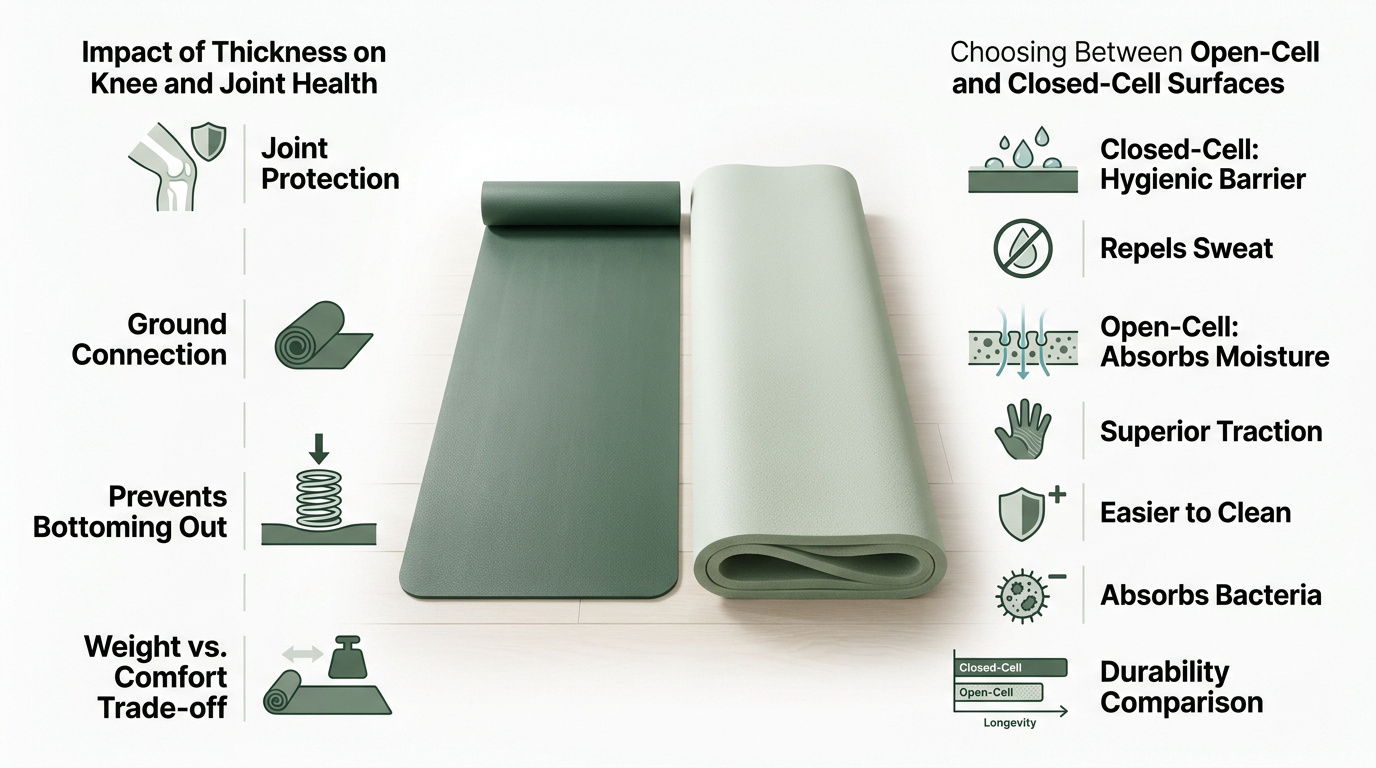
Beyond thickness, the internal structure determines how the mat reacts to moisture and bacteria.
Choosing Between Open-Cell and Closed-Cell Surfaces
Closed-cell mats act as hygienic barriers that repel sweat. They are easy to clean but can get slippery when wet. Seek expert advice on mat materials for sweaty practices for more details.
Closed-cell: Hygienic barrier, repels sweat.
Open-cell: Porous, absorbs moisture, provides suction grip.
Open-cell mats feature porous surfaces that absorb moisture, providing a suction grip during hot yoga. This prevents sliding during heavy perspiration.
Closed-cell options usually last longer as they do not trap bacteria inside the core. This density maintains structural integrity over time.
Solana Yoga Mat for Superior Joint Cushioning
Selecting the right equipment is a logical step toward a pain-free practice. The Solana mat stands out by addressing the specific physical needs of those requiring maximum impact absorption.
The Solana mat features an impressive 1/2-inch thickness. This density is ideal for practitioners with sensitive joints. It also provides excellent support for Pilates sessions.
A distinct ribbing covers the entire surface. This texture helps with traction during various poses. It ensures stability despite the mat being quite thick and soft.
The mat is crafted from high-density NBR foam. It includes a nylon strap system for easier transport. You might also explore how to use hand mudras for health and energy balance to complement the physical comfort of the mat.
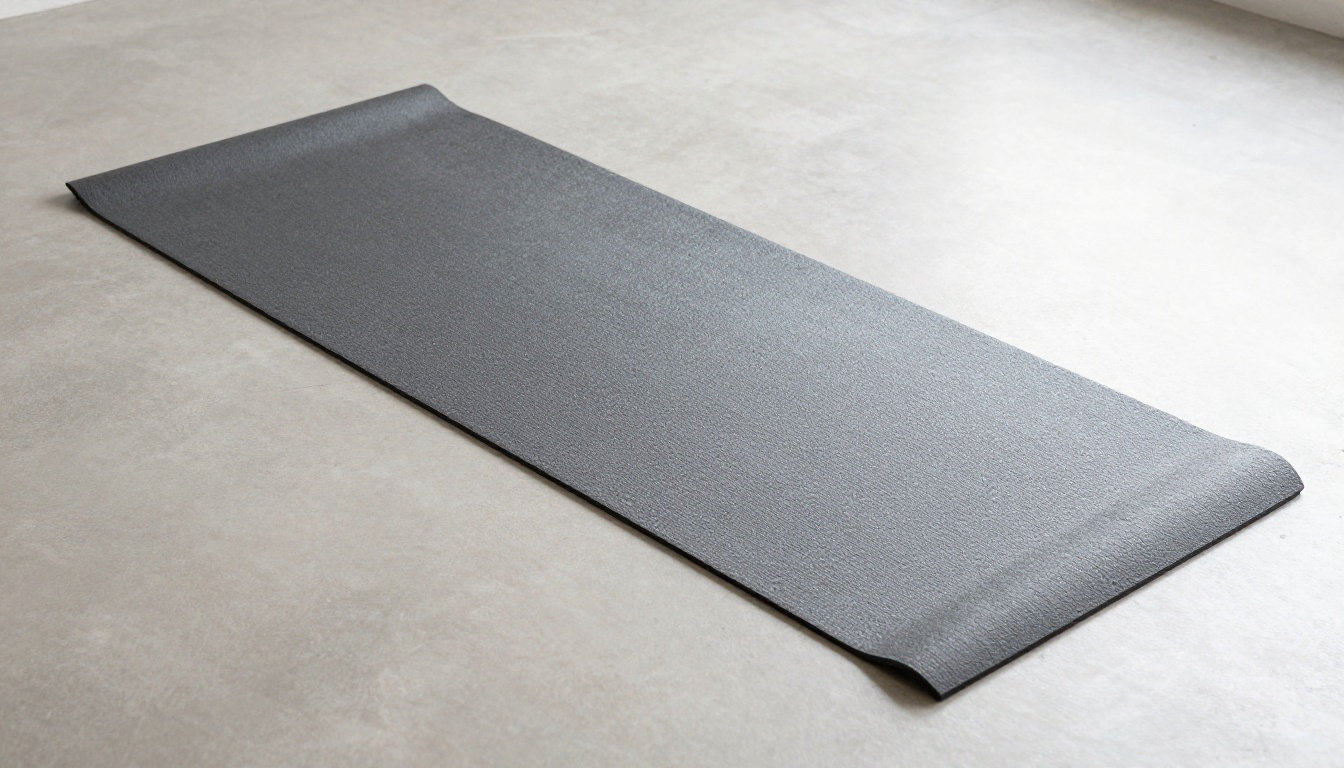
Weight is higher than standard mats (2.2 lb); ends may tend to stay curled after unrolling.
While bulky, it offers unmatched comfort for floor-based restorative poses. It effectively shields the spine and hips from hard surfaces.
BalanceForm Mat for Lightweight Home Practice
Transitioning from the ultra-thick Solana, this standard BalanceForm option offers a versatile alternative. The dual-sided non-slip surfaces provide reliable stability during various poses. It functions effectively on both hardwood floors and carpets for consistent home use.
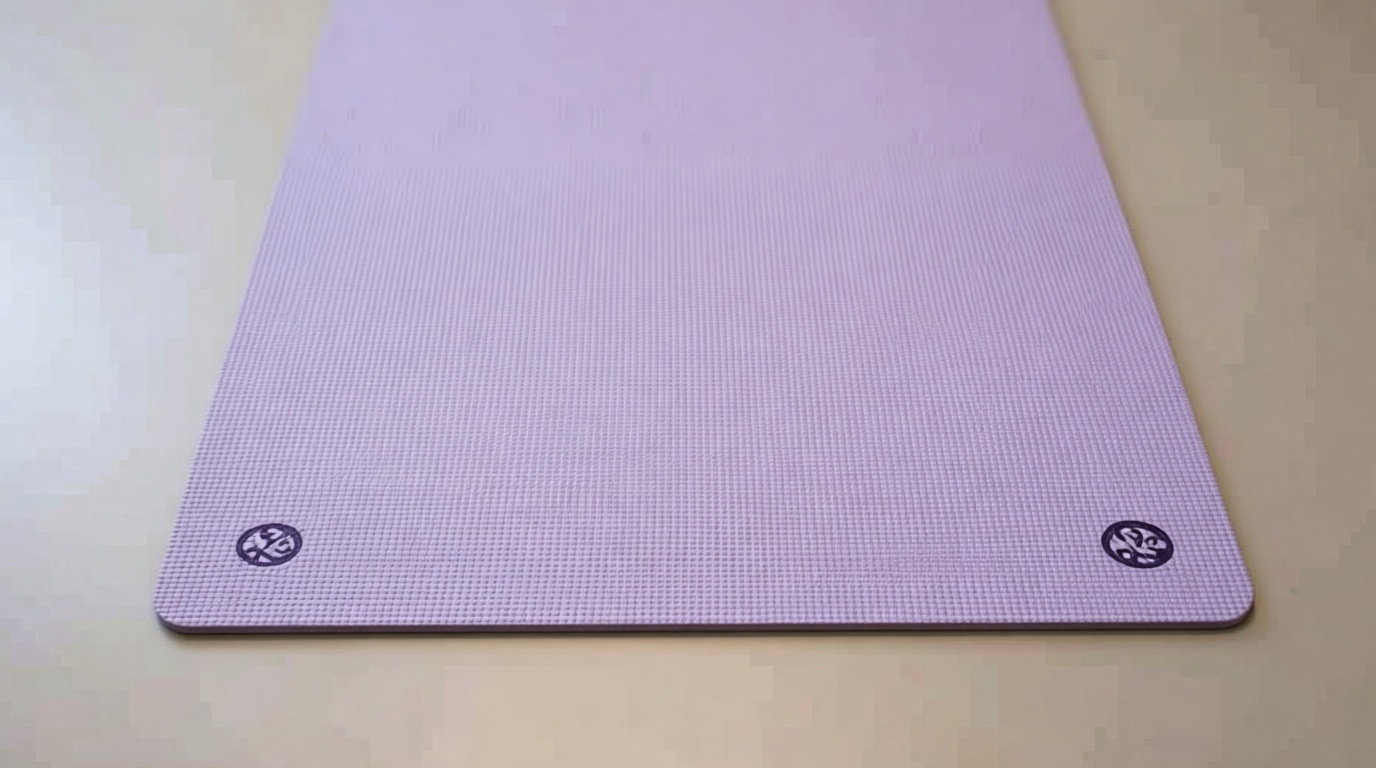
The moisture-resistant technology prevents sweat from penetrating the foam material. This feature ensures that cleaning remains a simple task after every session. A quick wipe with soap and water maintains a hygienic practice surface.
This 1.8 lb lightweight design is specifically built for easy portability. Each mat includes a free carrying strap, adding significant value for users. You can easily move your yoga mat between different rooms without any physical strain.
A stable foundation helps you focus on specific techniques for wellness. You might learn how to balance your Vata dosha with Vayu mudra to improve grounding. This combination of the right equipment and ancient practice enhances your overall home experience.
Is the Umineux TPE Mat the Best for Alignment?
Choosing the right surface often means moving beyond simple padding to look at technical precision. The Umineux mat uses TPE, a hybrid material known for being eco-friendly and odorless. It provides excellent resilience and a soft texture compared to standard PVC.
The standout feature remains the alignment system printed directly on the surface. These visual markers help beginners position their hands and feet accurately during complex flows. Such guidance improves posture and builds better body awareness over time.
| Material | Grip Level | Eco-Friendliness | Durability |
|---|---|---|---|
| PVC | High | Low | High |
| TPE | Medium | High | Medium |
| Natural Rubber | High | High | High |
| Cork | Medium | High | Medium |
This yoga mat is entirely PVC-free and contains no metallic elements. It specifically appeals to practitioners who prioritize environmentally conscious equipment.
Adidas Fitness Mat for High-Density Support
Transitioning from alignment mats to the high-density performance of Adidas offers a tactical advantage. This shift prioritizes stability and reactive support for athletic workouts.
The 7mm thickness provides a reactive base for your movements. It is firmer than the Solana but softer than standard mats. This balance protects joints without sacrificing floor feel.
The 7mm thickness provides a reactive base, which is firmer than the Solana but softer than standard mats. It features a ridged bottom design for stability during HIIT.
A ridged bottom design ensures the mat stays put during dynamic sessions. This grip is essential for high-intensity interval training involving lateral movements. You can maintain your pace with confidence.
Despite its density, the mat remains compact and portable for gym or outdoor use. The lightweight material allows for easy transport without unnecessary strain. It rolls up quickly for storage.
Fitness enthusiasts using this yoga mat can explore how to use mudra for weight gain and mass. These techniques complement physical training by focusing on internal energy during recovery sessions.
Glymnis Eco-Friendly Mat for Frequent Travelers
Move toward travel-specific solutions for yogis who are always on the go.
This yoga mat features a lightweight TPE construction. It weighs only 0.9 kg for easy transport. You can carry it long distances without experiencing shoulder strain.
The design includes a specific tear-resistant mesh layer. This internal structure improves durability during repeated use. Many users find it helpful when traveling with a yoga mat on commercial flights.
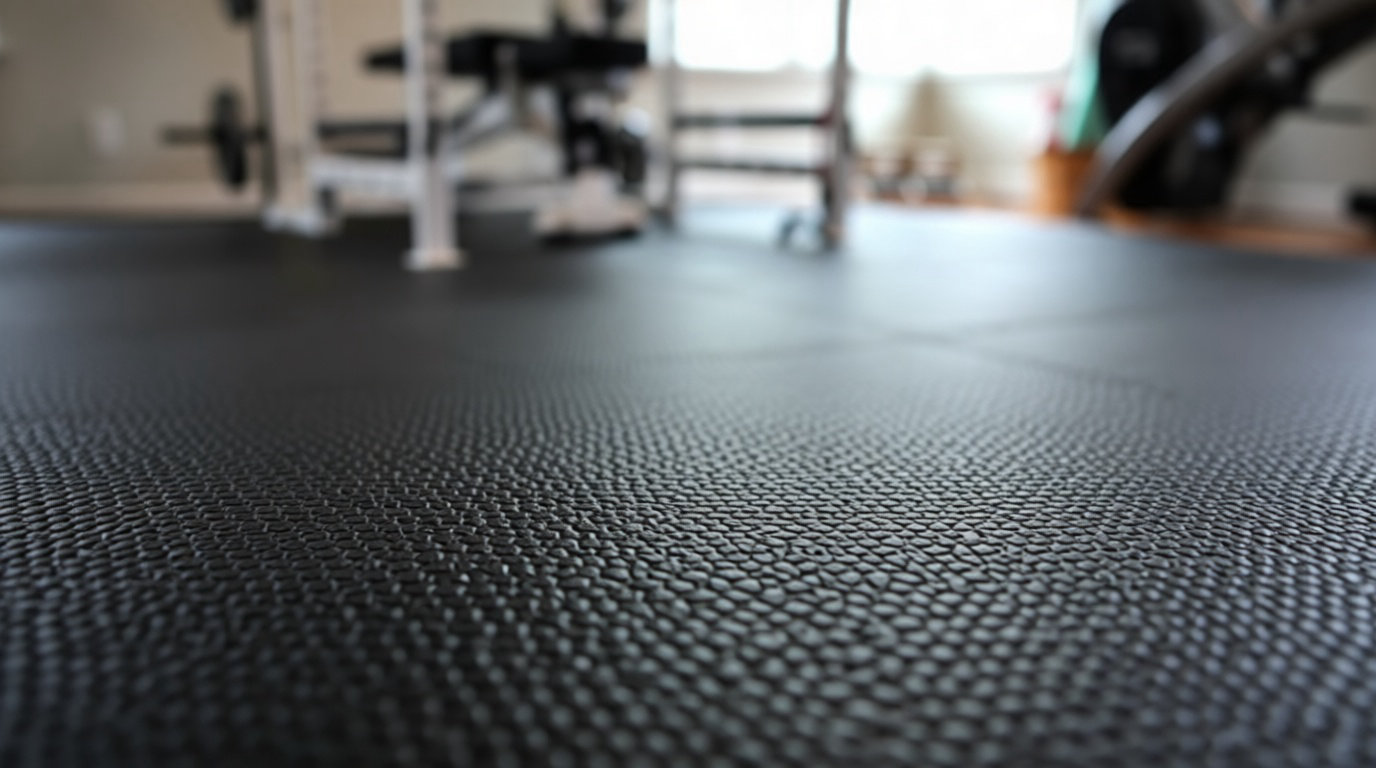
A double-sided texture provides functional grip. The bottom motifs secure the mat to the floor. Meanwhile, the top surface prevents feet from sliding during downward dog. This balance supports stability for various poses.
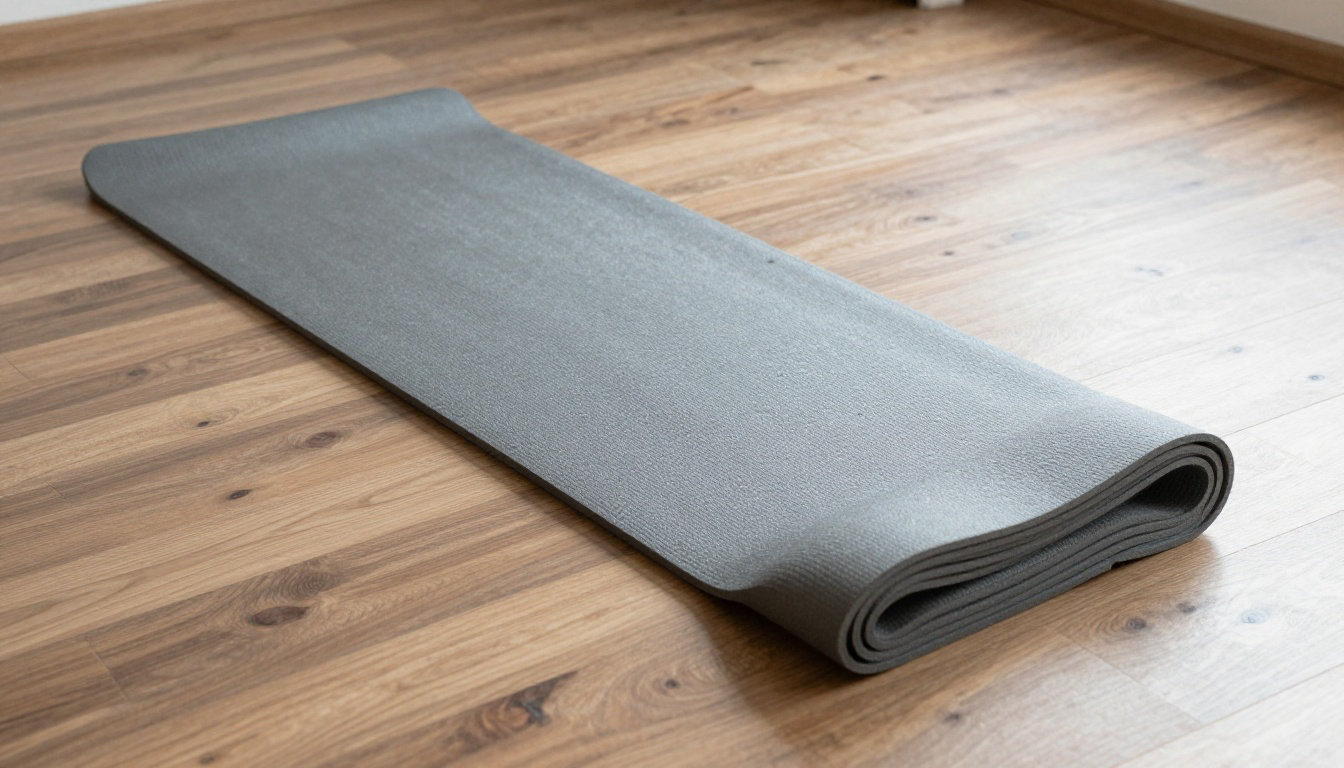
The product holds an eco-friendly certification. It is 100% recyclable and non-toxic. Travelers often select this model to reduce their carbon footprint.
3 Essential Tips for Mat Care and Accessories
Proper care preserves the grip and hygiene of your equipment. Maintaining your mat ensures a safe, durable practice over time.
Cleaning Techniques to Maintain Surface Grip
Use water and mild soap for regular maintenance. For natural rubber, a diluted vinegar solution restores the original grip effectively. These simple methods avoid harsh chemicals.
- Avoid harsh chemicals
- Never submerge in water
- Use a microfiber cloth
- Air dry away from sun
Sunlight is the enemy of natural materials. UV rays break down the molecular structure of the rubber. This causes the yoga mat to crumble eventually.
Breaking in and Storing Natural Rubber Mats
New mats often have a slippery factory film. A salt scrub removes this coating quickly. This ensures stability during your first sessions.
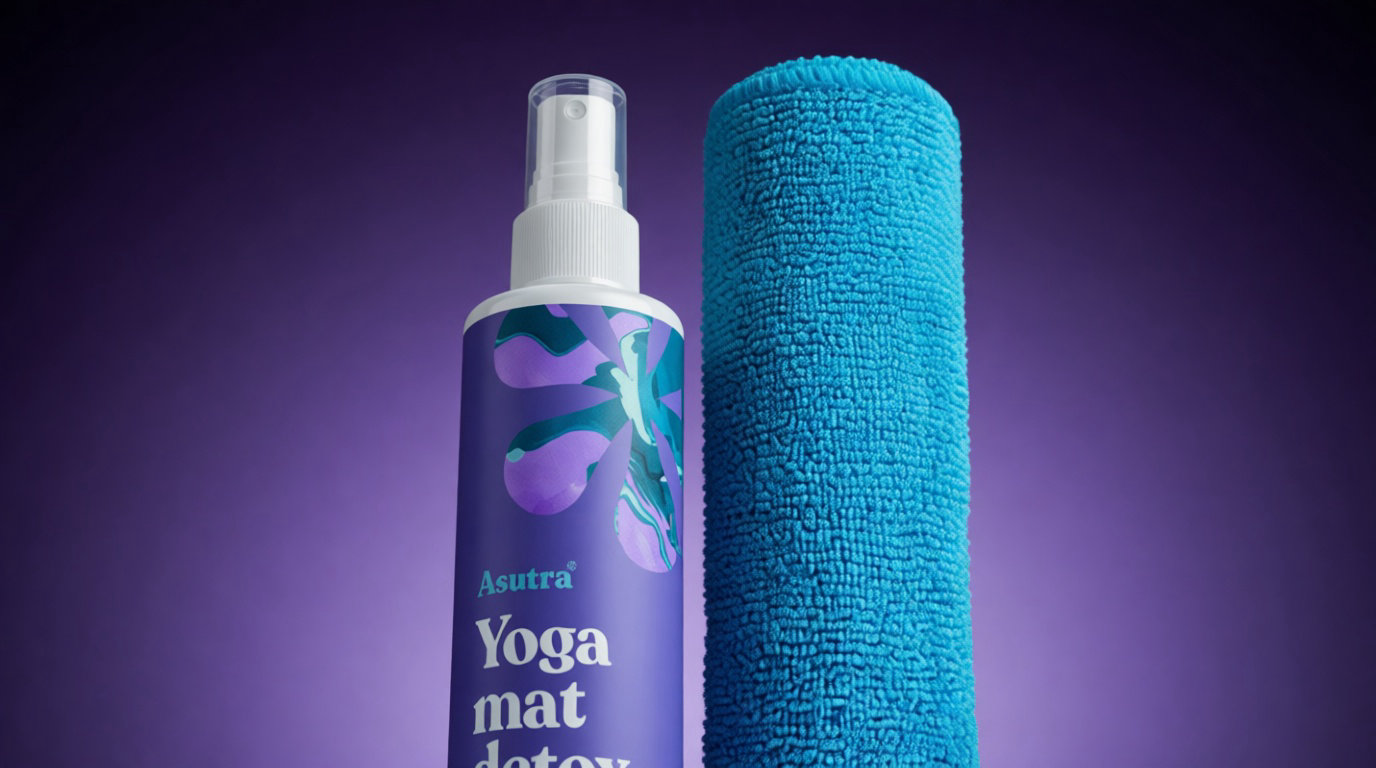
Roll your mat with the top side facing out. This prevents corners from curling during practice. See Wirecutter’s guide on mat longevity and materials.
Use a breathable bag for storage. Airflow prevents odors and mold buildup. This keeps your equipment fresh and ready.
Selecting the right yoga mat ensures optimal joint protection through high-density cushioning and reliable grip. Prioritize thickness for restorative sessions or lightweight TPE for alignment and travel. Invest in your practice today to enjoy a safer, more stable, and balanced physical journey tomorrow.