The Salamba Bhujangasana, commonly known as the sphinx pose, finds its roots in the Sanskrit words for supported cobra and serves as a foundational backbend in hatha yoga. This posture mimics the steady silhouette of the Egyptian Sphinx, offering a gentle way to strengthen the lower back while working the neck and shoulders.
Many practitioners struggle with spinal stiffness or discomfort caused by prolonged sitting in modern office environments. This article explains how to master the alignment of this restorative shape to improve your flexibility and alleviate daily physical fatigue.
- Understanding the Sphinx Pose for Spinal Health
- 4 Steps to Master Your Alignment and Form
- How the Pose Impacts Your Body and Mind
- Can Sphinx Pose Help with Lower Back Pain?
Understanding the Sphinx Pose for Spinal Health
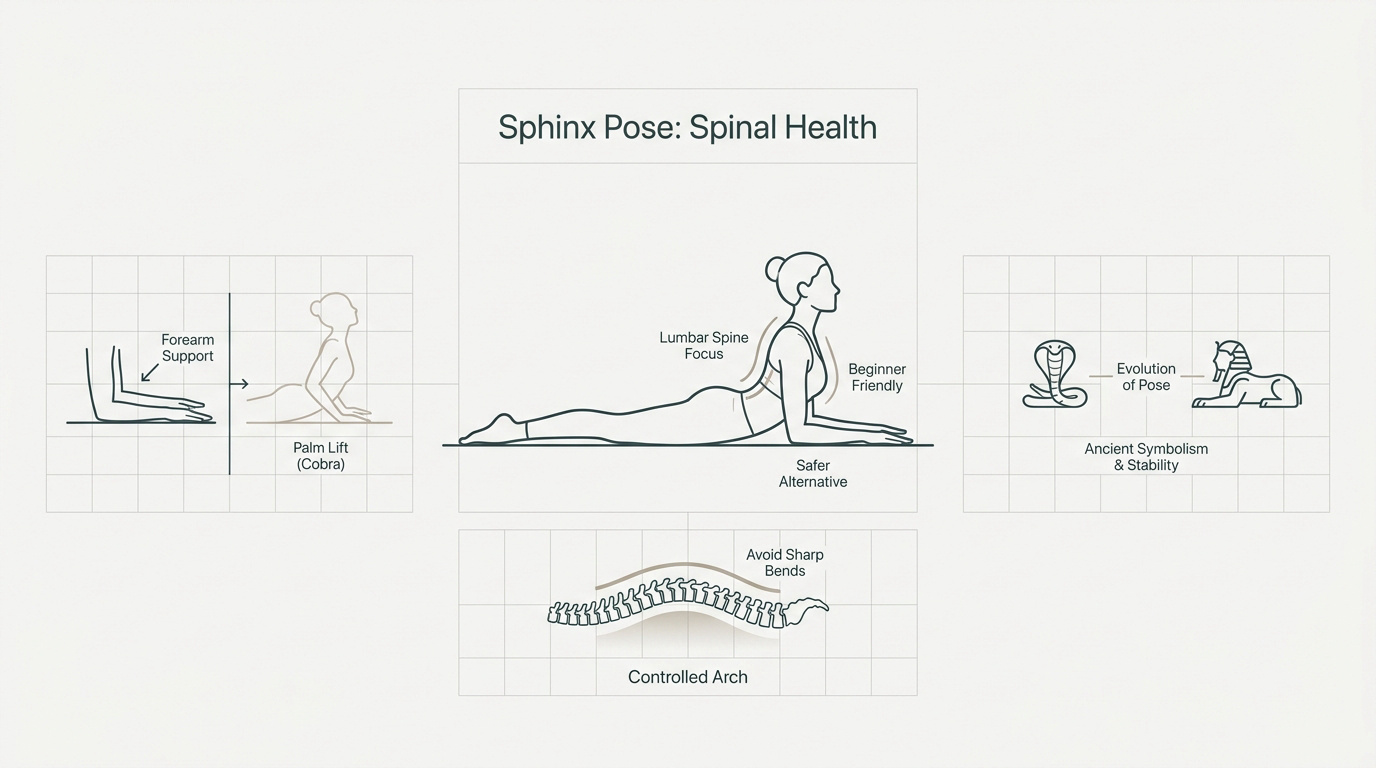
Sphinx Pose, or Salamba Bhujangasana, is a foundational hatha yoga backbend that targets the lumbar spine and psoas. This beginner-friendly posture improves spinal flexibility, stimulates abdominal organs, and offers a safer alternative to Cobra pose.
Transitioning from the general concept of spinal health, we now explore the deeper linguistic and symbolic origins of this specific posture.
History and Symbolism of Salamba Bhujangasana
The Sanskrit roots “Salamba” means supported and “Bhujanga” translates to cobra or serpent. This stillness mimics the Egyptian Sphinx. It offers a unique meditative quality during practice.
Salamba: Supported
Bhujanga: Serpent/Cobra
Asana: Posture
This shape serves as a preparatory tool in traditional hatha yoga. It is also a fundamental posture de Yin Yoga. This approach targets deep connective tissues.
It is classified as an asana. It remains a powerful meditative tool for grounding.
Why Sphinx Pose Beats Cobra for Beginners
Forearm support contrasts with the palm-based lift of Cobra. Forearms distribute weight more evenly. This reduces immediate pressure on the wrists. Novices often find the lower back feels more protected.
The fixed height of the elbows prevents over-extension. It creates a sustainable arch. This control is vital for beginners.
Safety is paramount for sensitive vertebrae. It allows for longer, mindful holds.
4 Steps to Master Your Alignment and Form
But first, you need to transition from the floor to a structured lift without straining your neck or shoulders.
Entering the Pose with Correct Elbow Placement
Start prone with legs extended. Use Cat-Cow stretches beforehand to mobilize the vertebrae. This prepares the spine for extension.
Slide elbows directly under shoulders. Keep forearms parallel like train tracks. Ensure middle fingers point straight ahead for wrist health.
Press the tops of the feet into the mat. This creates a solid anchor for the upper body lift.
Soften shoulders away from ears. Look forward with a neutral, relaxed neck.
- Preparation: Prone position with Cat-Cow prep.
- Placement: Elbows under shoulders, forearms parallel.
- Anchoring: Press tops of feet into the mat.
- Neck: Soften shoulders and neutralize the gaze.
Engaging the Legs and Glutes for Stability
Activate quadriceps to lift kneecaps slightly. Gently firm the glutes to stabilize the sacrum. This engagement prevents lower back compression while creating a balanced stretch.
Draw the navel toward the spine. This core engagement supports the lumbar region from the front.
Hold the sphinx pose for several deep breaths. Focus on expanding the chest with every inhale.
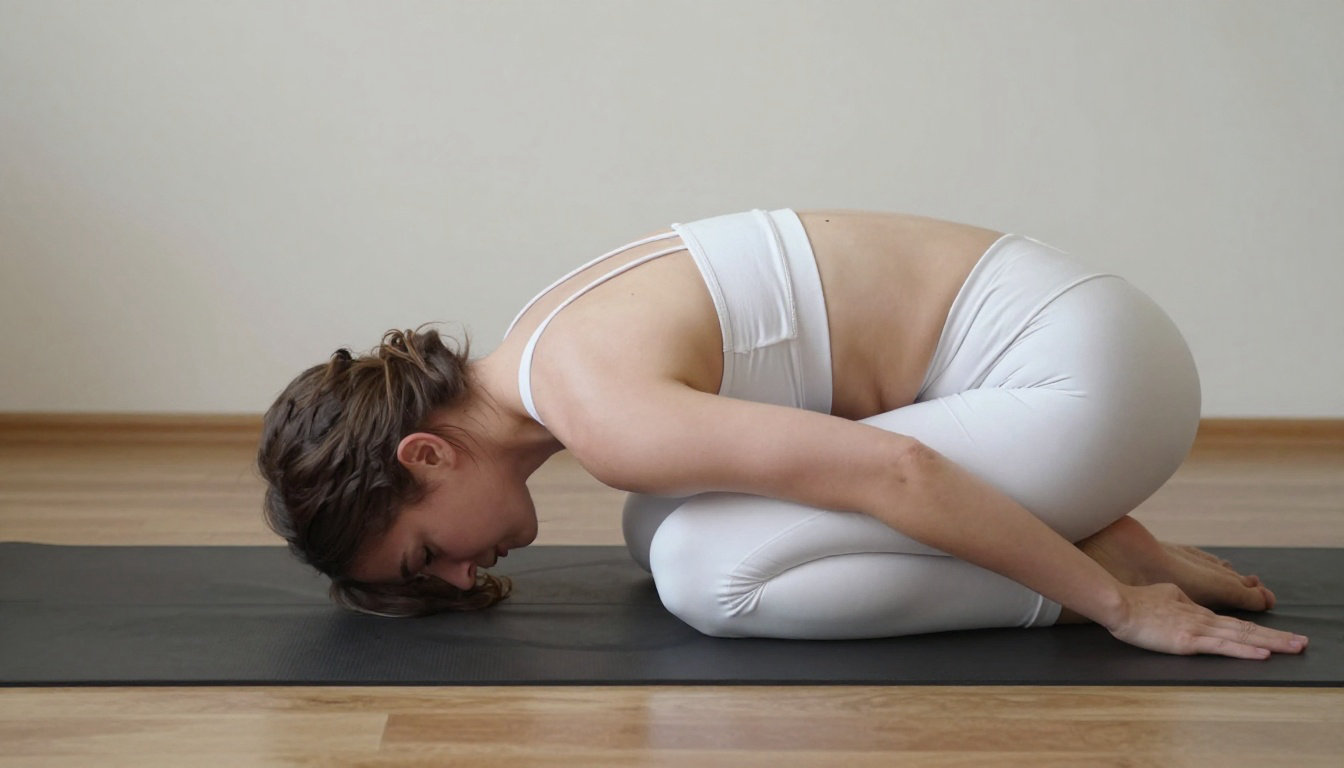
Transition into Child’s Pose afterward. This counter-stretch releases any residual tension in the back.
How the Pose Impacts Your Body and Mind
Beyond the physical shape, the internal compression and expansion trigger significant physiological and energetic shifts. This transition from static sitting to conscious extension revitalizes the entire system.
Anatomical Focus on the Psoas and Abdominal Organs
The sphinx pose stretches the psoas muscle, which often tightens from sitting. It also provides a gentle compression to the kidneys. This “squeeze and soak” effect aids detoxification.
Abdominal organs receive a soft massage. This can improve digestion and stimulate the metabolism.
Increased blood flow reaches the reproductive organs. It supports overall pelvic health and vitality.
Energetic Shifts Through Meridians and Chakras
Sphinx Pose opens the Anahata (Heart) chakra. It stimulates the stomach and spleen meridians along the front body. This helps balance emotions and improves mental clarity.
Distinguish between the active Yang approach and passive Yin. Yin involves holding for minutes with relaxed muscles.
Both methods cultivate patience and presence. They soothe the nervous system effectively.
Therapeutic Relief for Desk-Related Fatigue
Modern office work causes a chronic forward slump. This pose reverses that “C-curve” in the spine. It opens the chest and corrects rounded shoulders naturally.
Practice this before bed to release daily stress. It signals the body to enter a restful state.
- Reduced neck tension
- Improved lung capacity
- Lowered cortisol levels
- Better sleep quality
Can Sphinx Pose Help with Lower Back Pain?
Transitioning from general back health to specific applications, it is clear that while generally safe, managing specific discomfort or physical conditions requires a tailored approach to props and alignment.
Troubleshooting Discomfort and Using Props
If you feel pinching in the lower back, move your elbows forward. This reduces the angle of the backbend. You can also widen your feet to create more space in the sacrum. These small adjustments make a huge difference.
Use a bolster under the ribs for a restorative version. This allows for complete muscular relaxation.
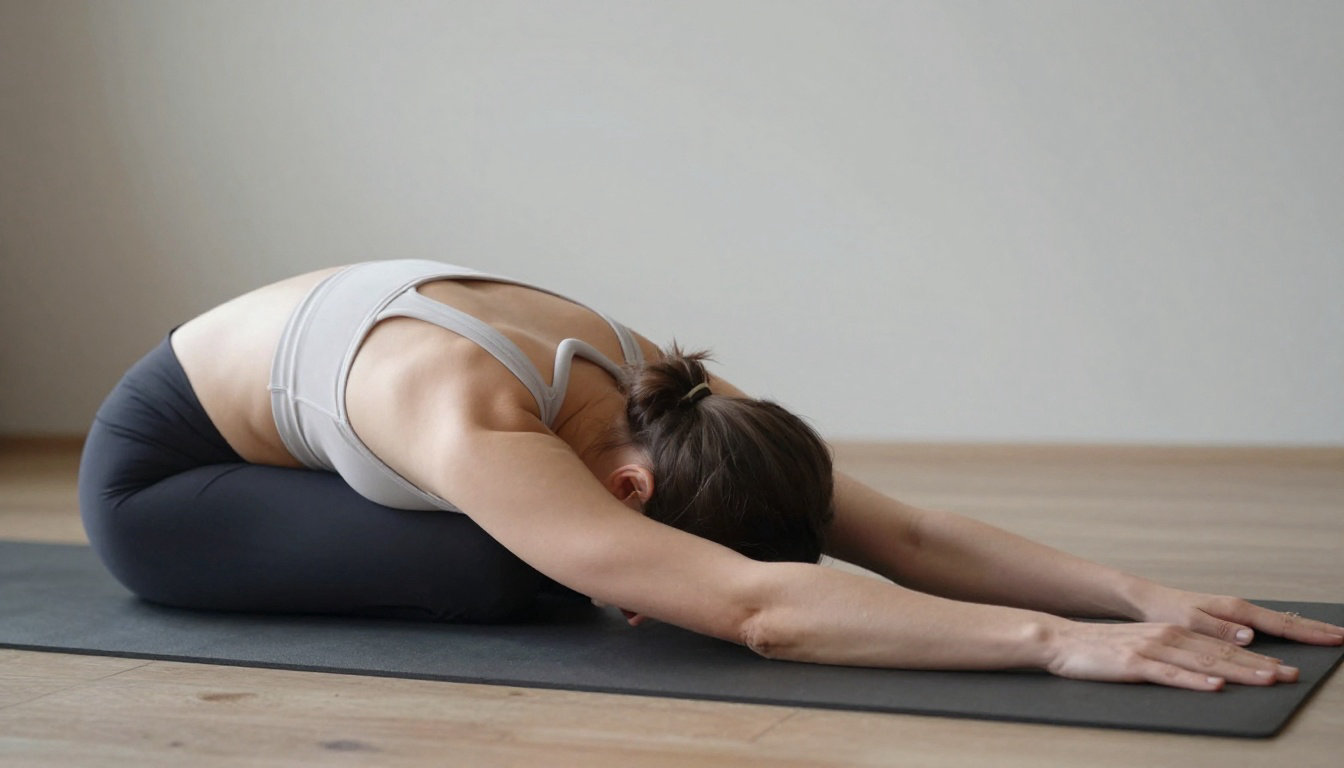
Research suggests these modifications help manage chronic low back pain effectively. Consistency remains key.
Modifications for Pregnancy and Sensitive Necks
Pregnant practitioners should use cushions to avoid direct belly pressure. Elevate the chest significantly with blankets. Always consult a doctor before starting a new prenatal routine.
For neck injuries, keep the gaze downward. Do not hang the head, but don’t lift the chin either. Maintaining a long, neutral cervical spine is the priority.
| Modification | Tool Used | Best For |
|---|---|---|
| Elbows forward | Yoga Mat | Lower Back Pinching |
| Bolsters/Cushions | Props | Pregnancy |
| Gaze down | None | Neck Strain |
| Long holds with props | Bolster | Deep Relaxation |
By mastering the Salamba Bhujangasana, you restore spinal mobility, open the heart chakra, and counteract daily desk fatigue. Incorporate this gentle backbend into your evening routine now to release accumulated stress. Consistent practice will soon yield a resilient spine and a profoundly calm, revitalized mind.